The global demand for high-performance apparel has surged as more consumers embrace active lifestyles, making the role of professional outdoor wear suppliers more critical than ever. These suppliers are the backbone of the adventure economy, transforming raw technical textiles into protective gear that allows humans to push their limits in challenging environments.
Selecting the right manufacturing partner involves more than just comparing price points; it requires an understanding of textile engineering, weatherproofing standards, and supply chain reliability. For brands looking to scale, the ability of outdoor wear suppliers to integrate advanced materials like 4-way stretch fabrics and DWR finishes determines the market success of the final product.
In an era where performance and sustainability intersect, finding experienced outdoor wear suppliers ensures that garments meet rigorous waterproof ratings and breathability standards without compromising on athletic fit or durability.

The Global Impact of Outdoor Wear Suppliers
Outdoor wear suppliers operate at the intersection of fashion and safety, providing the essential gear required for everything from professional mountaineering to urban commuting. By leveraging advanced polymer chemistry and weaving techniques, these suppliers enable the creation of garments that act as a second skin, protecting the wearer from wind, rain, and extreme temperatures.
The global influence of these manufacturers is evident in the standardization of performance metrics, such as waterproof ratings (mm) and breathability (mvp). When outdoor wear suppliers prioritize precision in these parameters, they directly contribute to the safety and comfort of millions of users worldwide, ensuring that a jacket performs as promised in a sudden storm.
Core Components of Technical Outerwear Production
The foundation of high-quality outerwear lies in the selection of the base fabric. For dynamic activities, the use of 4-way stretch material—typically a blend of polyester and elastane—is essential. This ensures that the garment can expand both horizontally and vertically, eliminating the restriction often found in traditional woven fabrics and allowing for a full range of motion.
Beyond the fabric, the construction details define the jacket's utility. Elements such as storm collars, zippered security pockets, and adjustable cuffs are not mere aesthetic choices but functional requirements. Professional suppliers ensure these components are integrated seamlessly to prevent leaks and enhance the overall athletic fit of the garment.
Finally, the production process must be supported by rigorous quality control. From the initial raw material testing to the final Pre-Production (PP) sample approval, every stage must be monitored to ensure the final bulk order matches the intended specifications, maintaining brand integrity for the client.
Understanding Weather Defense and Material Science
True weather defense is achieved through a combination of membrane technology and chemical finishes. Leading outdoor wear suppliers utilize Durable Water Repellent (DWR) coatings that cause moisture to bead up and roll off the surface, preventing the face fabric from saturating during light rain or snow.
A critical challenge for outdoor wear suppliers is balancing waterproof protection with breathability. A jacket with a 5000mm waterproof rating is excellent for shedding rain, but without a breathability rating (such as 500 mvp), the wearer would suffer from overheating due to trapped sweat vapor.
This scientific balance allows for "climate control," where the wind-resistant shell blocks chilling gusts while the breathable pores allow moisture to escape. By mastering this equilibrium, outdoor wear suppliers provide gear that is suitable for high-energy activities like hiking and climbing.
Performance Benchmarks in Textile Manufacturing
Evaluating the efficiency of different production methods is key to optimizing the investment return for apparel brands. When comparing standard jackets to high-performance softshells, the difference in flexibility and weather resistance is stark, often determining the product's market appeal and price point.
By analyzing key performance indicators, brands can see how technical specifications translate into user benefits. The following data illustrates the performance gap between generic outerwear and specialized products developed by top-tier manufacturers.
Technical Performance Rating by Manufacturing Standard
Global Applications of High-Performance Softshells
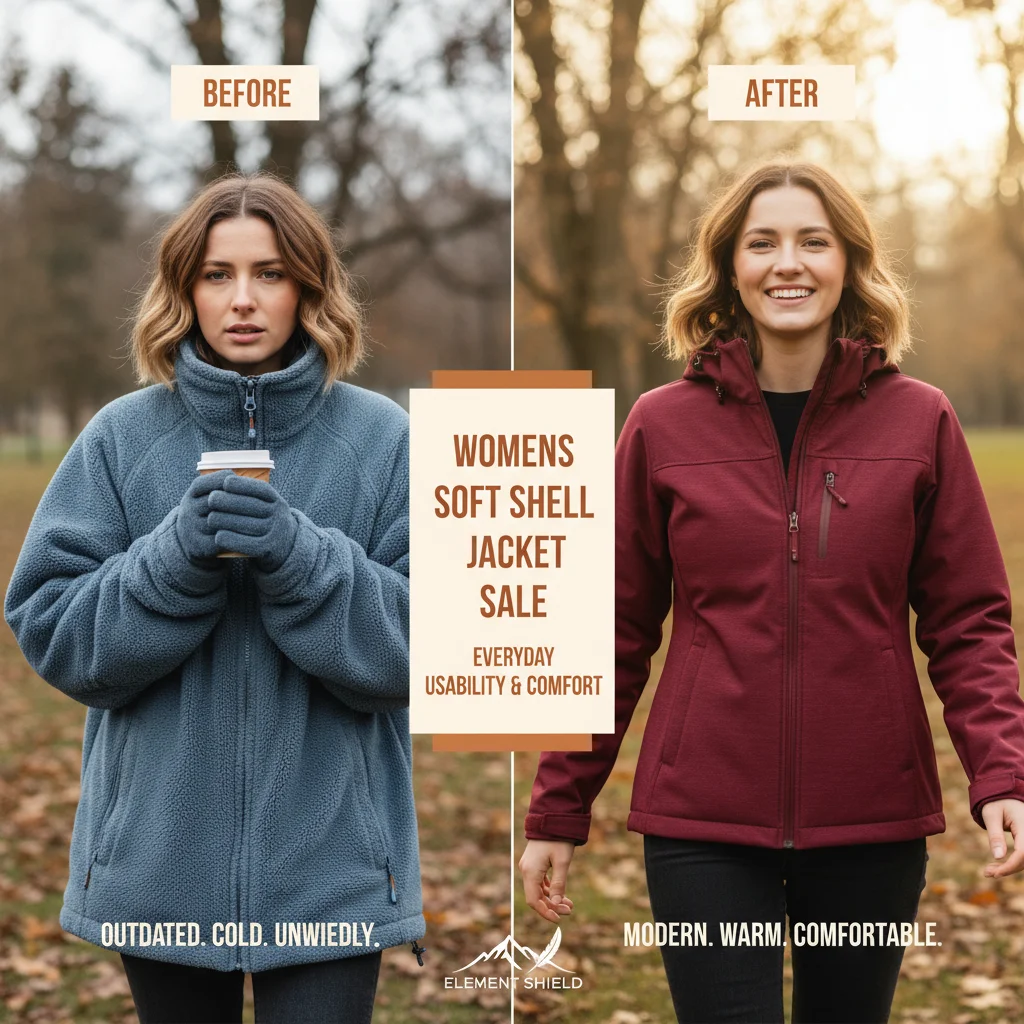
High-performance softshell jackets find utility across a diverse range of environments. In urban centers, they serve as the ideal commuting layer, offering a sleek, athletic fit that protects against morning dew and wind while remaining breathable enough for transit.
In more extreme contexts, such as remote industrial zones or mountain hiking trails, these garments are vital for safety. Their ability to provide 5000mm of waterproof protection ensures that the wearer remains dry during unexpected precipitation, which is crucial for preventing hypothermia in cold-weather exploration.
Strategic Advantages of OEM Customization
OEM (Original Equipment Manufacturer) services allow brands to differentiate themselves in a crowded market. By partnering with flexible suppliers, companies can customize the entire color palette, adjust size charts to fit specific regional demographics (such as US, EU, or Asian sizing), and implement custom logo placements via embroidery or printing.
This level of customization extends to the technical specifications themselves. Depending on the target market's climate, a brand may request an increase in the waterproof rating or a different blend of elastane to alter the garment's stretch and recovery properties.
Furthermore, professional OEM partners provide transparent lead time monitoring. From the 7-15 day sample phase to the 60-120 day bulk production cycle, this transparency reduces risk and ensures that seasonal collections hit the shelves on time.
Future Trends in Outdoor Apparel Sourcing
The future of the industry is leaning heavily toward sustainable textile innovation. We are seeing a shift toward recycled polyesters and PFC-free DWR finishes, as consumers demand gear that protects the environment as much as it protects the wearer.
Digital transformation is also redefining the relationship between brands and factories. Integration of 3D sampling and real-time supply chain control is reducing the need for multiple physical PP samples, thereby cutting waste and accelerating the time-to-market.
As automation increases in the cutting and sewing process, the ability to manage large-volume orders (such as 1000pcs per color) with zero defects is becoming the new industry standard.
Analysis of Sourcing and Production Metrics for Technical Outerwear
| Metric Category |
Standard Production |
Technical Softshell |
Performance Impact |
| Fabric Stretch |
Limited / 2-Way |
4-Way Omni-Directional |
Maximum Agility |
| Water Resistance |
Basic Water-Resistant |
DWR + 5000mm Rating |
Reliable Defense |
| Airflow |
Low/Non-Breathable |
Optimized 500 mvp |
Prevents Overheating |
| Customization |
Fixed Designs |
Full OEM Flexibility |
Brand Differentiation |
| Fit Profile |
Generic Boxy Fit |
High-Performance Athletic |
Sleek Appearance |
| Lead Time |
Variable |
60-120 Days (Confirmed) |
Predictable Logistics |
FAQS
Unlike standard fabrics, 4-way stretch expands both crosswise and lengthwise. This ensures that the jacket maintains its shape while providing unrestricted movement for high-intensity activities like hiking or climbing, which is a hallmark of quality outdoor wear suppliers.
Yes. While our standard softshell offers 5000mm waterproof protection and a DWR finish, professional OEM services allow for the adjustment of these specifications to meet the specific climate requirements of your target market.
Clients can customize the entire color palette, choose specific logo placement (embroidery or print), and adjust size charts to fit regional demographics, such as US, EU, or Asian sizing standards.
The fabric is engineered with a breathability rating of 500 mvp. This allows moisture vapor from sweat to escape from the inside of the garment while simultaneously preventing external wind and light rain from entering.
The typical lead time is between 60 to 120 days. This period begins after the Pre-Production (PP) sample has been officially confirmed by the client to ensure absolute quality and design accuracy.
Durable Water Repellent (DWR) finishes are designed for longevity, but like all high-performance gear, they may require occasional refreshing depending on usage and washing habits to maintain peak water-beading performance.
Conclusion
Partnering with the right outdoor wear suppliers is a strategic decision that impacts every facet of a brand's success, from the initial technical performance of the 4-way stretch fabric to the long-term reliability of the DWR finish. By balancing a 5000mm waterproof rating with optimized breathability and full OEM customization, manufacturers enable brands to deliver high-performance gear that meets the rigorous demands of the modern adventurer.
As the industry moves toward a more sustainable and digitally integrated future, the emphasis will shift further toward eco-friendly materials and transparent supply chains. For brands looking to elevate their outerwear line, focusing on precision engineering and scalable production will be the key to maintaining a competitive edge in the global market. Visit our website: www.outdoor-apparels.com