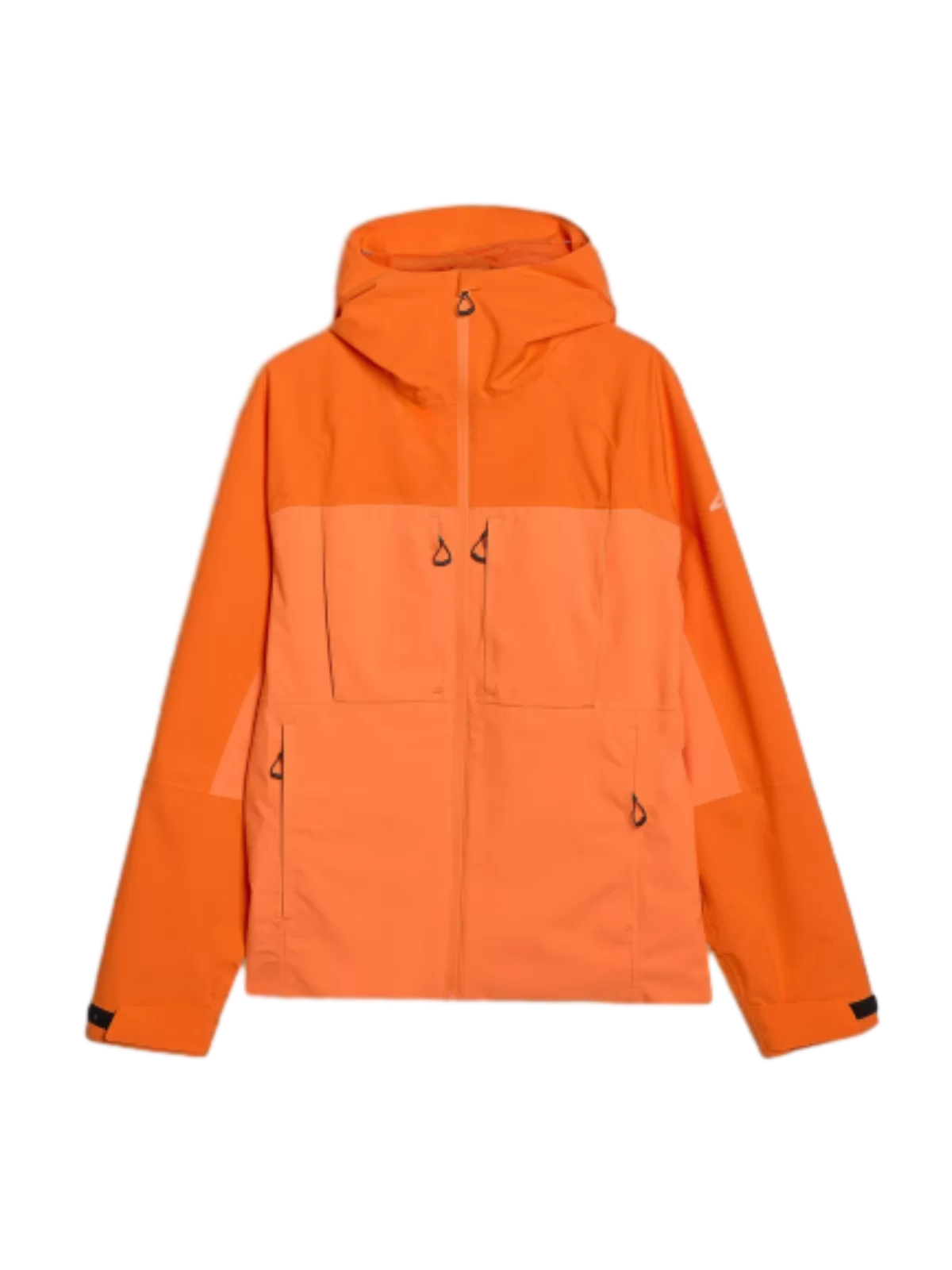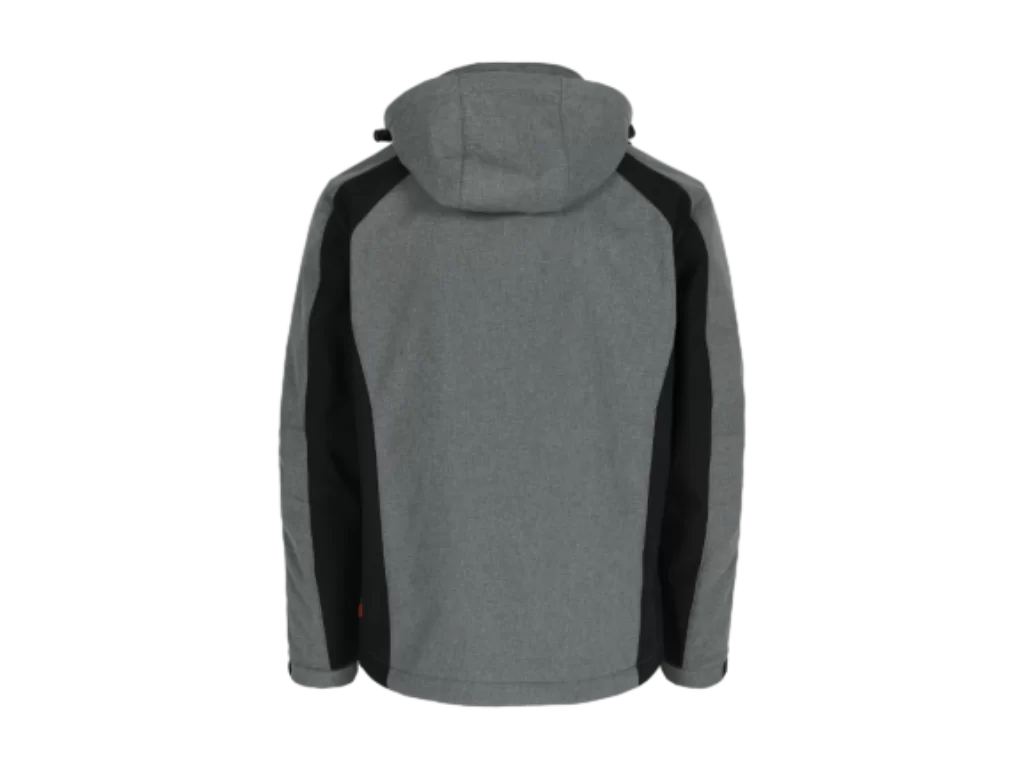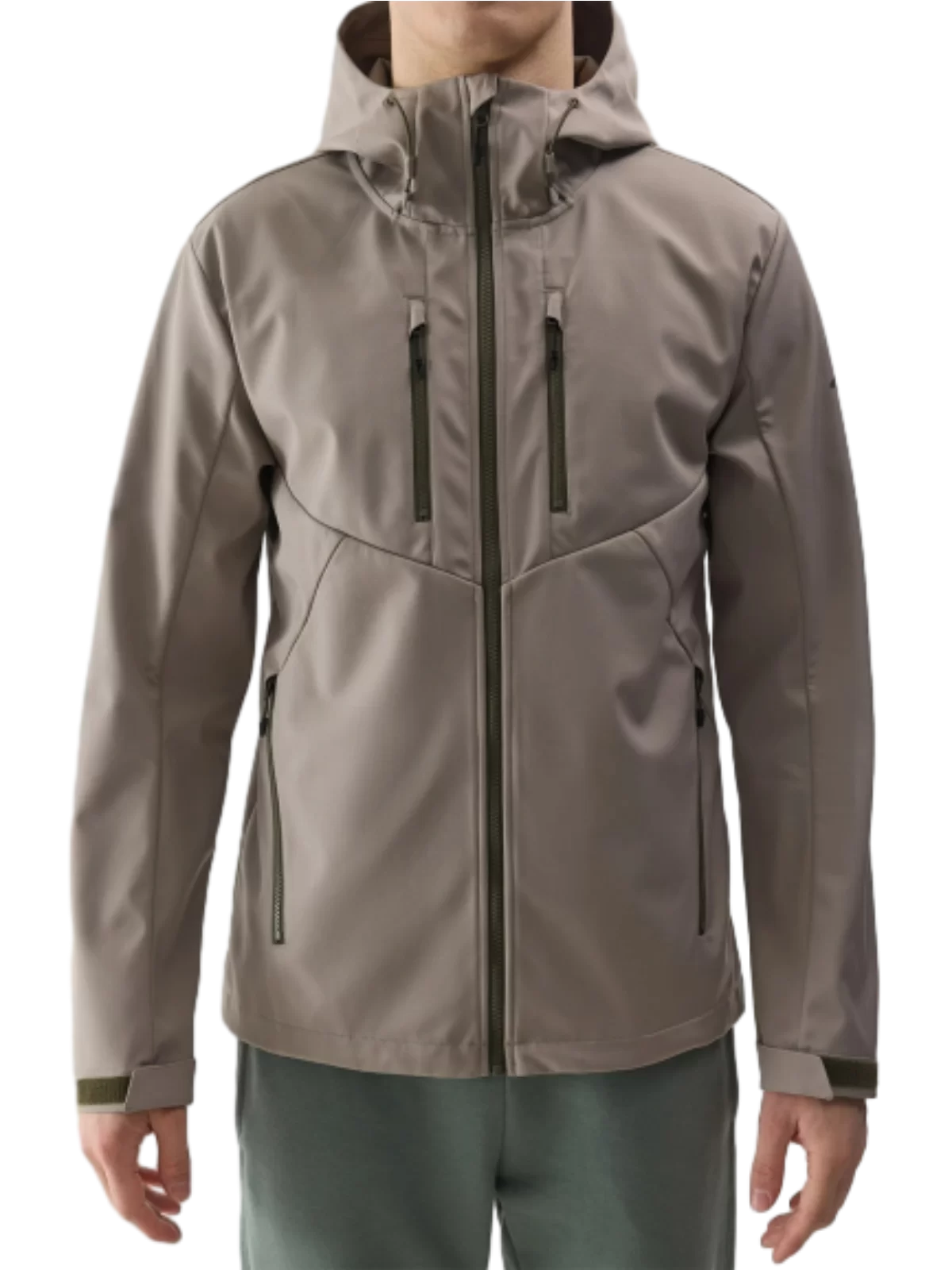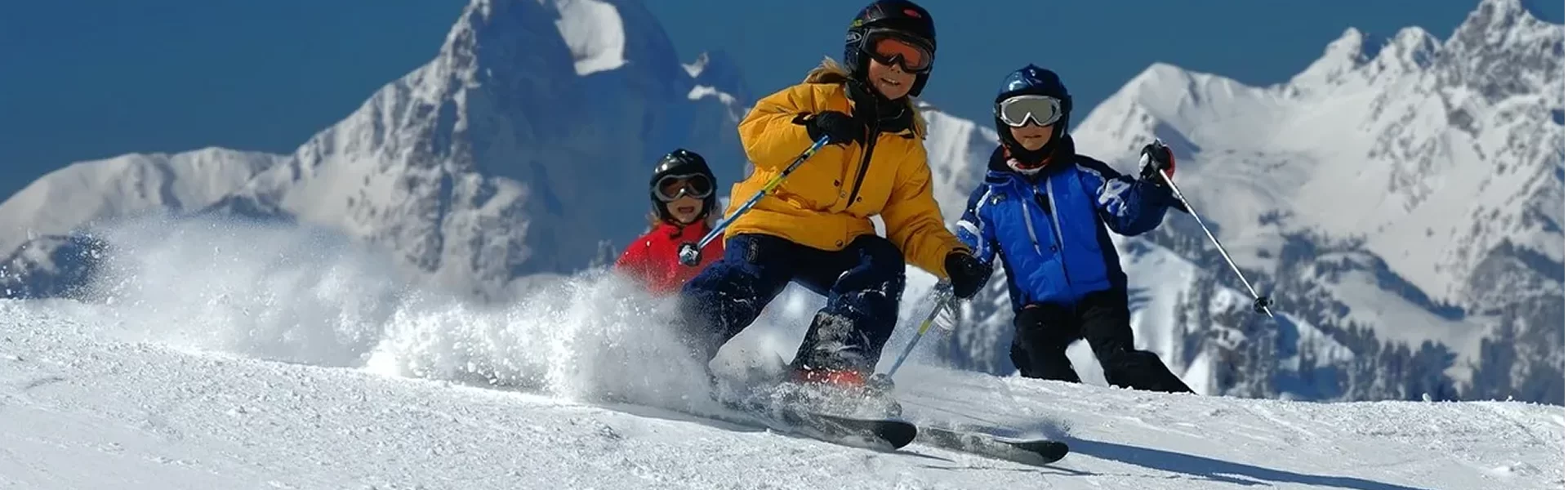
In the dynamic world of children's apparel, selecting a high-quality junior jacket transcends mere aesthetic appeal; it's an investment in a child's comfort, safety, and ability to thrive across diverse environments. From brisk morning commutes to adventurous weekend explorations, a well-chosen jacket serves as a crucial protective layer, shielding against unpredictable weather while reflecting the wearer's burgeoning sense of style. The market, brimming with an array of designs, materials, and functionalities, often presents a labyrinthine challenge for discerning parents and guardians seeking optimal value. This comprehensive guide aims to illuminate the critical factors that delineate a superior junior jacket from its lesser counterparts, delving into the intricacies of construction, material science, and design philosophy. Understanding these elements is paramount not only for ensuring immediate satisfaction but also for guaranteeing the garment's longevity and adaptability through growth spurts and changing seasons. We'll explore how modern manufacturing techniques blend cutting-edge technology with ergonomic considerations to produce outerwear that stands up to the rigors of active childhoods. The decision-making process for such an essential wardrobe staple demands a meticulous approach, considering everything from the climate-specific requirements to the anticipated wear patterns. A truly exceptional junior jacket provides unparalleled warmth, breathability, and waterproofing, all while being lightweight and easy for children to manage independently. It's about finding that perfect synergy of robust protection and unencumbered movement, allowing young adventurers to explore their world without constraint. This initial exploration sets the stage for a deeper dive into the specific attributes that contribute to the ultimate selection.
The global market for children's apparel, a significant segment of which is outerwear, has demonstrated consistent growth, reflecting evolving consumer priorities and an increased emphasis on quality and sustainability. Recent market analyses indicate a Compound Annual Growth Rate (CAGR) projected at approximately 5.5% from 2023 to 2030, with the segment for children aged 6-12 years showing particular buoyancy. This expansion is not merely driven by demographic shifts but also by a profound change in purchasing habits. Parents, now more informed and environmentally conscious, are increasingly prioritizing durability, multi-functionality, and ethical production practices over fleeting trends. Data from a 2022 consumer survey revealed that 68% of parents consider a garment's longevity and ease of care as primary purchasing motivators for children's outerwear, surpassing even initial price point for many. Furthermore, a substantial 45% of respondents expressed a willingness to invest more in jackets made from recycled or sustainably sourced materials, signaling a robust demand for eco-friendly options. The rise of outdoor recreational activities among families has also spurred demand for high-performance junior jackets capable of enduring various weather conditions, from torrential rain to sub-zero temperatures. Statistics from the Outdoor Foundation show a 15% increase in youth participation in outdoor activities over the last five years, directly correlating with a heightened need for specialized, protective apparel.
This data underscores a critical shift: the market is moving beyond basic utility towards sophisticated garments that integrate advanced material science and thoughtful design. Manufacturers who fail to adapt to these evolving demands, particularly those concerning sustainability and verifiable performance metrics, risk losing significant market share. The informed consumer of today isn't just buying a jacket; they're investing in a piece of equipment designed to enhance their child's experiences and withstand the test of time and activity. This granular understanding of market dynamics is crucial for both producers and consumers in navigating the landscape of junior apparel.
While visual appeal certainly plays a role in children's wear, the true value of a premium junior jacket lies in its unseen technical advantages. These sophisticated features are meticulously engineered to provide superior protection, comfort, and longevity. One of the foremost technical considerations is waterproofing and breathability. High-performance jackets often utilize advanced membrane technologies, such as Gore-Tex or proprietary equivalents, which boast impressive hydrostatic head ratings (e.g., 20,000mm+) ensuring waterproof integrity even under heavy precipitation, while simultaneously allowing perspiration to escape, preventing the clammy sensation associated with less breathable materials. This dual functionality is critical for maintaining thermal regulation during active play. Another vital aspect is insulation technology. Unlike bulky, traditional padding, modern junior jackets employ lightweight yet highly efficient insulations like PrimaLoft or Thinsulate, often providing warmth comparable to down but with superior performance in damp conditions and hypoallergenic properties. The loft and density of these insulations are carefully calibrated to offer maximum thermal retention without impeding movement. Durability and abrasion resistance are also paramount, given the active nature of children. Jackets designed for rigorous use incorporate ripstop fabrics, reinforced elbows and shoulders, and robust YKK zippers, which are known for their exceptional strength and smooth operation. Seam sealing technology, where all critical seams are taped to prevent water ingress, is another hallmark of quality, often overlooked but essential for true waterproofness. Furthermore, ergonomic design features such as articulated sleeves, adjustable cuffs and hems, and strategically placed reflective elements for low-light visibility contribute significantly to both comfort and safety. The integration of moisture-wicking linings, antimicrobial treatments to prevent odor buildup, and even integrated Recco reflectors for avalanche safety in specialized ski jackets exemplify the depth of technical innovation. These are not merely add-ons but fundamental components that collectively elevate a jacket from a simple covering to a high-performance piece of technical apparel, ensuring that children remain dry, warm, and safe regardless of the challenges their environment presents. The commitment to these technical specifications differentiates merely adequate outerwear from truly outstanding junior garments built for resilience.
The market for junior jackets is diverse, with numerous manufacturers vying for consumer attention, each bringing distinct philosophies and product offerings to the table. Understanding these differences is crucial for making an informed purchasing decision that aligns with specific needs, budgets, and values. While specific brand names can vary in market presence and product lines, we can categorize manufacturers based on their typical focus and strengths. This comparison highlights the varying approaches to design, material sourcing, and overall value proposition within the junior outerwear segment.
$60 - $180
Manufacturer Category/Focus | Key Strengths & Product Features | Typical Price Range (USD) | Targeted Age Group & Use | Sustainability & Ethical Practices |
Premium Outdoor Specialists | Advanced proprietary membranes (e.g., Gore-Tex, FutureLight), high-fill power down/synthetic insulation, durable ripstop fabrics, taped seams, adjustable features, integrated safety elements (RECCO). Focus on extreme weather performance. | $150 - $400+ | 6-16 years, serious outdoor activities (skiing, hiking, climbing), prolonged exposure to harsh conditions. | Often leaders in recycled materials, PFC-free DWR, fair labor certifications, transparent supply chains. Strong emphasis on longevity. |
Lifestyle & Everyday Wear Brands | Fashion-forward designs, urban aesthetic, comfortable fabrics (cotton blends, soft shells), adequate insulation for moderate cold, basic water resistance. Emphasis on style and versatility for daily use. | 4-14 years, school, casual outings, urban environments. | Varies widely; some embrace sustainable cotton and ethical sourcing, others have less stringent practices. Growing focus on eco-friendly lines. |
|
Value-Oriented Mass Market | Affordable pricing, basic polyester or nylon shells, synthetic insulation, often with DWR coating for light rain. Focus on accessibility and broad appeal. | $30 - $100 | 2-12 years, general everyday wear, occasional light outdoor use. | Generally less emphasis on advanced sustainable materials or complex ethical certifications, though improving. Focus on cost-efficiency. |
Specialty & Boutique Creators | Unique design aesthetics, often handmade or small-batch production, niche materials (e.g., organic wool, specialized denim), high attention to detail, strong brand story. | $100 - $300+ | Often wider range but focused on specific style preferences or unique functionalities (e.g., sensory-friendly designs). | Strong commitment to ethical production, local sourcing, organic materials, and minimized environmental footprint. Highly transparent. |
This comparison illustrates that while a 'jacket' may seem simple, the underlying manufacturing philosophies dictate everything from material selection to durability and environmental impact. Consumers are encouraged to align their purchasing decisions with their child's specific activities, local climate, and personal values regarding quality and sustainability.
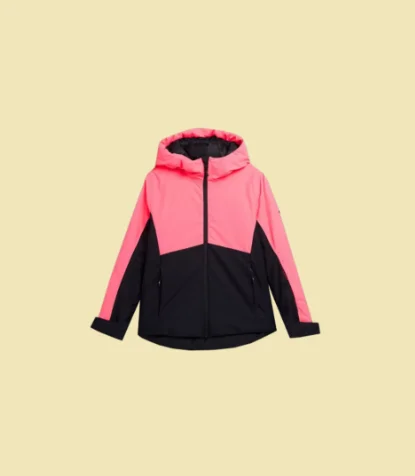
In an increasingly personalized world, the demand for customization extends far beyond adult apparel, reaching into the specialized realm of junior outerwear. Bespoke solutions for junior jackets address the unique requirements stemming from a child's specific activities, physiological needs, or even personal aesthetic preferences. This goes beyond merely choosing a size and color; it involves a deeper engagement with design and functionality. For instance, children engaged in competitive winter sports might require jackets with very specific insulation zones, reinforced stress points for falls, or integrated RFID chip pockets for lift passes, none of which are typically standard. Similarly, children with sensory sensitivities may benefit from seamless linings, tag-free constructions, or specific fabric textures that minimize irritation, a customization often unavailable in mass-produced items. The customization process can range from minor modifications to entirely new designs. Minor adjustments might include adding extra reflective piping for enhanced visibility during cycling, integrating durable patches for areas prone to wear, or altering pocket configurations for specific tools or devices. More extensive customization could involve selecting a unique combination of shell materials – perhaps a highly durable outer layer for playground rough-and-tumble combined with an ultra-soft, hypoallergenic inner lining. Clients can often choose from an expansive palette of colors, combine different fabric patterns, or even incorporate personalized embroidery, such as a child's name or a unique emblem, fostering a sense of ownership and pride in the garment. Advanced manufacturers are now leveraging 3D design software and modular production techniques to facilitate this level of personalization efficiently. This allows for iterative design adjustments, ensuring the final product perfectly matches the client’s vision and the child’s requirements. Such tailored approaches ensure that the jacket isn't just a fit in terms of size but also a perfect match for lifestyle and individual comfort, truly enhancing the child's experience. From adaptive designs for children with mobility challenges to specialized weatherproofing for extreme regional climates, bespoke junior jackets represent the pinnacle of thoughtful design and functional excellence, demonstrating that truly exceptional garments are those crafted with individual narratives in mind.
The true measure of a high-performance junior jacket lies not just in its technical specifications but in its ability to excel under real-world conditions, providing unwavering protection and comfort. Consider the case of Maya, a nine-year-old avid ski enthusiast living in the Rockies. Her parents invested in a premium jacket featuring a 3-layer Gore-Tex shell and Primaloft insulation. Throughout a particularly harsh winter season, Maya spent an average of 15 hours a week on the slopes. The jacket's high hydrostatic head rating (28,000mm) ensured she remained completely dry even during heavy snowfall, while the breathability allowed her to regulate temperature effectively during strenuous runs, preventing clamminess. The integrated RECCO reflector provided an added layer of safety, offering peace of mind to her parents. Similarly, Leo, a seven-year-old growing up in the Pacific Northwest, needed a jacket that could withstand daily downpours during his walk to school and weekend forest explorations. His custom-fitted softshell jacket, treated with a durable water repellent (DWR) finish and featuring sealed seams, proved invaluable. It offered excellent wind resistance and shed light rain effortlessly, keeping him comfortable during his outdoor adventures. The ergonomic design with adjustable cuffs meant the sleeves didn't hinder his movements when climbing trees or playing. Another compelling example is Chloe, an urban dwelling eleven-year-old who uses public transport daily. Her jacket, a stylish yet robust hybrid, combined a water-resistant outer fabric with a detachable, insulated liner. This modular design allowed her to adapt the jacket to fluctuating city temperatures, from chilly autumn mornings to milder afternoons. The reflective elements discreetly integrated into the design significantly enhanced her visibility to traffic during evening commutes. These instances highlight how a well-chosen junior jacket becomes an indispensable companion, enabling children to engage fully with their environment without being hindered by discomfort or inadequate protection. The investment in such garments pays dividends not only in tangible protection but also in fostering a love for outdoor activities and providing the confidence that comes with being appropriately equipped for any adventure. These application cases serve as powerful testimonials to the functional superiority and practical benefits of thoughtfully designed junior outerwear.
Ultimately, the decision to invest in a superior junior jacket extends beyond immediate utility; it's a strategic choice that yields considerable long-term value. While the initial outlay for a high-performance, well-constructed jacket might be greater than that for a mass-produced alternative, the benefits accrue over years of dependable service. A jacket engineered with robust materials and meticulous craftsmanship is far less likely to succumb to the wear and tear inherent in an active child’s life, meaning fewer replacements and a reduced environmental footprint. This durability not only offers financial savings over time but also contributes to sustainability by extending the garment's lifecycle, potentially allowing it to be passed down to younger siblings or donated, rather than prematurely discarded. Moreover, the advanced technical features—superior waterproofing, efficient insulation, and ergonomic design—translate directly into enhanced comfort and protection, fostering a greater willingness in children to engage in outdoor activities, irrespective of weather conditions. This encourages physical activity and a connection with nature, vital aspects of holistic child development. The sophisticated aesthetic and thoughtful design details of premium junior jackets also ensure that they remain stylish and appropriate for various occasions, from casual school days to more formal outdoor events. This versatility further maximizes their utility and perceived value. In essence, a quality junior jacket is more than just an item of clothing; it is a foundational piece of equipment that supports a child's growth, adventure, and well-being. It represents a commitment to providing the best possible protection and comfort, ensuring that young individuals can confidently explore, learn, and play in any environment. The careful consideration of technical merits, market trends, and customization options outlined in this guide serves to empower consumers to make informed choices that truly benefit the next generation. It’s an investment in their present experiences and their future resilience.
A1: For cold weather, insulation type and fill power are paramount. Look for jackets with high-quality synthetic insulation (like PrimaLoft or Thinsulate) or responsibly sourced down with a good fill power (600+), ensuring warmth without excessive bulk. Also, consider windproof and waterproof outer shells to prevent heat loss.
A2: Check for specific material technologies like Gore-Tex, eVent, or proprietary membranes with a high hydrostatic head rating (20,000mm+ is excellent). Additionally, look for fully taped seams and durable water repellent (DWR) finishes. Breathability is indicated by MVP (Moisture Vapor Permeability) ratings, where higher numbers signify better performance.
A3: Absolutely. Advancements in material science mean that sustainable options, often made from recycled polyester, organic cotton, or innovative bio-based materials, now offer comparable or even superior durability and performance. Many premium brands prioritize both sustainability and high technical specifications.
A4: A junior jacket should offer enough room for layering without being excessively baggy, which can compromise insulation and mobility. Sizing up by one size is generally acceptable for growth, but avoid going too large, as it can be uncomfortable and less effective at trapping warmth. Adjustable features like cuffs and hems can accommodate slight growth.
A5: Technical features include elements like articulated sleeves for better movement, adjustable hoods/cuffs/hems, reinforced stress points, reflective elements for safety, chin guards, and quality zippers (e.g., YKK). They enhance comfort, safety, durability, and overall performance, making the jacket more suitable for active use.
A6: A high-quality junior jacket, with proper care, should typically last for several seasons, ideally being outgrown rather than worn out. Premium materials and robust construction are designed to withstand frequent use and washing, making them a worthwhile investment that can often be passed down.
A7: Yes, many manufacturers and specialized services offer customization. Options can range from personalized embroidery or patches, choice of specific colors or patterns, to more technical modifications like tailored insulation zones, specific pocket configurations, or adapting for sensory sensitivities. This ensures a jacket perfectly matches individual needs and preferences.
If you are interested in our products, you can choose to leave your information here, and we will be in touch with you shortly.