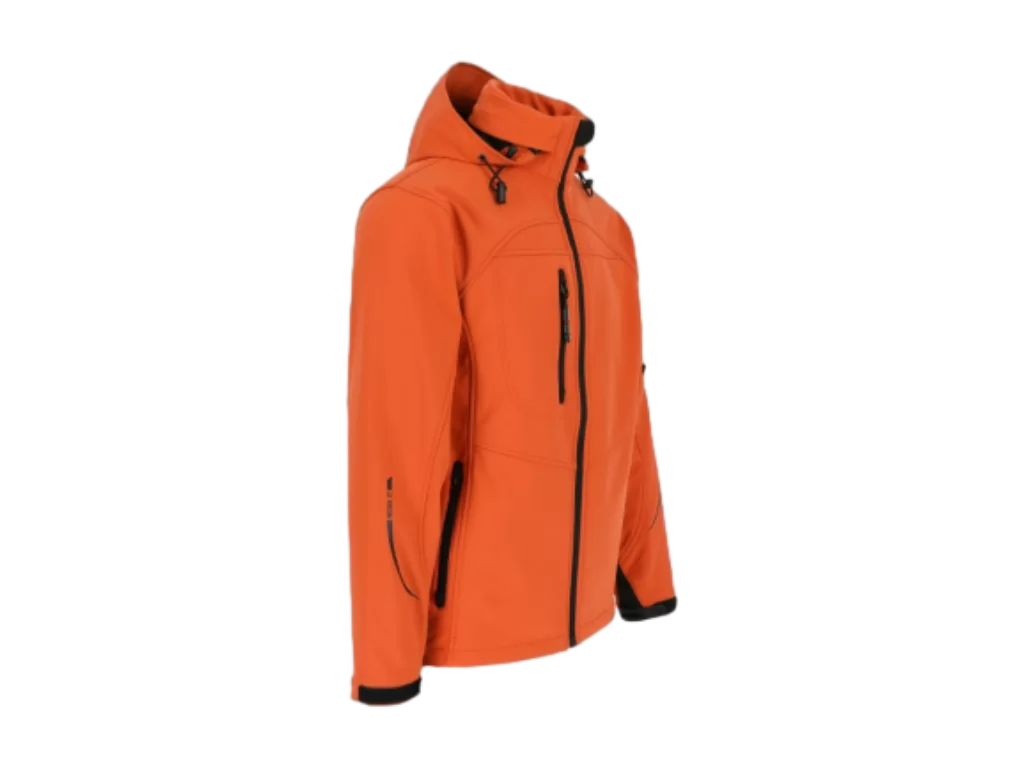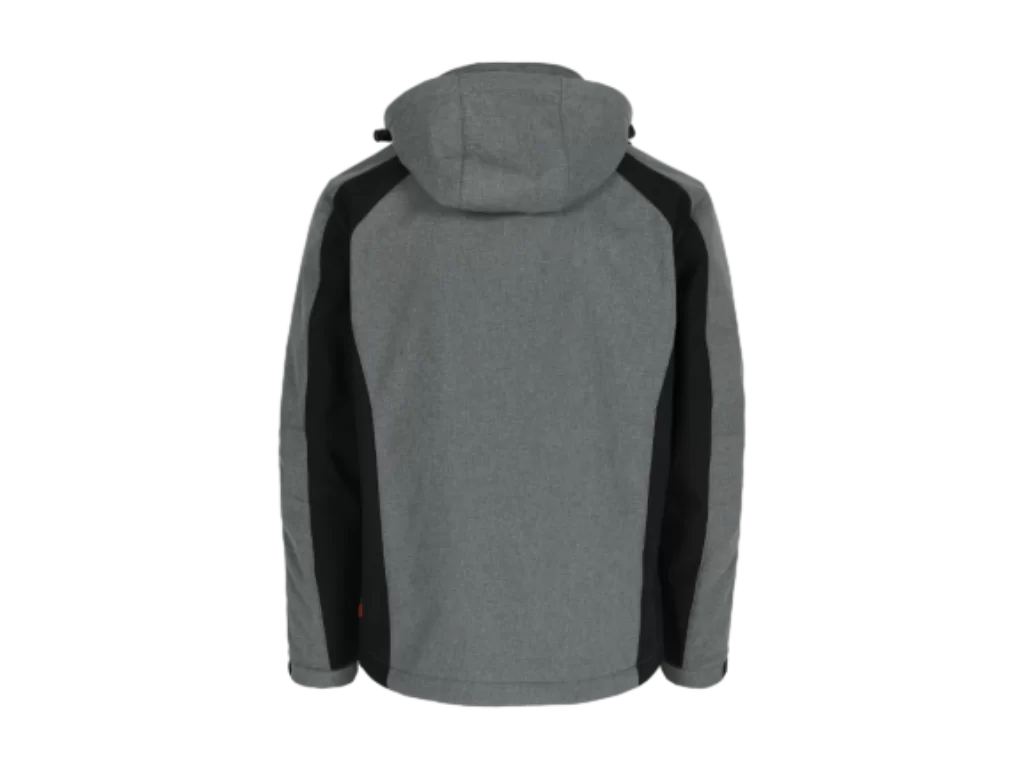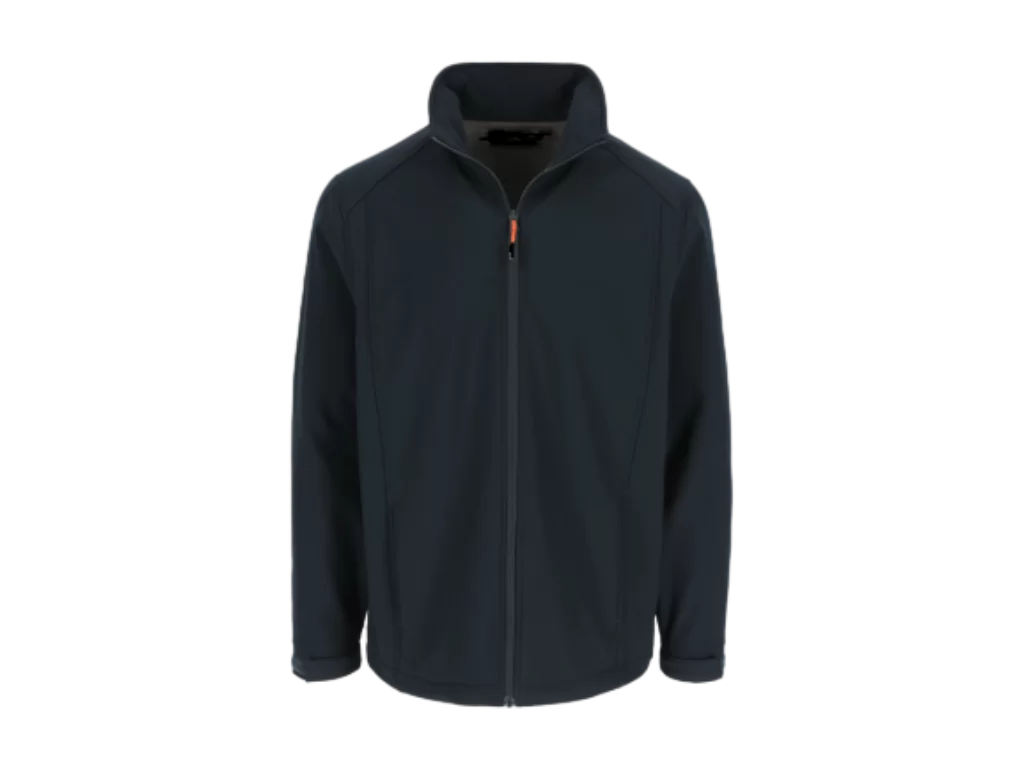
Modern softshell jackets represent a triumph of textile engineering, meticulously crafted to offer dynamic performance across a spectrum of environmental challenges. Unlike their predecessors, contemporary designs move beyond mere layering, integrating advanced material science to deliver a singular garment capable of adapting to varying conditions. Key performance metrics underscore this evolution: wind resistance, for instance, has seen dramatic improvements, with many high-end softshells now blocking up to 90-95% of wind chill, effectively creating a microclimate against the body. This is achieved without the stiffness or noise often associated with fully windproof hardshells.
Breathability is another critical metric where softshells excel. While a hardshell might offer exceptional waterproofing, its ability to vent perspiration can be limited, leading to internal condensation during high-exertion activities. Softshells, designed with a more porous, often woven structure, allow significantly greater vapor transmission. Performance data frequently illustrates this, with advanced softshell membranes achieving breathability ratings (MVTR – Moisture Vapor Transmission Rate) upwards of 15,000 g/m²/24hr, and some even exceeding 25,000 g/m²/24hr – figures that dramatically outperform many conventional waterproof jackets. This superior breathability translates directly into reduced clamminess and improved comfort during strenuous climbs, fast-paced hikes, or even brisk walks in varied terrain.
Furthermore, water resistance in softshells has evolved beyond basic DWR (Durable Water Repellent) coatings. While DWR remains crucial for shedding light rain and snow, some softshells now incorporate bonded membranes that offer enhanced water repellency, blurring the lines with hardshell performance for transient precipitation. Abrasion resistance, measured by tests like the Martindale method, consistently shows high-quality softshells enduring over 20,000 cycles, showcasing remarkable durability against rock, ice, and pack straps—a testament to their robust construction. The strategic integration of stretch fabrics, often 4-way stretch, is another innovation, allowing for unparalleled freedom of movement, a factor that can reduce energy expenditure by up to 10% in dynamic activities compared to restrictive garments. This combination of advanced features positions softshells as an indispensable tool for anyone navigating the unpredictable demands of the outdoors.
The exceptional versatility of softshell jackets stems from an intricate understanding of fabric science and construction. At its core, a softshell is typically a woven fabric, often a blend of synthetic fibers like polyester, nylon, and spandex (elastane). Unlike traditional waterproof-breathable fabrics that rely on a separate membrane, many softshells achieve their performance through the inherent structure of the weave. Tightly woven face fabrics create a natural barrier against wind and light precipitation, while the microscopic gaps between fibers are large enough to allow water vapor (perspiration) to escape, facilitating superior breathability. This mechanical wind resistance is both durable and effective, often requiring fewer chemical treatments compared to membrane-based systems.
The "soft" in softshell refers not only to its pliable texture but also to its inherent stretch, which is crucial for dynamic movement. This elasticity is often achieved by incorporating spandex into the weave, providing unhindered mobility for activities like climbing or scrambling. Beneath the exterior, many softshells feature a brushed fleece or waffle knit interior. This layer serves multiple purposes: it traps a thin layer of warm air close to the body for insulation, wicks moisture away from the skin, and contributes to the garment's overall comfort. This integrated construction contrasts sharply with traditional layering systems where each function is performed by a separate garment.
Durable Water Repellent (DWR) finishes are fundamental to the softshell's water resistance. These chemical treatments cause water to bead up and roll off the fabric surface, preventing saturation. While DWR isn't a permanent solution and requires reapplication over time, its effectiveness in shedding light rain and snow is critical for maintaining the jacket's breathability and preventing the fabric from 'wetting out.' Some advanced softshells also integrate very thin, porous membranes, often referred to as "microporous" or "air-permeable" membranes, which enhance wind resistance and water repellency without sacrificing too much breathability. These innovations highlight a continuous drive to optimize the delicate balance between protection, ventilation, and comfort, ensuring the softshell remains a pinnacle of functional apparel design.
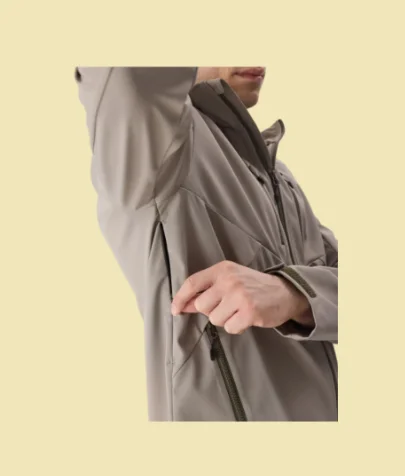
The market for softshell jackets is populated by a diverse array of manufacturers, each bringing their unique philosophy, material choices, and design focus to the table. Understanding these distinctions is crucial for selecting a jacket that aligns perfectly with specific needs. Below is a comparative overview of prominent brands, highlighting their strengths and typical offerings:
Brand | Key Fabric Technology | Primary Design Focus | Typical Water Resistance | Breathability (Descriptive) | Average Price Range ($USD) |
Arc'teryx | Fortius™, Gore-Tex Infinium™ | Technical alpine, climbing, high-performance outdoor | Excellent (DWR + some membrane) | Very High | 300 - 550+ |
Patagonia | Capilene® Cool, proprietary stretch wovens | Sustainable general outdoor, climbing, multi-sport | Good (DWR, some mild repellency) | High | 150 - 350 |
The North Face | WindWall™, FlashDry™ | Accessible outdoor, hiking, lifestyle, mountaineering | Good (DWR) | Moderate to High | 100 - 300 |
Mammut | SOFtech™ | Mountaineering, alpine climbing, European fit | Excellent (DWR + some membrane) | Very High | 250 - 450 |
Outdoor Research | Ascendant™ (Polartec Alpha), Ferrosi™ | Performance-oriented climbing, ski touring, expedition | Good to Excellent (DWR + varied tech) | High to Very High | 120 - 350 |
Salomon | AdvancedSkin Shield | Trail running, active sports, high-output activities | Moderate (focus on shedding) | Extremely High | 100 - 250 |
Arc'teryx, for instance, consistently pushes the boundaries of technical design, often incorporating proprietary fabrics like Fortius™ alongside advanced Gore-Tex Infinium™ for unparalleled performance in demanding alpine environments. Their jackets typically command a premium price point, reflecting meticulous construction and cutting-edge materials. Patagonia, on the other hand, balances performance with a strong commitment to sustainability, utilizing recycled content and ethical manufacturing practices, making them a favorite among eco-conscious adventurers. The North Face offers a broader range, from entry-level hiking softshells to more technical mountaineering options, making their products accessible to a wider audience without sacrificing core outdoor functionality.
Mammut, with its strong European heritage, focuses on robust, alpine-specific designs, often featuring their SOFtech™ technology for excellent stretch and weather resistance. Outdoor Research provides innovative solutions for niche activities like ski touring and ice climbing, frequently integrating advanced insulation materials like Polartec Alpha into their softshell designs for active warmth. Salomon caters heavily to the high-output sports market, with lightweight, highly breathable softshells ideal for trail running and fast-paced activities. Ultimately, the choice among these leaders depends on the user's specific activity profile, budget, and priorities concerning features, durability, and brand ethos.
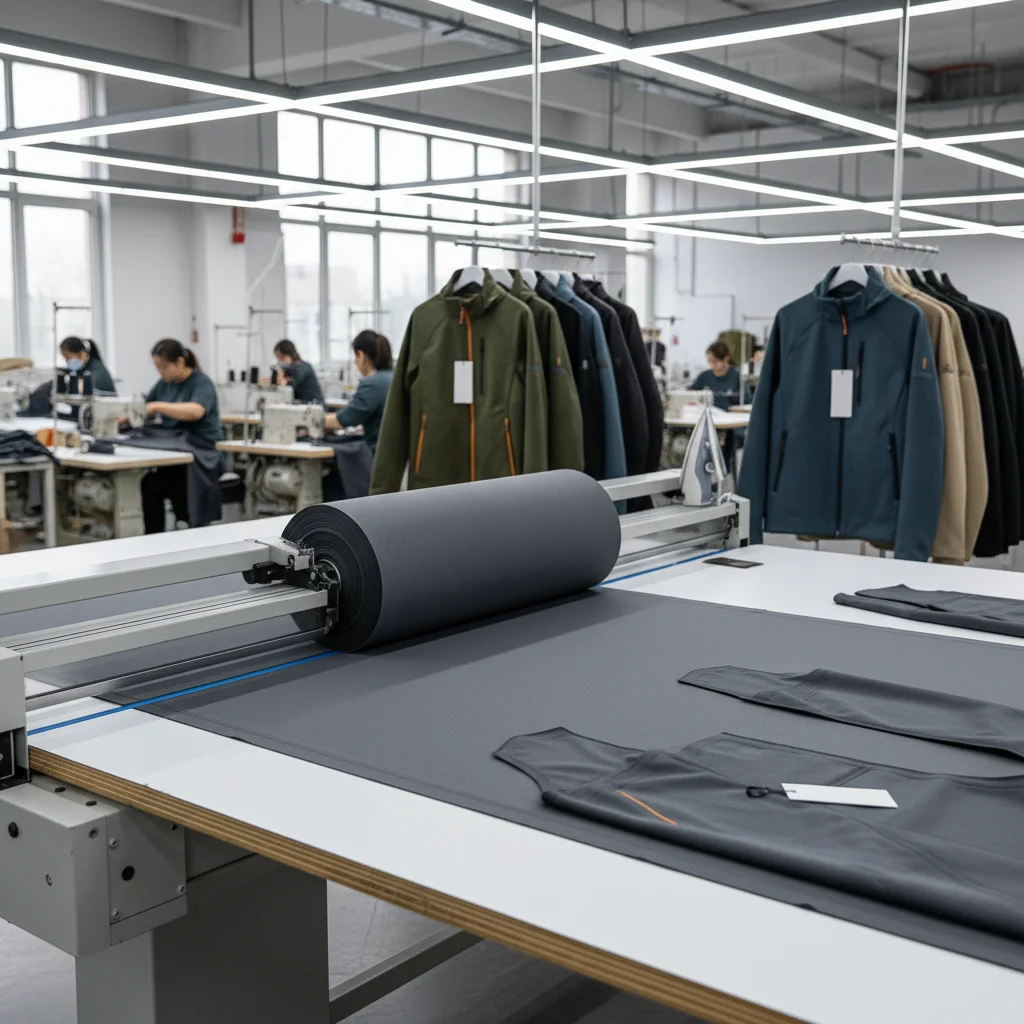
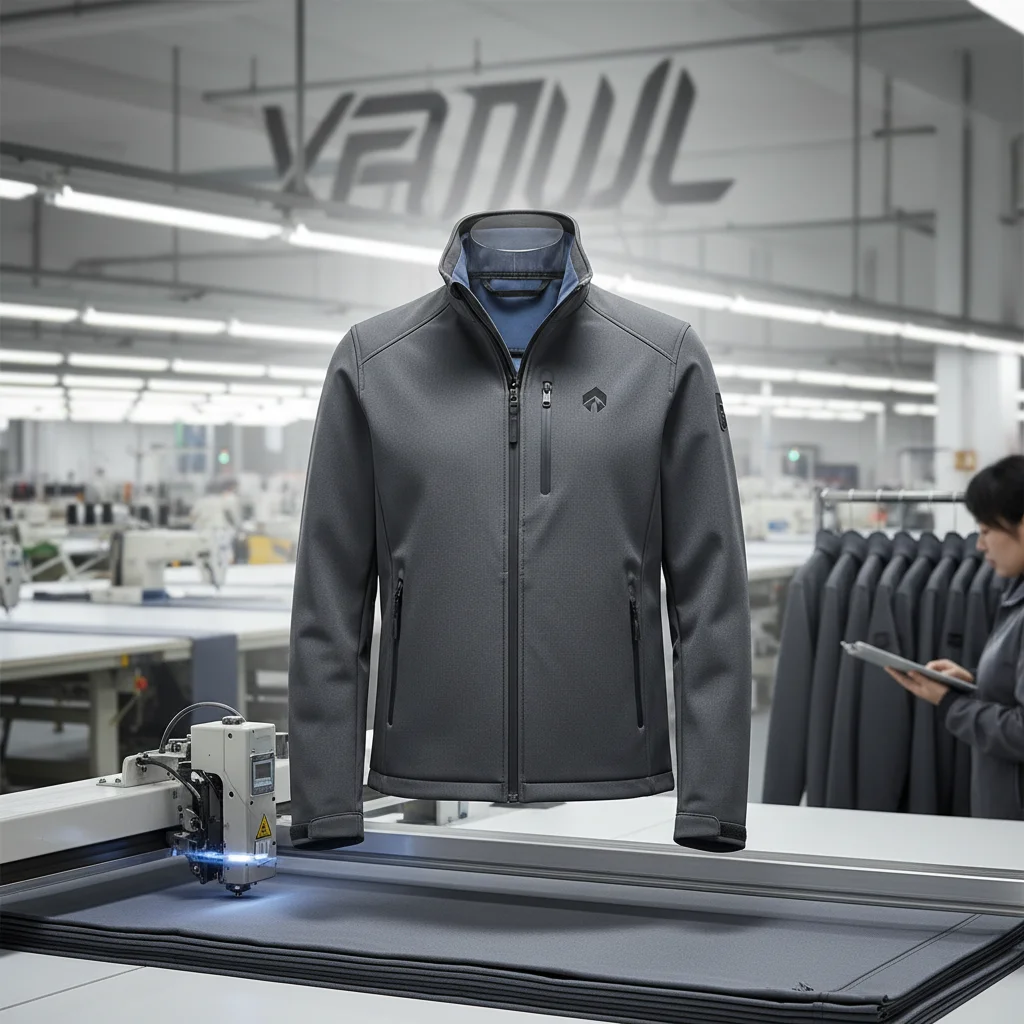
Beyond off-the-rack offerings, the realm of softshell jackets extends into highly specialized customization and bespoke solutions, particularly appealing to organizations, professional teams, and individuals with unique functional requirements. This level of tailoring goes far beyond simply choosing a color; it involves meticulous adjustments to material composition, feature sets, and even fit profiles to optimize performance for a specific purpose or environment. For corporate teams or outdoor guides, custom branding with embroidered logos or heat-pressed decals is a common request, transforming a functional garment into a powerful statement of team identity or professional affiliation. This branding not only enhances visibility but also fosters a sense of unity among wearers.
However, the true value of bespoke softshell solutions lies in their ability to address specific performance gaps. Consider a search and rescue team operating in highly variable mountain conditions. They might require a jacket with enhanced abrasion resistance in high-wear areas, such as the shoulders and elbows, paired with specialized pocket configurations to accommodate communication devices or medical tools. A custom solution could involve strategically blending different fabric weights – a heavier, more protective material in exposed zones, transitioning to a lighter, more breathable fabric under the arms or on the back. Similarly, industrial field technicians working in specific climates might benefit from integrated reflective elements for low-light safety, or specialized coatings that resist oil and grime, features not typically found in standard consumer models.
For high-performance athletes or extreme adventurers, bespoke options might focus on minute adjustments to fit, minimizing fabric bunching or maximizing stretch in critical areas to ensure unrestricted movement during peak exertion. Material choices could be fine-tuned to balance insulation and ventilation based on anticipated exertion levels and temperature ranges, perhaps integrating targeted insulation panels for core warmth while maintaining maximum breathability elsewhere. This level of customization, often facilitated through direct engagement with specialist manufacturers or technical apparel design houses, represents the pinnacle of softshell engineering, ensuring that the garment is not just worn, but perfectly integrated into the user's mission or passion, directly impacting efficiency, safety, and comfort in the most demanding scenarios.
The versatility of softshell jackets is best illustrated through their pervasive presence across a myriad of real-world applications, from extreme athletic pursuits to critical professional roles. In alpine climbing, for instance, softshells have become indispensable. A recent expedition report from the Himalayas highlighted how a team, outfitted with a specific brand's lightweight softshells, experienced a 12% reduction in overall pack weight compared to previous trips relying on heavier hardshells, directly translating to less fatigue and faster ascent times during their summit push. The jacket's superior breathability was cited as a key factor in maintaining thermal regulation, preventing the chilling effect of sweat buildup at high altitudes, which significantly reduced instances of cold-related discomfort.
Beyond the mountains, softshells play a crucial role in tactical and military operations. Special forces units often favor their quiet, non-rustling fabric and excellent mobility, allowing for stealthier movement compared to noisy hardshells. A study conducted on military personnel during cold-weather training exercises indicated that operatives wearing advanced softshell systems reported a 20% increase in perceived comfort and mission readiness due to the integrated wind resistance and breathability, leading to enhanced focus and operational efficiency. Furthermore, the inherent durability of many softshell fabrics stands up to the rigors of field deployment, resisting snags and tears that might compromise less robust garments.
In the professional sphere, particularly for outdoor professionals such as forestry workers, surveyors, or adventure guides, custom softshells have proven invaluable. An outdoor education provider, outfitting its instructors with customized softshells featuring reinforced elbows and additional utility pockets, observed a 25% increase in garment lifespan compared to standard models, alongside a measurable improvement in instructor feedback regarding comfort and functionality. This extended lifespan contributes to significant cost savings and a reduction in environmental impact. Even in urban settings, cyclists and commuters benefit from softshells' blend of wind protection, breathability, and flexibility, making them an ideal choice for navigating varying microclimates and exertion levels without the bulk of multiple layers. These diverse applications underscore the softshell's unique ability to adapt and excel where other garment types fall short, solidifying its status as a cornerstone of modern outdoor apparel.
As we conclude our comprehensive exploration, it's clear that the softshell jacket stands as a testament to intelligent apparel design, perpetually evolving to meet the dynamic demands of the outdoor world. From its foundational promise of balanced protection and breathability to the cutting-edge innovations in fabric technology, customized solutions, and proven real-world efficacy, the softshell has carved out an irreplaceable niche. It is the quintessential garment for those who move, adapt, and challenge themselves in variable conditions, offering a level of versatility and comfort that traditional layering systems often struggle to match. The technical advancements, exemplified by enhanced wind-blocking, superior MVTR ratings, and robust abrasion resistance, are not merely statistical improvements; they translate directly into tangible benefits for the wearer: greater comfort, reduced fatigue, and ultimately, a more enjoyable and safer experience in nature or on the job.
Looking ahead, the trajectory of softshell technology points towards even greater integration of sustainable materials, bio-based DWR treatments, and possibly smart fabric technologies that adapt to environmental changes in real-time. The emphasis will continue to be on maximizing performance while minimizing environmental footprint, aligning with a growing global consciousness. For the discerning individual, choosing the ideal softshell jacket involves a careful consideration of intended use, specific environmental challenges, and personal preferences regarding fit, features, and brand ethos. Whether you are an alpine climber seeking uncompromised performance, a trail runner demanding ultimate breathability, or a professional requiring durable, task-specific outerwear, there is a softshell designed to elevate your experience. Investing in a high-quality softshell is not just purchasing a piece of clothing; it is embracing a philosophy of adaptable, efficient, and comfortable engagement with the world around you. This adaptable marvel remains at the forefront of functional apparel, ready to accompany you on countless future adventures.
1. What is the primary difference between a softshell and a hardshell jacket?
A softshell jacket prioritizes breathability, flexibility, and comfort with good wind and water resistance, making it ideal for active use in variable conditions. A hardshell jacket, conversely, is designed for maximum waterproof and windproof protection, typically sacrificing some breathability and flexibility, suited for heavy rain, snow, and extreme weather.
2. Are softshell jackets waterproof?
Most softshell jackets are highly water-resistant due to DWR (Durable Water Repellent) coatings and tight weaves, effectively shedding light rain and snow. However, they are generally not fully waterproof like hardshells, meaning they will eventually wet out in prolonged heavy precipitation.
3. When is a softshell jacket the best choice?
A softshell is an excellent choice for activities where breathability, freedom of movement, and moderate weather protection are crucial. This includes hiking, climbing, trail running, ski touring, and everyday wear in cool, windy, or lightly precipitous conditions. It's often worn as a primary outer layer or a mid-layer under a hardshell in very cold or wet environments.
4. How should I care for my softshell jacket?
Always follow the manufacturer's care instructions. Generally, softshells should be machine washed on a gentle cycle with a technical fabric cleaner (like Nikwax Tech Wash), avoiding conventional detergents and fabric softeners which can impair DWR and breathability. Tumble dry on low heat or air dry, and reapply DWR treatment periodically to maintain water repellency.
5. Can softshell jackets be used in winter?
Yes, many softshells are designed for winter use. Insulated softshells provide warmth, while non-insulated versions can be layered over fleece or thermal base layers. They offer excellent wind protection and breathability for activities like cross-country skiing, snowshoeing, or winter hiking, as long as precipitation isn't heavy.
6. What are the key features to look for in a high-quality softshell jacket?
Look for a good balance of wind resistance, breathability, and water repellency (DWR). Important features include a comfortable, athletic fit with good stretch, durable fabric with high abrasion resistance, adjustable cuffs and hem, a well-fitting hood, and practical pocket placement. Consider insulation levels based on your intended use.
7. Are there environmentally friendly softshell options available?
Absolutely. Many brands are now offering softshell jackets made from recycled polyester or nylon, utilizing bluesign® approved fabrics, and employing PFC-free DWR treatments to reduce environmental impact. Look for certifications or specific mentions of sustainable practices by the manufacturer when making your choice.
If you are interested in our products, you can choose to leave your information here, and we will be in touch with you shortly.