The market for Junior Jacket apparel is currently undergoing a dynamic transformation, driven by an increased focus on functionality, durability, and contemporary style. What was once a relatively straightforward segment primarily concerned with basic warmth has blossomed into a sophisticated industry responding to diverse needs ranging from rigorous outdoor activities to everyday urban wear. Industry reports highlight a robust growth trajectory, with the global children's wear market, a significant portion of which includes junior jackets, projected to reach an impressive $296 billion by 2027, expanding at a compound annual growth rate (CAGR) of 6.2% from 2020. This surge is not merely volumetric; it reflects a paradigm shift in consumer expectations. Parents and guardians today are far more discerning, prioritizing not just aesthetics but also the technical specifications, ethical sourcing, and environmental footprint of the garments they purchase. This heightened awareness has spurred manufacturers to innovate at an unprecedented pace, integrating advanced materials and construction techniques previously reserved for adult performance wear. The demand for versatility is paramount, with a single junior jacket often expected to perform across multiple scenarios, from resisting a sudden downpour during a school trip to providing insulation on a chilly morning walk. Furthermore, the influence of digital trends and social media has amplified the importance of design, making style an equally critical component alongside practical attributes. This confluence of factors creates a vibrant yet competitive landscape, compelling brands to push boundaries in material science, ergonomic design, and sustainable manufacturing practices to capture and retain market share within this burgeoning segment. Understanding these underlying market dynamics is crucial for anyone involved in the production, distribution, or procurement of junior jackets, as it underscores the importance of strategic development and a keen awareness of evolving consumer preferences. The modern junior jacket is not just a piece of clothing; it's an investment in comfort, safety, and a statement of conscious consumption, reflecting broader societal values.
Modern junior jackets are a testament to remarkable advancements in material science and ergonomic design, setting them apart from their predecessors. Gone are the days when a simple polyester shell sufficed; today's offerings integrate sophisticated fabrics and thoughtful construction to deliver unparalleled performance. At the forefront of these innovations are waterproof and breathable membranes, often employing technologies like Gore-Tex, eVent, or proprietary blends. These membranes are engineered with microscopic pores small enough to block liquid water molecules but large enough to allow water vapor (perspiration) to escape, ensuring the wearer remains dry from both external precipitation and internal moisture buildup. For insulation, the industry has moved beyond bulky, heavy fills. We now see highly efficient synthetic insulations, such as PrimaLoft or Thinsulate, which offer excellent warmth-to-weight ratios, retaining heat even when damp. Natural down insulation, often with a high fill power (e.g., 700-800 FP), is also popular for its superior warmth and compressibility, frequently treated with hydrophobic coatings to enhance performance in wet conditions. Beyond materials, ergonomic design plays a pivotal role. Features like articulated sleeves and elbows ensure a full range of motion, crucial for active children. Adjustable cuffs, often with hook-and-loop fasteners, and elasticated hems provide a customizable fit, sealing out drafts. Hoods are frequently designed to be helmet-compatible or feature a three-panel construction for better head coverage and peripheral vision, often with adjustable drawcords or toggles for a snug fit. Safety is also paramount, with many jackets incorporating reflective elements to enhance visibility in low-light conditions. Strategically placed pockets, designed for easy access and secure storage, are common, as are durable YKK zippers and reinforced stress points to withstand the rigors of active play. The meticulous combination of advanced textiles and human-centric design principles ensures that contemporary junior jackets are not just garments but highly functional pieces of equipment, providing optimal protection, comfort, and freedom of movement across diverse environments and activities, truly redefining what is expected from youth apparel in terms of technical prowess.
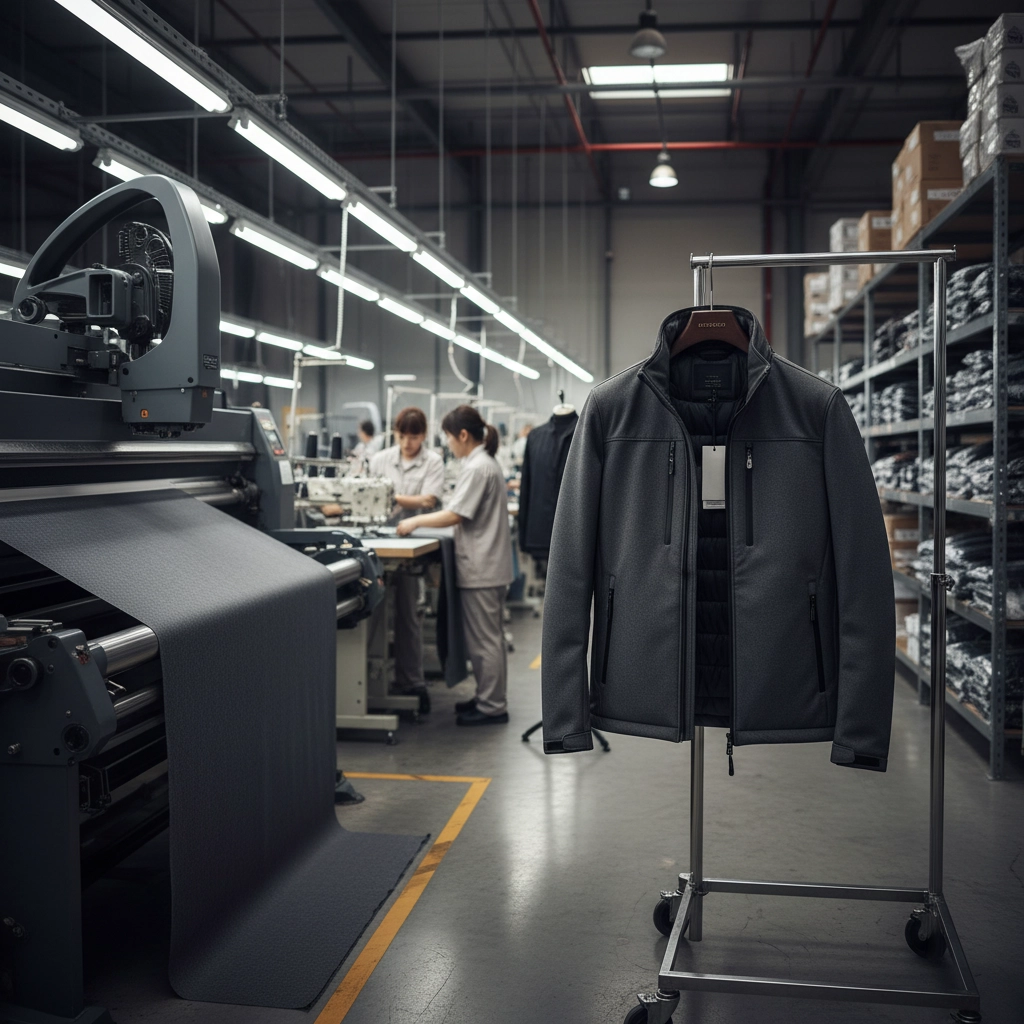
Navigating the plethora of manufacturer choices for junior jackets requires a strategic approach, as the quality, feature set, and overall value can vary significantly. Understanding the nuances between brands and production methodologies is key to making informed procurement decisions, whether for retail, educational institutions, or specialized outdoor programs. Factors such as material sourcing, ethical labor practices, and adherence to international safety standards (e.g., REACH, OEKO-TEX) are becoming increasingly important in addition to the tangible product features. A comparative analysis, therefore, must delve deeper than just headline specifications. Below is a hypothetical table illustrating a comparison across different types of junior jackets, which can broadly represent offerings from various manufacturers, focusing on key performance indicators and design philosophies:
Attribute | Performance Shell Jacket | Insulated Puffer Jacket | Hybrid Softshell Jacket | Everyday Casual Jacket |
Primary Material | 2-Layer or 3-Layer Laminate (Nylon/Polyester with DWR) | Ripstop Nylon/Polyester with Down/Synthetic Fill | Stretch Woven Fabric (Polyester/Spandex) with Membrane | Cotton Canvas, Fleece, or Basic Polyester |
Waterproofing Rating | 10,000mm - 20,000mm+ H₂O | 5,000mm - 10,000mm H₂O (Water-resistant) | 5,000mm - 10,000mm H₂O (Highly Water-resistant) | 0mm - 2,000mm H₂O (No/Minimal Protection) |
Breathability Rating | 10,000 - 20,000 g/m²/24h | 5,000 - 10,000 g/m²/24h | 15,000 - 25,000 g/m²/24h (High) | N/A (Generally very breathable if not coated) |
Insulation Type & Weight | None (Shell only) | Down (550-800 FP) or Synthetic (100-200 g/m²) | Light Fleece Lining or Minimal Synthetic (60 g/m²) | Fleece Lined or Unlined |
Durability Assessment | High (Reinforced abrasion zones) | Medium (Careful with snags) | High (Abrasion-resistant exterior) | Moderate (Dependent on fabric) |
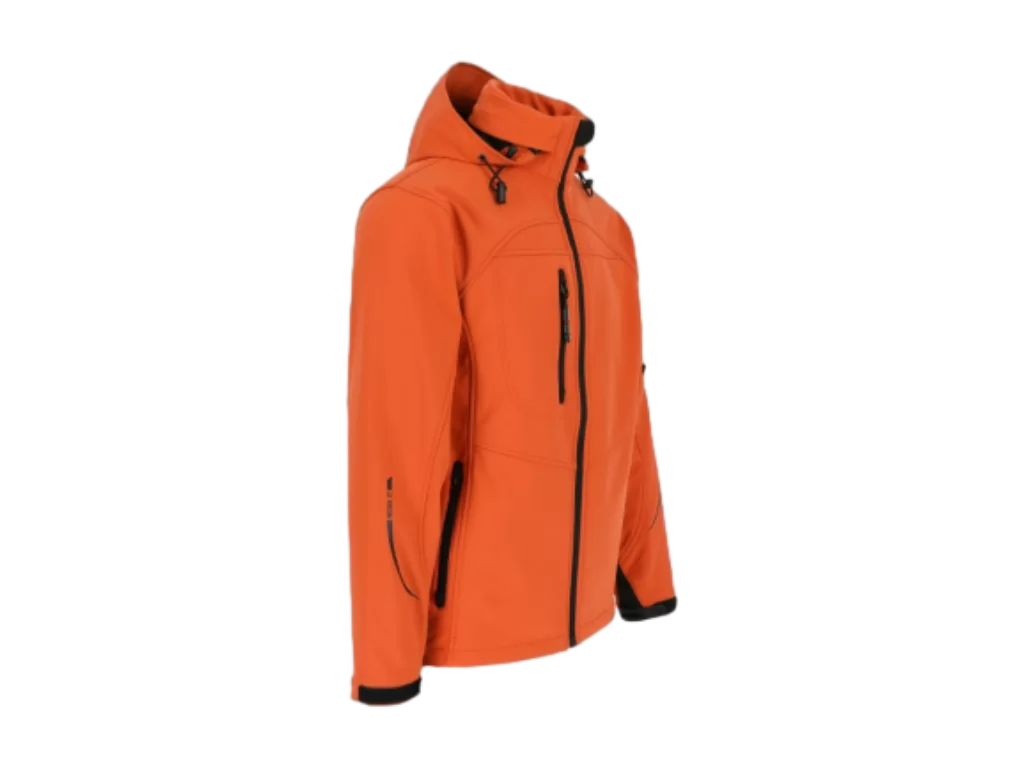
Key Features | Taped Seams, Helmet-compatible Hood, Pit Zips, Adjustable Cuffs | Zippered Pockets, Baffled Construction, Packable | Stretch Fabric, Windproof, Articulated Fit, Breathable Panels | Basic Pockets, Simple Cuffs, Everyday Styling |
Optimal Application | Skiing, Hiking, Heavy Rain, Snow Sports | Cold Dry Conditions, Urban Winter, Camping | High-output Activities, Mild Weather, Layering | School, Playgrounds, Mild Weather, Fashion |
Approx. Price Range (Wholesale) | $45 - $90+ | $35 - $75+ | $30 - $60+ | $15 - $40+ |
This comparison highlights that specialized jackets, while offering superior technical performance, come at a higher cost. Manufacturers specializing in performance outdoor wear often invest heavily in R&D and utilize patented technologies, which impacts their pricing structure. Conversely, brands focusing on everyday wear might prioritize cost-effectiveness and broader appeal, using more common materials and simpler construction. When choosing a manufacturer, evaluate their track record, certifications (e.g., Fair Trade, bluesign®), minimum order quantities (MOQs), and their ability to scale production while maintaining consistent quality. A critical aspect is to align the manufacturer's core competencies with the intended use and target market of the junior jackets, ensuring that the chosen partner can deliver products that meet both performance expectations and budgetary constraints.
The demand for personalization extends deeply into the junior apparel market, with customization solutions offering significant advantages for brands, teams, schools, and even large families. Moving beyond off-the-rack options, bespoke services allow clients to craft junior jackets that perfectly align with specific functional requirements, aesthetic preferences, and branding objectives. This flexibility is not merely about choosing a color; it encompasses a broad spectrum of modifications that can fundamentally alter the jacket's utility and appearance. For instance, a school might require jackets in specific institution colors, prominently featuring their emblem via embroidery or heat transfer. This not only fosters a sense of unity and identity among students but also provides practical benefits by making students easily identifiable during field trips or events. Sports teams often opt for custom jackets that reflect their team colors and logos, with the added benefit of individual player numbering or names, creating a professional and cohesive team image. Beyond branding, customization can delve into functional alterations. This could include specifying particular types of pockets (e.g., secure zippered pockets for devices, larger cargo pockets for outdoor gear), adding reinforced panels on high-wear areas like elbows or shoulders for increased durability, or even incorporating detachable hood or sleeve systems to enhance versatility across different weather conditions. Material upgrades are another common customization, such as opting for a higher waterproof rating, more breathable fabric, or a different type of insulation to suit a specific climate or activity level. Manufacturers offering robust customization programs typically provide a structured process, beginning with design consultation, where clients can articulate their vision and requirements. This moves into material selection, prototyping, and rigorous testing before full-scale production. The benefits are multifold: it allows for differentiation in a crowded market, ensures optimal functionality for specialized uses, and creates a stronger connection between the wearer and the garment. Furthermore, for corporate gifting or promotional events, custom junior jackets can serve as highly effective marketing tools, offering a tangible, long-lasting representation of a brand or initiative. The ability to tailor every aspect, from the initial fabric choice to the final zipper pull, transforms a standard garment into a purpose-built piece of apparel, maximizing its value and impact for the intended audience.
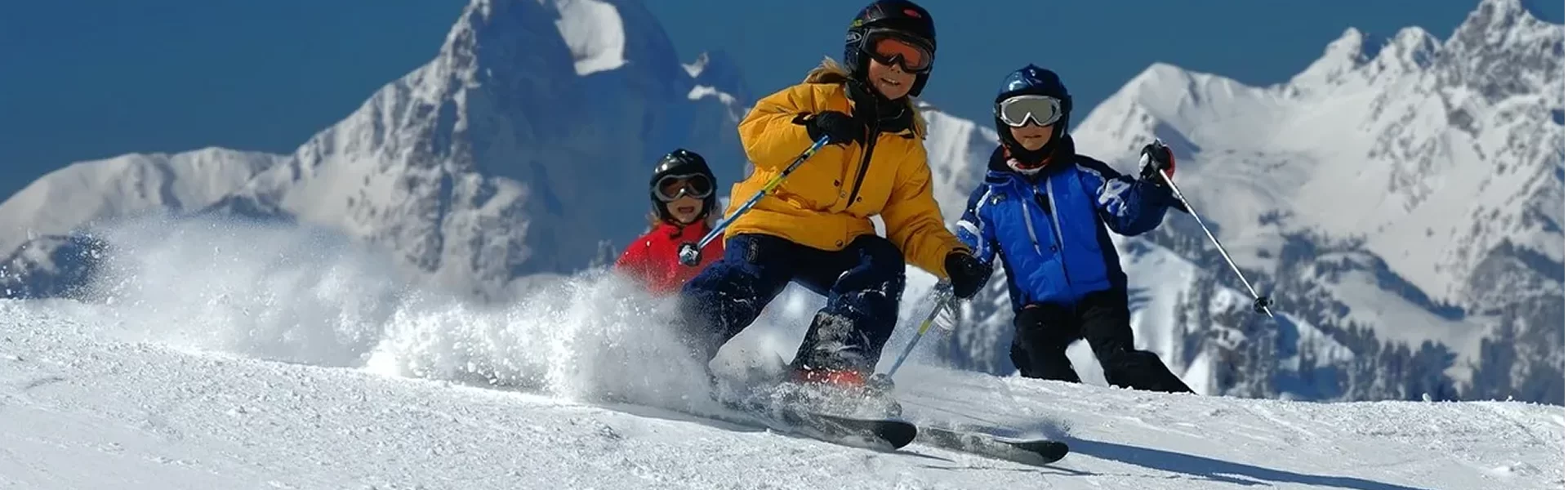
The versatility of modern junior jackets means they are no longer confined to a single purpose but rather serve a wide array of applications, proving indispensable across diverse environments and activities. From the casual warmth needed on a school playground to the rigorous demands of an alpine expedition, these garments are engineered to perform. Consider the typical use case for outdoor education programs. Here, junior jackets are critical pieces of equipment, providing protection against unpredictable weather for children engaging in hiking, camping, or environmental studies. A high-performance shell jacket, for instance, ensures students remain dry and comfortable during an unexpected rain shower, allowing them to focus on learning rather than discomfort. The durable construction is essential to withstand the wear and tear of active outdoor exploration, while features like reflective elements can enhance safety during twilight activities. Similarly, youth sports teams rely on junior jackets for both training and casual wear. During chilly morning practices or after-game cool-downs, an insulated jacket keeps athletes warm, aiding in muscle recovery and preventing illness. Customizable options allow teams to integrate their logos and colors, fostering team spirit and presenting a unified appearance. Beyond organized activities, junior jackets are integral to everyday school wear. A well-designed, comfortable jacket can serve as a primary outerwear piece for commuting, recess, and general daily activities, offering protection from wind and light precipitation. Fashion-conscious youth also leverage junior jackets as a key component of their personal style, with brands offering trendy designs, unique colorways, and contemporary cuts that appeal to aesthetic sensibilities while still providing functional benefits. For more specialized applications, think of ski lessons or junior climbing clubs. Here, technical jackets with advanced waterproofing, breathability, and specific features like powder skirts or harness-compatible designs are non-negotiable. They protect against extreme cold, snow, and wind, ensuring safety and comfort in challenging conditions, allowing young adventurers to push their limits. These application cases underscore the fundamental shift in junior jacket design philosophy: from simple coverings to sophisticated, multi-functional garments that support active, healthy lifestyles and cater to the specific needs of a highly dynamic demographic. The ability of a single garment to adapt to such a broad spectrum of uses highlights the intelligent design and material innovation embedded within the modern junior jacket, proving its enduring value and essential role in children's wardrobes globally.
The future of junior jacket production is inextricably linked with two critical pillars: relentless innovation and a steadfast commitment to sustainability. As consumer awareness regarding environmental impact and ethical sourcing continues to grow, manufacturers are being compelled to integrate eco-conscious practices throughout their supply chains, from material procurement to end-of-life considerations. A significant trend gaining momentum is the adoption of recycled and upcycled materials. For instance, polyester derived from post-consumer plastic bottles is now commonly used for outer shells and insulation, drastically reducing reliance on virgin petrochemicals. Companies are also exploring innovative bio-based materials, such as plant-derived polymers or natural fibers grown with minimal environmental impact, offering alternatives to traditional synthetics. The focus isn't just on raw materials; sustainable manufacturing processes are equally vital. This includes reducing water and energy consumption, minimizing chemical waste through bluesign® certified dyes and finishes, and implementing circular design principles that promote repairability and recyclability. Beyond materials and processes, the concept of smart textiles is emerging as a potential game-changer. While still in nascent stages for junior apparel, imagine jackets with integrated sensors that monitor body temperature, alerting parents to potential overheating or hypothermia, or fabrics that adapt to changing weather conditions. Reflective prints that become visible only in low light, offering enhanced safety without altering daylight aesthetics, are already a reality. Another evolving trend is modular design, where jackets are designed with interchangeable components (e.g., zip-in liners, detachable hoods) to extend their lifespan and adaptability, reducing the need for multiple single-purpose garments. This aligns perfectly with the desire for versatile, long-lasting products. Furthermore, transparency in the supply chain is becoming non-negotiable. Consumers want to know where their products come from, how they are made, and under what conditions. Brands that can openly communicate their ethical labor practices and environmental initiatives gain a significant competitive edge. The junior jacket of tomorrow will not only be more technologically advanced in terms of weather protection and comfort but also inherently more sustainable, reflecting a deeper commitment to planetary well-being. This convergence of innovation and responsibility will shape how junior jackets are designed, produced, and consumed, ensuring they meet the needs of both the wearer and the planet for generations to come.
Making an informed decision when selecting a Junior Jacket requires a careful balance of understanding specific needs, technical specifications, and budgetary considerations. With the breadth of options available, from specialized outdoor gear to stylish everyday wear, identifying the ideal garment for any child demands a methodical approach. First and foremost, consider the primary intended use. Is the jacket for daily school commute in mild weather, intensive outdoor sports in challenging conditions, or simply a fashionable layering piece? This will dictate the necessary level of waterproofing, insulation, and durability. For instance, a child participating in regular ski lessons will require a jacket with a high waterproof rating (e.g., 15,000mm+), robust insulation, and features like a powder skirt and helmet-compatible hood. Conversely, an everyday jacket for moderate climates might prioritize breathability and comfort over extreme weather protection. Next, delve into the material science. Research different types of insulation – synthetic fills offer warmth even when wet and are often more hypoallergenic, while down provides superior warmth-to-weight but can lose loft when damp. Understand fabric technologies like DWR (Durable Water Repellent) finishes and various membrane types that contribute to weather resistance and breathability. Pay close attention to construction details such as fully taped seams for waterproof integrity, durable YKK zippers for longevity, and reinforced stitching in high-stress areas. Ergonomics are equally vital; features like articulated sleeves, adjustable cuffs, and a well-fitting hood significantly enhance comfort and freedom of movement, crucial for active children. Don't overlook safety features such as reflective elements for visibility in low light, especially if the jacket will be used for commuting or outdoor evening activities. Finally, balance these technical requirements with aesthetic preferences and budget. While a high-performance jacket might represent a greater initial investment, its durability and versatility could offer better long-term value. Conversely, for occasional use or rapidly growing children, a more cost-effective option might be appropriate. Reading reviews, checking manufacturer certifications (e.g., for ethical production or material safety), and understanding warranty policies can provide additional assurance. Ultimately, the best Junior Jacket is one that perfectly aligns with the child's activities, provides optimal protection and comfort, and represents a considered choice that offers enduring utility and value, reflecting a discerning approach to youth apparel investment.
Q1: What are the key factors to consider when buying a junior jacket for outdoor sports?
A1: For outdoor sports, prioritize waterproofing (measured in mm), breathability (measured in g/m²/24h), insulation type and warmth, durability (abrasion resistance), and specific features like articulated sleeves, adjustable hoods, and reflective elements for safety. A good fit allowing for layering is also crucial.
Q2: How important is the DWR (Durable Water Repellent) finish on a junior jacket?
A2: DWR is very important as it causes water to bead up and roll off the fabric surface, preventing it from soaking in. This maintains the jacket's breathability and prevents it from feeling heavy. While DWR wears off over time, it can often be reapplied with specialized sprays.
Q3: What's the difference between synthetic insulation and down insulation for junior jackets?
A3: Down insulation (e.g., goose or duck down) offers superior warmth-to-weight ratio and compressibility but loses insulating power when wet. Synthetic insulation (e.g., PrimaLoft, Thinsulate) retains warmth even when damp, dries faster, is generally more hypoallergenic, and is often more affordable, though typically bulkier than equivalent warmth down.
Q4: How can I ensure a junior jacket will last through active use?
A4: Look for jackets made with robust outer fabrics (e.g., ripstop nylon, Cordura reinforcements), high-quality zippers (like YKK), reinforced stitching at stress points (shoulders, elbows), and durable hardware. Proper care and washing according to manufacturer instructions also significantly extend lifespan.
Q5: Are eco-friendly and sustainable junior jackets readily available?
A5: Yes, the market is increasingly offering sustainable options. Look for jackets made from recycled materials (e.g., recycled polyester), organic cotton, or those certified by standards like bluesign®, OEKO-TEX, or Global Organic Textile Standard (GOTS) for responsible manufacturing and material sourcing.
Q6: What does "waterproof rating" mean for a junior jacket, and what rating is sufficient?
A6: Waterproof rating, measured in millimeters (mm), indicates the height of a column of water the fabric can withstand before water begins to penetrate. For light rain, 5,000mm is often sufficient. For moderate to heavy rain or snow, 10,000mm to 20,000mm+ is recommended, especially for prolonged exposure or active use.
Q7: How do I choose the correct size for a growing child's junior jacket?
A7: Always refer to the manufacturer's sizing chart, as sizes can vary between brands. Measure the child's chest, waist, and sleeve length. It's often advisable to size up slightly to allow for growth and layering underneath, but avoid jackets that are excessively large as they can impede movement and warmth retention.
If you are interested in our products, you can choose to leave your information here, and we will be in touch with you shortly.