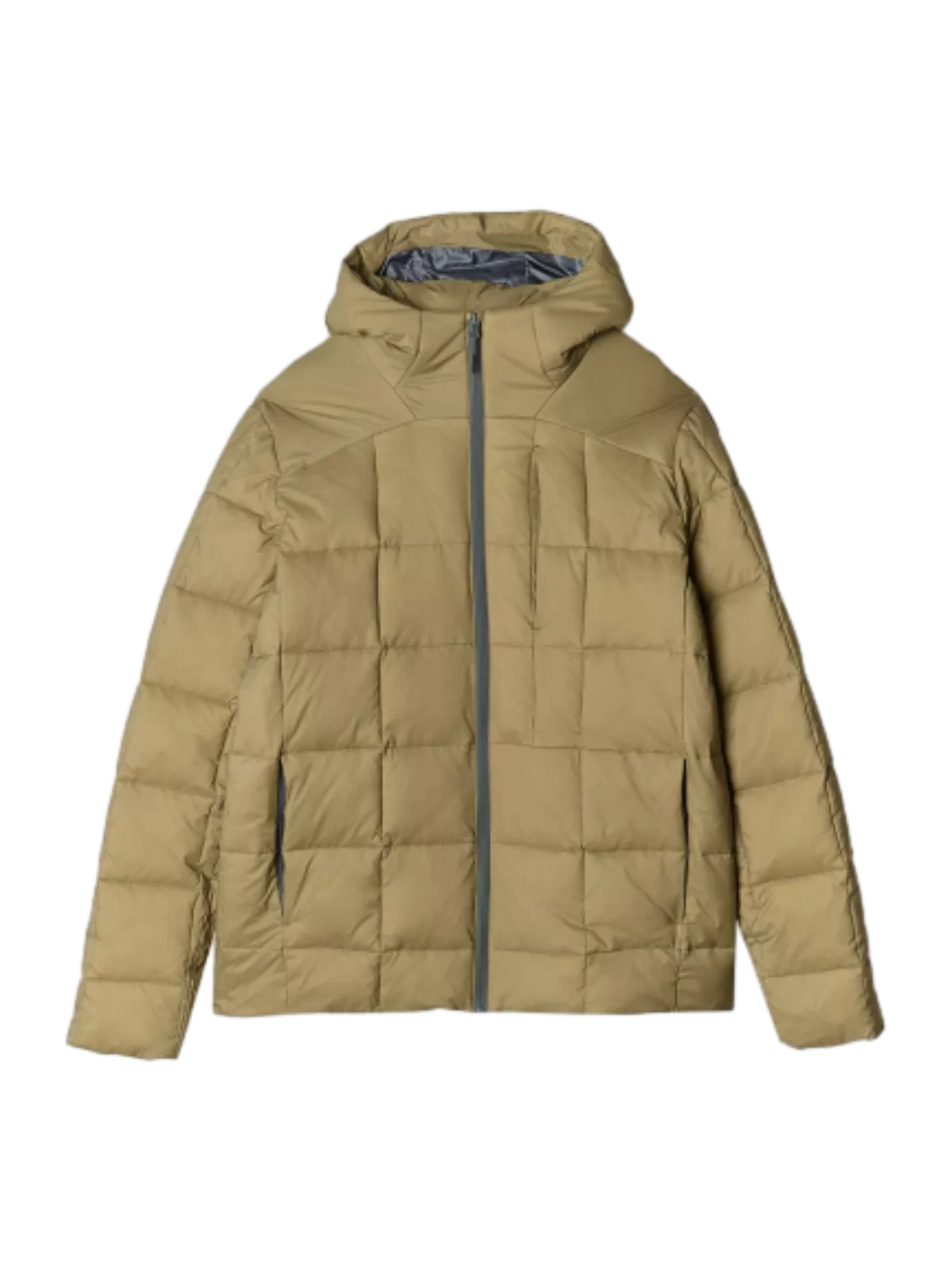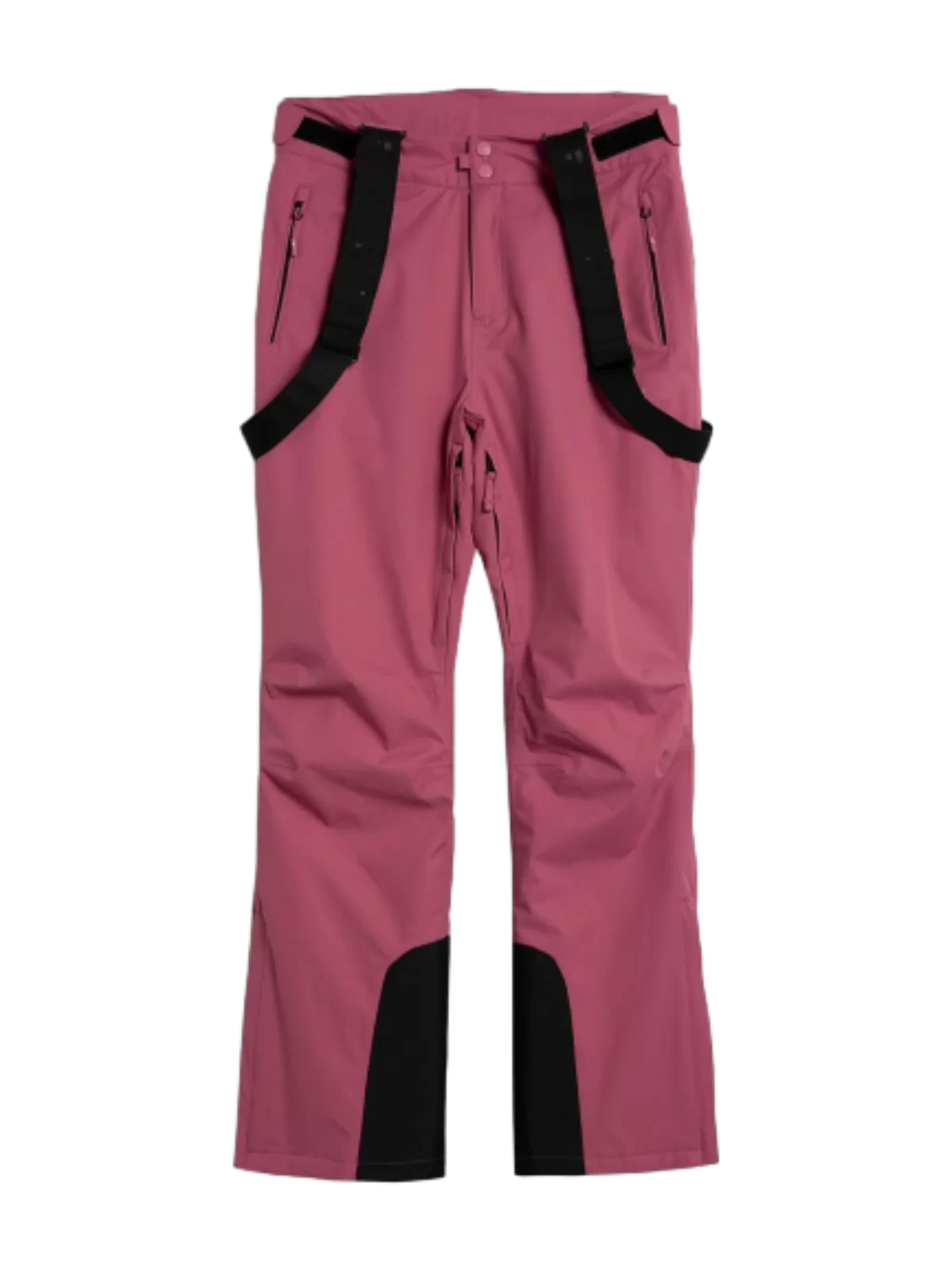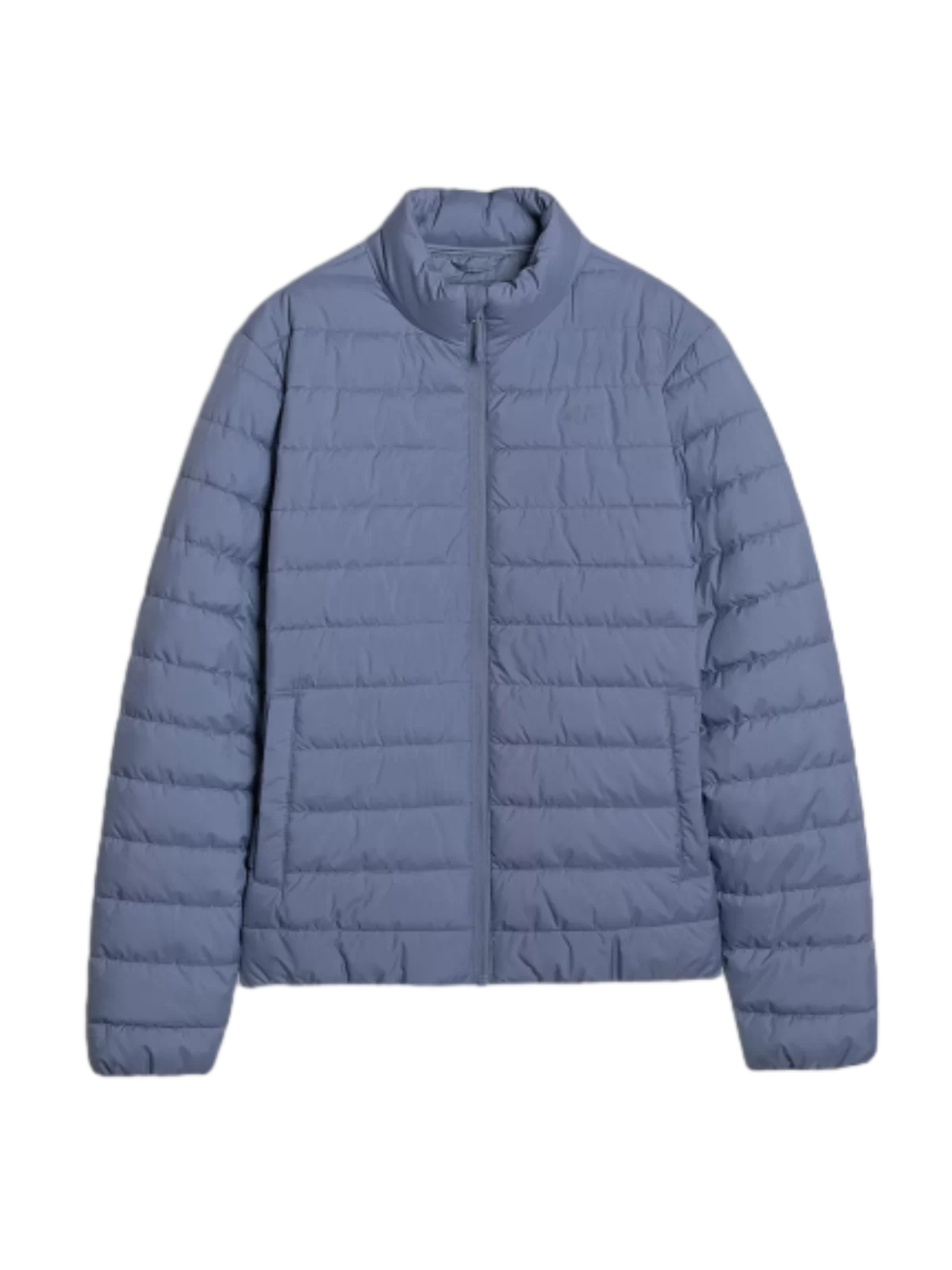
In a world increasingly demanding both peak performance and uncompromising comfort, the evolution of the Padding Wear jacket stands as a testament to human ingenuity. Far from being mere garments designed to ward off the chill, today's padded jackets represent a sophisticated fusion of material science, ergonomic design, and aesthetic appeal. From the treacherous peaks of the Himalayas to the bustling streets of metropolitan cities, these jackets have become indispensable companions, offering protection, warmth, and an often underestimated sense of security. The modern consumer, whether an intrepid adventurer, a dedicated professional working in demanding environments, or a style-conscious individual seeking urban comfort, expects more than just insulation; they seek a garment engineered for specific challenges and personal preferences. This deep dive aims to unravel the intricate layers of what makes a superior padding wear jacket, exploring the technological advancements, market forces, and customization options that define this essential piece of apparel in the 21st century. We will navigate through the core components that contribute to their effectiveness, dissect the competitive landscape of manufacturers, and illuminate the myriad ways these jackets are tailored and applied across diverse scenarios, ultimately affirming their critical role in both performance and everyday life.
The market for padded outerwear is not merely growing; it is undergoing a profound transformation driven by evolving consumer demands and technological breakthroughs. Recent industry analyses underscore this dynamic shift, revealing compelling statistics that highlight the imperative for manufacturers to innovate. For instance, reports indicate that the global insulated apparel market is projected to reach approximately $11.5 billion by 2027, growing at a compound annual growth rate (CAGR) of 6.2% from 2020. This robust growth isn't just about increased volume; it's about a fundamental change in what consumers value. Data from consumer surveys consistently shows that over 70% of buyers prioritize a jacket's warmth-to-weight ratio, signifying a strong demand for lightweight yet highly effective insulation. Furthermore, sustainability initiatives now influence over 60% of purchasing decisions, with consumers actively seeking jackets made from recycled materials, responsibly sourced down, or eco-friendly synthetic alternatives. The preference for multi-functional jackets capable of performing in various conditions—from extreme cold to mild, damp weather—has also surged, with approximately 55% of consumers willing to pay a premium for versatility. These figures are not abstract; they directly inform product development, driving manufacturers to invest heavily in advanced insulation technologies, durable and weather-resistant outer fabrics, and thoughtful design features that enhance user experience. The implication for both brands and buyers is clear: understanding these data-driven trends is paramount to navigating a market that increasingly values efficiency, ethical production, and adaptable performance above all else.
The true genius of a high-performance padded jacket lies beneath its surface, within a sophisticated interplay of cutting-edge materials and ingenious construction techniques. The core of any excellent jacket is its insulation, where advancements have been nothing short of revolutionary. Traditional natural down, celebrated for its unparalleled warmth-to-weight ratio, now comes with responsible sourcing certifications like the Responsible Down Standard (RDS), ensuring ethical practices. Alongside this, synthetic alternatives such as PrimaLoft, Thinsulate, and proprietary insulation blends have closed the performance gap, offering exceptional warmth even when wet—a critical advantage in damp climates. These synthetic fibers often mimic down’s loft and compressibility while providing hypoallergenic properties. The outer shell fabrics are equally critical, serving as the first line of defense against the elements. Technologies like Gore-Tex, Pertex Quantum, and various proprietary DWR (Durable Water Repellent) finishes are integrated to provide superior waterproofing, wind resistance, and breathability, allowing moisture vapor from within to escape while blocking external precipitation. Construction methods play a pivotal role too; baffle designs, for instance, are meticulously engineered to prevent insulation migration, ensuring even warmth distribution and eliminating cold spots. Stitch-through, box-wall, and welded baffle constructions each offer distinct advantages in terms of weight, warmth, and durability. Further technical advantages include strategically placed elasticated cuffs, adjustable hoods designed for helmet compatibility, robust YKK zippers for reliability, and reinforced stress points that enhance the jacket's overall longevity. These technical features are not isolated components but rather integrated elements working in concert, transforming a simple piece of clothing into a highly effective protective system engineered for diverse and challenging conditions.
Selecting the right padding wear jacket often involves navigating a complex landscape of manufacturers, each boasting unique technologies, philosophies, and target markets. To illustrate the diversity and help potential buyers make informed decisions, let's consider a comparative analysis of three hypothetical but representative manufacturers, highlighting their strengths across critical parameters. This comparison underscores how different brands prioritize specific features, material choices, and ethical considerations, directly impacting the jacket’s performance, durability, and value proposition.
Feature/Manufacturer | Apex Outerwear | Arctic Shield Pro | TerraFlex Gear |
Primary Insulation Type | 800-fill Power RDS Certified Goose Down | Proprietary Synthetic (e.g., "ThermoFill X") | Recycled Synthetic Fibers (e.g., PrimaLoft Eco) |
Outer Fabric Technology | Pertex Quantum Pro (DWR treated) | Gore-Tex Infinium (Windproof & Water-Resistant) | Repreve Recycled Nylon (PFC-free DWR) |
Target Application | Alpine Expeditions, Extreme Cold | Heavy-Duty Workwear, Urban Cold | Everyday Wear, Light Outdoor Activities |
Key Sustainability Initiatives | RDS Down, Fair Trade Certified Factory | Durable Construction for Longevity | 100% Recycled Materials, Closed-Loop Production Goals |
Price Range (Indicative) | $$$$ (Premium) | $$$ (Mid-to-High) | $$ (Mid-Range) |
Unique Selling Proposition | Maximal warmth-to-weight for critical warmth needs. | Exceptional durability and wet-weather performance. | Eco-conscious design with balanced performance. |
This table illustrates how a manufacturer like Apex Outerwear excels in providing ultra-lightweight, extreme-performance down jackets, ideal for professionals and enthusiasts facing severe cold where every gram counts. Arctic Shield Pro, on the other hand, might focus on robust synthetic insulation and highly durable outer shells, catering to industrial workers or urban dwellers needing resilient, weather-proof options. TerraFlex Gear might champion sustainability, utilizing recycled materials and eco-friendly processes without compromising on comfortable everyday performance. This differentiation allows consumers to align their specific needs—whether it's ultimate warmth, rugged durability, or environmental responsibility—with a manufacturer's core competencies.
Beyond off-the-rack offerings, the ability to customize a padding wear jacket unlocks unparalleled levels of performance and utility, especially for specialized applications or unique brand identities. Customization strategies allow clients to fine-tune every aspect of a jacket, ensuring it perfectly meets the specific demands of its intended environment and user. For organizations like search and rescue teams, scientific expeditions, or large corporations requiring branded uniforms, this bespoke approach is invaluable. The process often begins with the selection of insulation: clients can specify down fill power (e.g., 600, 700, 800-fill) and quantity for precise warmth requirements, or choose from a range of synthetic insulations optimized for wet conditions, durability, or hypoallergenic properties. Outer shell materials are another crucial customization point; options range from lightweight, tear-resistant ripstop nylon with DWR for high mobility, to heavy-duty, abrasion-resistant Cordura blends with advanced waterproof membranes for extreme industrial use. Furthermore, functional features can be tailored: specific pocket configurations (e.g., internal mesh pockets for goggles, external chest pockets for radios), specialized hood designs (helmet-compatible, removable, or adjustable), ventilation zippers (pit zips), and integrated reflective elements for enhanced visibility are all common requests. Branding opportunities extend beyond simple logos; custom colorways, unique stitching patterns, and bespoke hardware can reinforce a company's identity. While customization typically involves minimum order quantities (MOQs) and longer lead times compared to standard products, the resulting garment is precisely engineered for optimal performance, durability, and brand alignment, transforming a generic jacket into a purpose-built asset that provides superior comfort, safety, and operational efficiency.
The versatility of a well-engineered padding wear jacket is best illustrated through its widespread and critical applications across diverse sectors. These garments are not merely fashion statements; they are essential tools that enable productivity, ensure safety, and enhance comfort in some of the most challenging environments. Consider the realm of extreme mountaineering: an 800-fill power down jacket with a durable, water-resistant outer shell is not just preferred but mandatory for climbers on Everest or K2. In such cases, the jacket’s warmth-to-weight ratio directly impacts a climber’s endurance and survival, preventing hypothermia in sub-zero temperatures and high winds. Data from expedition logs frequently highlight the critical role of these jackets in successful summits and safe descents. Moving to industrial applications, cold storage facility workers, whose daily tasks involve prolonged exposure to temperatures as low as -20°C (-4°F), rely on heavy-duty, synthetic-insulated padding wear jackets. These jackets are often customized with high-visibility elements, reinforced elbow and shoulder patches for durability, and specialized pocket systems for tools, directly contributing to worker safety and efficiency. A large food distributor reported a 30% reduction in cold-related injuries and a 15% increase in productivity after outfitting its cold storage team with custom-designed, robust padded outerwear. In urban environments, the focus shifts slightly to lightweight, stylish yet warm options. Commuters in Nordic cities, for instance, choose jackets with advanced synthetic insulation that provides warmth without bulk, allowing for comfortable movement on public transport while protecting against biting winds. Even in the burgeoning outdoor photography and wildlife observation sectors, specialized padding wear jackets—often featuring silent fabrics and extra-large, easily accessible pockets for lenses and batteries—prove invaluable, allowing professionals to remain comfortable and focused during long hours in the field. These diverse application cases unequivocally demonstrate that the right padding wear jacket is a cornerstone of performance and well-being, directly contributing to positive outcomes across a spectrum of human endeavors.
As we look to the horizon, the trajectory of the Padding Wear jacket is one of relentless innovation, driven by an ever-increasing demand for garments that push the boundaries of comfort, performance, and environmental responsibility. The industry is poised for exciting developments, with research and development focusing on several key areas. Smart textiles, for instance, are on the cusp of revolutionizing insulation, potentially offering jackets with integrated heating elements that can be controlled via smartphone, or materials that dynamically adjust their thermal properties based on external temperature changes and the wearer's activity level. Breakthroughs in material science will continue to yield lighter, more compressible, and even more efficient insulation, both natural and synthetic, ensuring superior warmth-to-weight ratios. The drive for sustainability will also intensify, moving beyond simply using recycled content to embrace truly circular production models where jackets are designed for easy disassembly and complete material recovery at the end of their lifecycle. Advancements in bio-based materials and novel insulation from sources like aerogels or fungi are also emerging, promising unprecedented performance with minimal environmental impact. Furthermore, ergonomic design will become even more sophisticated, with 3D body mapping and motion analysis leading to jackets that offer unparalleled freedom of movement and a personalized fit. The integration of enhanced weather protection, such as self-healing fabrics or advanced membranes with even higher breathability, will become standard. Ultimately, the future of the padding wear jacket will be defined by its ability to seamlessly integrate cutting-edge technology with a profound commitment to planetary health, ensuring these essential garments continue to empower individuals to thrive in any environment, while contributing positively to a more sustainable world.
What is the primary difference between down and synthetic insulation in a padding wear jacket?
Down insulation (typically goose or duck feathers) offers superior warmth-to-weight ratio and compressibility, making jackets very light and packable. However, down loses its insulating properties significantly when wet. Synthetic insulation (e.g., PrimaLoft, Thinsulate) retains warmth much better when damp or wet, is hypoallergenic, and generally more affordable, though often heavier and bulkier for the same warmth level as high-quality down.
What does "fill power" mean for a down padding wear jacket?
Fill power measures the loft or fluffiness of down and is directly correlated to its insulating ability. A higher fill power (e.g., 800-fill) means a greater volume of air is trapped per ounce of down, resulting in more warmth for less weight and higher compressibility compared to lower fill power (e.g., 550-fill) down.
Are padding wear jackets suitable for wet weather conditions?
It depends on the jacket's design and materials. Many padding wear jackets feature a Durable Water Repellent (DWR) coating on the outer fabric, which helps shed light rain and snow. For sustained wet conditions, jackets with waterproof and breathable outer membranes (like Gore-Tex) or those using synthetic insulation (which performs better when wet) are more suitable. Down insulation needs robust waterproofing to maintain its performance.
How should I clean and care for my padding wear jacket to maintain its performance?
Always check the care label first. Generally, down jackets should be washed sparingly, using a specialized down cleaner (not regular detergent) on a gentle cycle with warm water, and tumble dried on low with dryer balls to restore loft. Synthetic jackets can often be machine washed with mild detergent. Avoid fabric softeners, bleach, and dry cleaning for most padded jackets, as these can damage insulation and DWR coatings.
What are "baffles" in a padding wear jacket and why are they important?
Baffles are the compartments or channels sewn into a padded jacket that hold the insulation (down or synthetic) in place. They prevent the insulation from shifting or clumping, ensuring an even distribution of warmth and preventing cold spots. Different baffle constructions (e.g., stitch-through, box-wall) impact warmth, weight, and packability.
Can a padding wear jacket be considered sustainable?
Many modern padding wear jackets are increasingly sustainable. This includes using recycled synthetic insulation and outer fabrics (e.g., from plastic bottles), responsibly sourced down (e.g., RDS certified), PFC-free DWR treatments, and ethical manufacturing practices. Some brands also offer repair services or take-back programs to extend product lifespan and promote circularity.
When should I choose a hooded padding wear jacket versus a non-hooded one?
A hooded padding wear jacket offers crucial extra warmth and protection for your head and neck in extreme cold, wind, or precipitation, and is often preferred for outdoor activities. A non-hooded jacket (or one with a removable hood) is typically lighter, more packable, and offers greater versatility for layering under a hard shell or for casual urban wear where head protection might not always be needed or might interfere with other headwear.

If you are interested in our products, you can choose to leave your information here, and we will be in touch with you shortly.