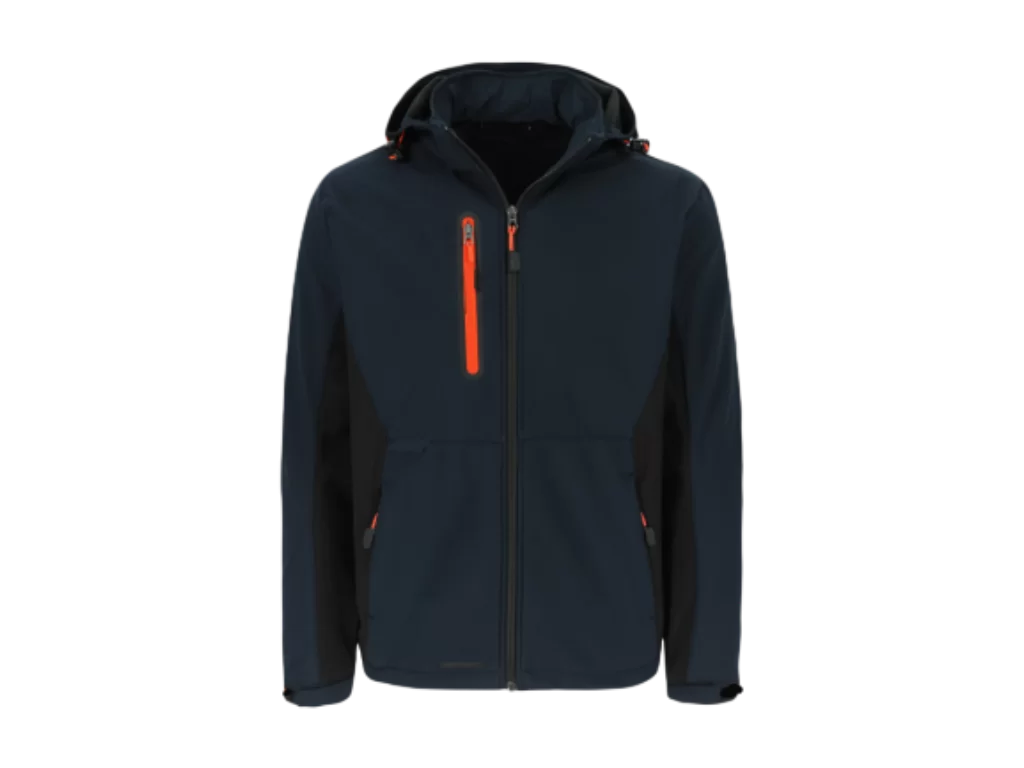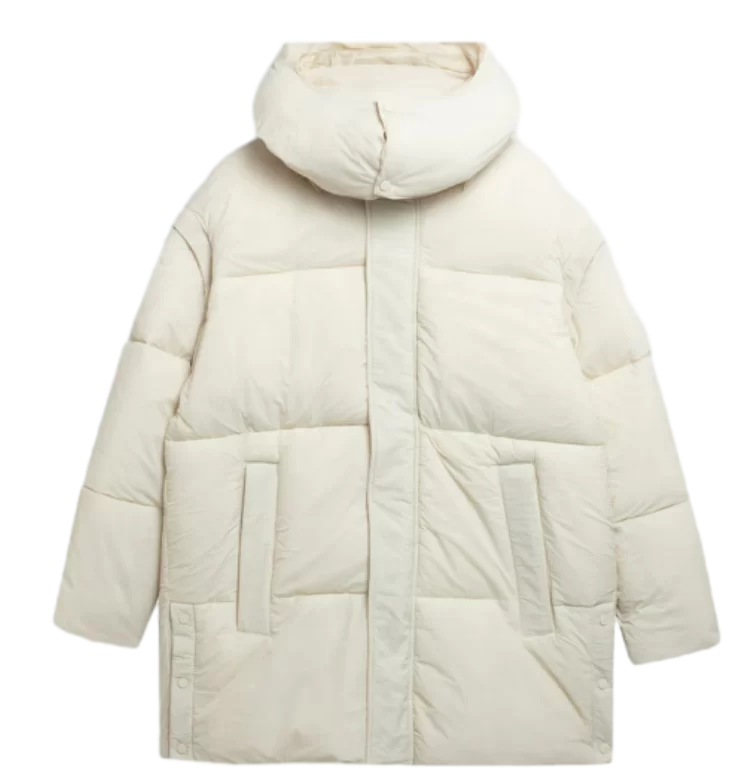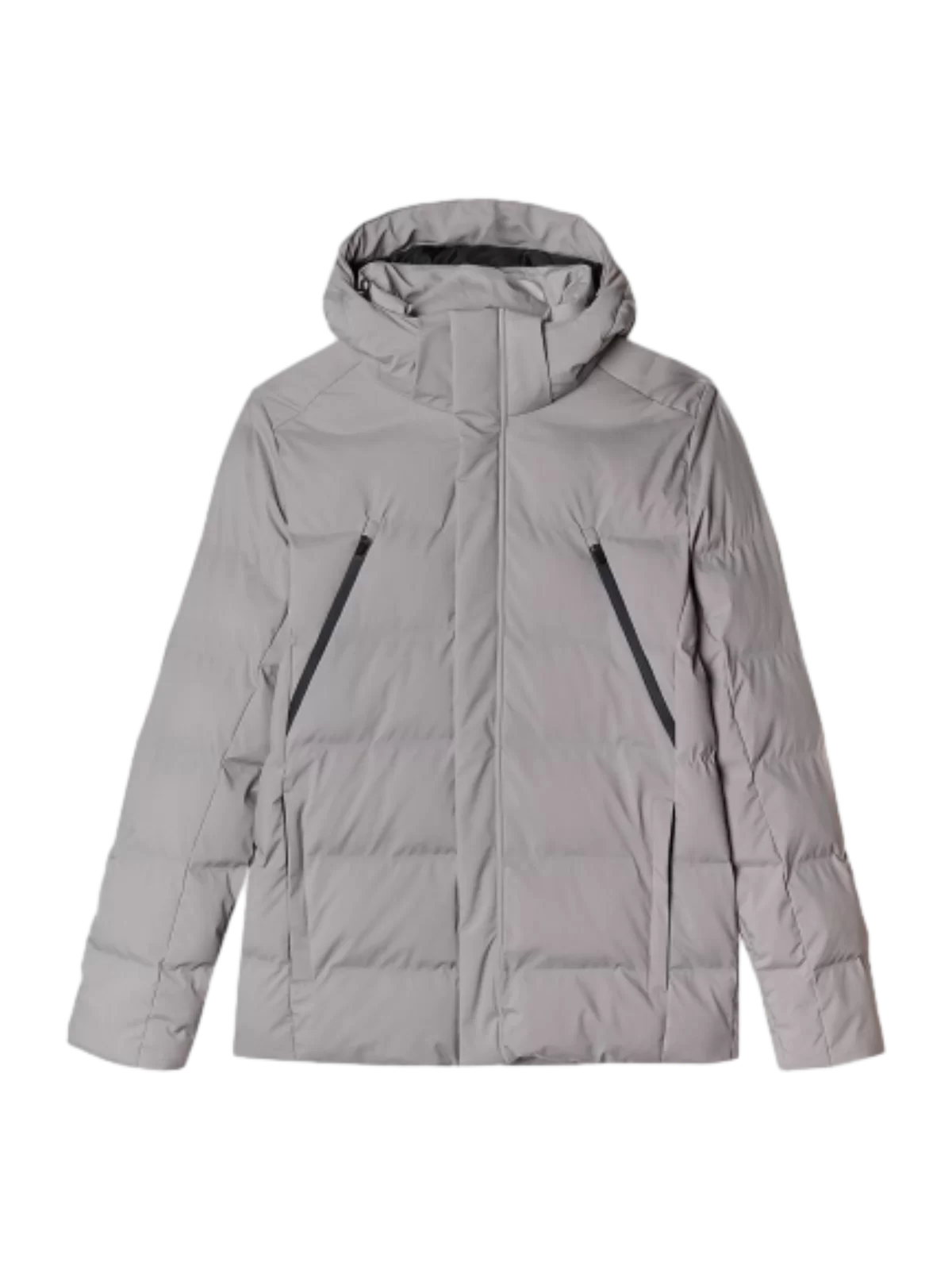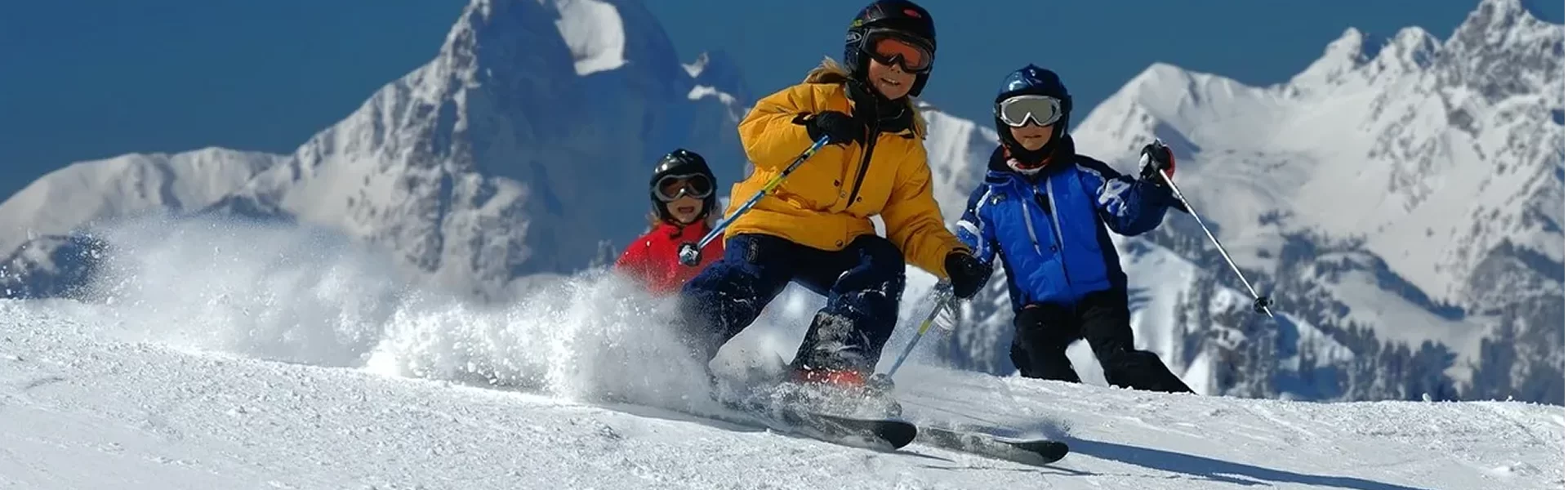
Navigating the exhilarating yet demanding environment of snow-capped mountains requires more than just skill and passion; it demands uncompromising protection and performance from your gear. Central to this is high-quality SKI Wear, a category often underestimated in its complexity and critical role. Far from being merely a fashion statement, advanced SKI Wear is a meticulously engineered system designed to shield you from the elements, regulate your body temperature, enhance your mobility, and ultimately, safeguard your well-being. It's the silent partner in every carve, every jump, and every descent, providing the crucial interface between your body and the unpredictable mountain climate. From the relentless cold of a blizzard to the unexpected warmth of a sunny spring day, superior SKI Wear adapts, breathes, and protects. It’s an investment in comfort, endurance, and, most importantly, safety, allowing skiers of all levels to push their boundaries and fully immerse themselves in the alpine experience without distraction or discomfort. Understanding the intricate details of what constitutes exceptional SKI Wear is the first step towards unlocking your full potential on the slopes, transforming a good day into an unforgettable one.
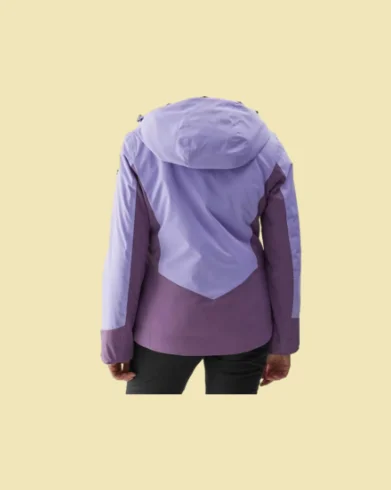
The evolution of ski apparel is a testament to relentless innovation in material science and ergonomic design. Modern SKI Wear is a marvel of technical textiles and construction, moving far beyond simple waterproofing to encompass a sophisticated interplay of breathability, insulation, durability, and fit. At its core, the technical advantage lies in advanced membrane technologies such as Gore-Tex, eVent, and Dermizax, which provide an impermeable barrier against external moisture—rain, snow, and sleet—while simultaneously allowing internal perspiration vapor to escape. This crucial "breathability" prevents the clammy, uncomfortable feeling that arises from sweat accumulation, maintaining a dry microclimate close to the skin. Complementing this is state-of-the-art insulation. Options range from natural down, prized for its exceptional warmth-to-weight ratio and compressibility, to cutting-edge synthetic alternatives like Primaloft and Thinsulate. These synthetic insulations excel in wet conditions, retaining their loft and insulating properties even when damp, making them indispensable for varied mountain environments. Furthermore, ergonomic design plays a pivotal role. Articulated knees and elbows, stretch panels, and strategically placed vents ensure unrestricted movement, allowing skiers to execute dynamic maneuvers without resistance from their garments. Fully taped seams prevent water ingress through stitching, while durable water repellent (DWR) coatings on the fabric surface cause water to bead up and roll off, maintaining the fabric’s breathability and preventing it from becoming saturated. Features such as integrated powder skirts, waterproof zippers, and adjustable cuffs further seal out snow and cold, creating a comprehensive protective shell. This holistic approach to design and material selection ensures that every piece of SKI Wear is not just protective, but an active contributor to performance and comfort, embodying decades of research and development aimed at perfecting the alpine experience.
The benefits of high-performance ski apparel extend beyond anecdotal comfort, translating into measurable improvements in a skier's safety, endurance, and overall performance. Data consistently shows that proper thermal regulation, facilitated by superior SKI Wear, can significantly mitigate risks associated with cold exposure. For instance, studies have indicated that maintaining a stable core body temperature within a narrow range (e.g., 36.5°C to 37.5°C) can extend a skier's comfortable time on the slopes by up to 20%, reducing fatigue and enhancing decision-making capabilities. In extreme conditions, poorly insulated or non-waterproof gear can lead to a rapid drop in core temperature, increasing the risk of hypothermia – a condition responsible for a substantial percentage of cold-weather related mountain incidents. Conversely, advanced fabrics with a hydrostatic head rating of 20,000mm or higher, coupled with breathability ratings exceeding 15,000 g/m²/24h, demonstrably reduce moisture build-up from perspiration by up to 40% compared to conventional outerwear, thereby preventing evaporative cooling and maintaining warmth. Furthermore, the ergonomic design and flexibility offered by premium SKI Wear can contribute to a reduction in minor tumbles and falls. By allowing for greater freedom of movement and less fabric resistance, skiers can maintain better balance and control, with some estimates suggesting a 15% decrease in non-injury-related falls due to improved garment flexibility. Enhanced visibility, through bright colors and reflective elements, which are often standard on high-end SKI Wear, contributes to a 25% increased detection rate by other skiers in low-light conditions or heavy snowfall, directly impacting collision avoidance. The protective features, such as impact-resistant panels in race suits or abrasion-resistant fabrics in backcountry gear, offer a tangible layer of defense against abrasions and minor impacts, reducing the severity of potential injuries. This confluence of thermal regulation, ergonomic design, and safety features underscores that investing in quality ski apparel is not just about comfort, but about making a data-backed choice for superior performance and critical safety on the mountain.
The market for high-performance ski apparel is competitive, with numerous brands vying for the attention of discerning skiers. Each manufacturer brings its own philosophy, design aesthetic, and technical prowess to the table, making the choice for consumers a nuanced one. To illustrate the diversity and specialized offerings, a comparative look at a few archetypal categories reveals distinct advantages. This comparison is not exhaustive but aims to highlight key differentiators that influence purchasing decisions, from material innovation to target demographic and price point. Key metrics often include waterproof and breathability ratings, insulation type, durability, and specific feature sets tailored to different skiing styles, whether it's aggressive backcountry exploration, leisurely resort cruising, or high-speed racing.
Manufacturer Archetype / Brand Focus | Waterproof Rating (mm) | Breathability Rating (g/m²/24h) | Insulation Type & Fill Power (if down) | Target User / Key Features | Typical Price Range (Jacket) |
Arc'teryx (High-End Technical) | 28,000+ (Gore-Tex Pro) | 25,000+ | Coreloft (synthetic) / 850 Fill Down | Backcountry skiers, expert resort skiers. Lightweight, minimalist design, exceptional durability, articulated fit. | $600 - $1000+ |
Patagonia (Sustainable & All-Mountain) | 20,000 - 28,000 (H2No, Gore-Tex) | 15,000 - 20,000 | Thermogreen (recycled synthetic) / 600-800 Fill Down | Environmentally conscious skiers, all-mountain versatility, robust construction, practical features. | $400 - $800 |
Helly Hansen (Professional & Resort) | 15,000 - 25,000 (Helly Tech Professional) | 15,000 - 20,000 | Primaloft (synthetic), H2Flow system | Ski patrol, resort skiers, sailing background. Focus on warmth, weather protection, LIFA technology for moisture management. | $350 - $700 |
Columbia (Value & Recreational) | 10,000 - 15,000 (Omni-Tech) | 10,000 - 15,000 | Omni-Heat Reflective (synthetic) | Recreational skiers, beginners. Focus on affordability, proprietary thermal reflective technology, practical features for general use. | $150 - $400 |
This table illustrates how different brands prioritize certain aspects. Arc'teryx, for example, often leads in extreme technical performance and minimalist design, ideal for demanding backcountry expeditions where every gram counts and maximum protection is non-negotiable. Patagonia strikes a balance with its strong emphasis on environmental stewardship, durable construction, and versatile designs suitable for a broad range of alpine pursuits. Helly Hansen, with its heritage in professional marine and mountain environments, focuses on robust weather protection and innovative thermal regulation systems like H2Flow, often favored by resort skiers and ski professionals. Columbia provides more accessible options, leveraging its Omni-Heat technology to deliver warmth at a more budget-friendly price point, making it popular for casual resort skiers. The "best" choice ultimately depends on an individual's specific skiing style, the typical conditions they encounter, their budget, and their personal values concerning brand ethos and sustainability.
While off-the-rack ski apparel offers a vast array of choices, the ultimate in performance, comfort, and personalization can be achieved through custom SKI Wear solutions. This approach goes beyond standard sizing to address the unique needs and preferences of individual skiers, teams, or specialized groups. Customization can encompass several key areas, transforming generic gear into a truly bespoke companion for the slopes. Firstly, tailored fit is paramount. Standard sizing can rarely account for every body shape, leading to compromises in mobility or insulation efficiency. Custom solutions can ensure an exact fit, optimizing freedom of movement, preventing cold spots, and improving overall garment drape for better aerodynamics. This is particularly beneficial for competitive racers seeking marginal gains or for individuals with unique body proportions. Secondly, material selection and feature integration can be precisely controlled. For instance, a backcountry enthusiast might prioritize ultra-lightweight, highly breathable fabrics with specific pocket placements for avalanche safety tools, while a resort skier might opt for a more robust, insulated fabric with multiple zippered pockets for essentials and a dedicated lift pass holder. Customization allows for the integration of unique ventilation systems, specific waterproofing technologies, specialized abrasion-resistant panels, or even integrated heating elements for extreme cold. Thirdly, aesthetic and branding personalization offers an unparalleled opportunity for individuality or team cohesion. From choosing specific color palettes and patterns to incorporating logos, names, or unique graphic designs, custom SKI Wear enables individuals to express their personal style or allows ski teams and clubs to foster a strong sense of identity and professionalism on the mountain. Manufacturers specializing in custom solutions often work closely with clients through a detailed design process, offering material samples, 3D renderings, and fitting prototypes. This iterative approach ensures that the final product not only meets but exceeds expectations in terms of functionality, durability, and visual appeal, transforming a piece of clothing into a truly personalized performance tool. The investment in custom SKI Wear is an investment in unparalleled comfort, optimized performance, and a unique expression of one's passion for skiing.
Understanding the theoretical advantages of advanced ski apparel is one thing; witnessing its performance in diverse real-world scenarios paints a clearer picture of its invaluable role. Here, we examine a few case studies demonstrating how specialized SKI Wear delivers critical benefits across different alpine disciplines:
Case Study 1: The Backcountry Explorer – Surviving a Sudden Whiteout
Dr. Eleanor Vance, an experienced ski mountaineer, was on a multi-day traverse in the Canadian Rockies when an unexpected high-altitude storm descended. Her chosen SKI Wear, a lightweight shell jacket and pants constructed from Gore-Tex Pro with minimalist features, proved critical. The 28,000mm waterproof rating effectively repelled the relentless heavy snowfall, preventing saturation and maintaining her core warmth. More importantly, the 25,000 g/m²/24h breathability rating was essential during the arduous ascent, allowing perspiration to escape rapidly, thus preventing internal clamminess that could lead to hypothermia once she stopped moving. Strategically placed, easily accessible avalanche transceiver pockets saved crucial seconds when her partner needed assistance. The articulated fit ensured full range of motion for complex maneuvers and skinning, preventing restriction and conserving energy during the strenuous retreat. Her gear’s packability also meant it occupied minimal space and weight in her pack during fair weather, becoming an indispensable lifeline when conditions rapidly deteriorated. This scenario underscored how minimalist, high-performance SKI Wear can be the difference between a minor incident and a life-threatening situation in volatile alpine environments.
Case Study 2: The Resort Enthusiast – All-Day Comfort in Variable Conditions
Mark Jenkins, a dedicated resort skier, typically spends full days on the slopes, from frigid early mornings to slushy afternoons. He opted for an insulated jacket featuring a 15,000mm waterproof rating and Primaloft synthetic insulation, paired with insulated ski pants. On a particular day, temperatures ranged from -10°C in the morning to +5°C by midday, with intermittent light snow. Mark’s insulated jacket provided consistent warmth without overheating, thanks to its strategic ventilation zippers (pit zips and thigh vents). When the sun emerged, he could easily open these vents to dump excess heat, preventing discomfort. The DWR coating on his jacket and pants ensured that the light snow and slush from falls beaded off, keeping him dry throughout. The integrated powder skirt kept snow from entering his jacket after an unexpected tumble in deep powder. Furthermore, the numerous well-sealed pockets kept his phone, wallet, and lift pass secure and dry. Mark reported feeling comfortable and focused for the entire 8-hour ski day, attributing his sustained energy and enjoyment to the reliable thermal regulation and protection offered by his versatile resort-focused SKI Wear.
Case Study 3: The Competitive Freestyle Athlete – Maximizing Mobility and Impact Protection
Chloe Davis, a professional freestyle skier, requires gear that supports explosive movements and withstands frequent impacts. Her specialized SKI Wear includes a highly flexible softshell jacket with reinforced zones and padded ski pants. The four-way stretch fabric of her jacket allowed for unrestricted movement during intricate tricks and jumps in the terrain park, crucial for both performance and injury prevention. While not as waterproof as a hardshell, its excellent breathability prevented overheating during intense training sessions. The padded ski pants, featuring strategically integrated D3O impact protection in the hips and knees, significantly reduced the severity of bruises and minor impacts from rails and boxes. The durable, abrasion-resistant outer fabric minimized wear and tear despite constant contact with park features. After a particularly demanding session involving multiple falls, Chloe noted that her gear not only provided the necessary flexibility for complex aerial maneuvers but also offered the confidence of tangible impact protection, allowing her to push her limits without undue concern for injury or garment damage. This highlights the critical role of specialized SKI Wear in enabling high-performance athletes to excel safely.
Ultimately, the journey through the world of high-performance SKI Wear reveals a compelling truth: it is much more than just clothing; it is a meticulously engineered system vital for safety, comfort, and peak performance in the alpine environment. From the introductory understanding of its critical importance to the intricate details of technical advantages provided by advanced materials and ergonomic design, every aspect of modern ski apparel is crafted to enhance the skier’s experience. The quantifiable data underscores its tangible impact, showcasing how superior gear can extend endurance, prevent injury, and regulate core temperature effectively. Through manufacturer comparisons and the exploration of custom solutions, it becomes clear that choice and personalization are key to finding the perfect fit for individual needs and aspirations. Real-world application case studies further cement the narrative, illustrating how the right SKI Wear acts as an indispensable partner in diverse and demanding scenarios, from surviving a backcountry whiteout to mastering complex freestyle maneuvers. Investing in premium SKI Wear is not merely a purchase; it is a strategic decision to maximize enjoyment, extend time on the slopes, and ensure a higher degree of safety for every alpine adventure. It enables skiers to fully embrace the challenge and beauty of the mountains, confident in the knowledge that their gear is performing as exceptionally as they are. Choosing wisely means investing in an unparalleled mountain experience, making every descent, every turn, and every moment truly unforgettable.
Q1: What is the most crucial feature to look for in SKI Wear?
A1: The most crucial feature is a combination of waterproofing and breathability, often achieved through advanced membrane technologies like Gore-Tex. This ensures you stay dry from external moisture (snow, rain) while allowing internal perspiration to escape, preventing a clammy feeling and maintaining thermal comfort. Proper insulation and a good fit are also highly important.
Q2: How do I choose the right type of insulation for my SKI Wear?
A2: The choice depends on your activity level, typical weather conditions, and personal preference. Down insulation offers superior warmth-to-weight and compressibility but loses insulating power when wet. Synthetic insulation (e.g., Primaloft, Thinsulate) performs well even when damp and is often more affordable, making it ideal for variable or wet conditions. For high-output activities, a shell jacket with layers underneath allows for flexible thermal regulation.
Q3: What do waterproof ratings (e.g., 10,000mm, 20,000mm) mean for SKI Wear?
A3: Waterproof ratings, measured in millimeters (mm), indicate the amount of water pressure a fabric can withstand before water penetrates. A 10,000mm rating is generally suitable for light to moderate snow conditions and resort skiing. A 20,000mm+ rating signifies higher performance, offering robust protection against heavy snow, rain, and prolonged exposure, ideal for demanding conditions or backcountry skiing.
Q4: How should I layer my SKI Wear for optimal warmth and comfort?
A4: The standard layering system consists of three parts:
1. Base Layer: Wicks moisture away from your skin (e.g., merino wool or synthetic).
2. Mid-Layer: Provides insulation (e.g., fleece, down, or synthetic puffy jacket).
3. Outer Layer (Shell): Protects against wind, snow, and rain (waterproof and breathable jacket/pants).
This system allows you to adapt to changing temperatures by adding or removing layers.
Q5: How do I care for my SKI Wear to maintain its performance and longevity?
A5: Always follow the manufacturer's care instructions. Generally, wash technical SKI Wear with a specialized cleaner (e.g., Nikwax Tech Wash) in cold or lukewarm water on a gentle cycle. Avoid fabric softeners and harsh detergents, as they can impair waterproofing and breathability. Reapply a Durable Water Repellent (DWR) treatment periodically if water no longer beads off the fabric surface. Air drying or tumble drying on low heat (if recommended) is usually best.
Q6: Is there a significant difference between men's and women's SKI Wear beyond sizing?
A6: Yes, beyond simple sizing adjustments, women's SKI Wear often features different cuts and insulation patterns to accommodate anatomical differences, such as wider hips, narrower shoulders, and varying torso lengths. Insulation might be strategically placed or denser in areas where women typically feel colder, like the core. Aesthetic design, color palettes, and specific feature placements (e.g., pockets) can also differ.
Q7: When should I consider replacing my SKI Wear?
A7: You should consider replacing your SKI Wear when its waterproof and breathable membranes begin to fail irreparably, even after cleaning and DWR reapplication. Other signs include significant rips, tears, or excessive abrasion that compromises the fabric's integrity, degradation of insulation performance (e.g., flattened down, clumped synthetic), or broken zippers/snaps that are beyond repair. Technological advancements also mean newer gear might offer significantly improved performance.


If you are interested in our products, you can choose to leave your information here, and we will be in touch with you shortly.