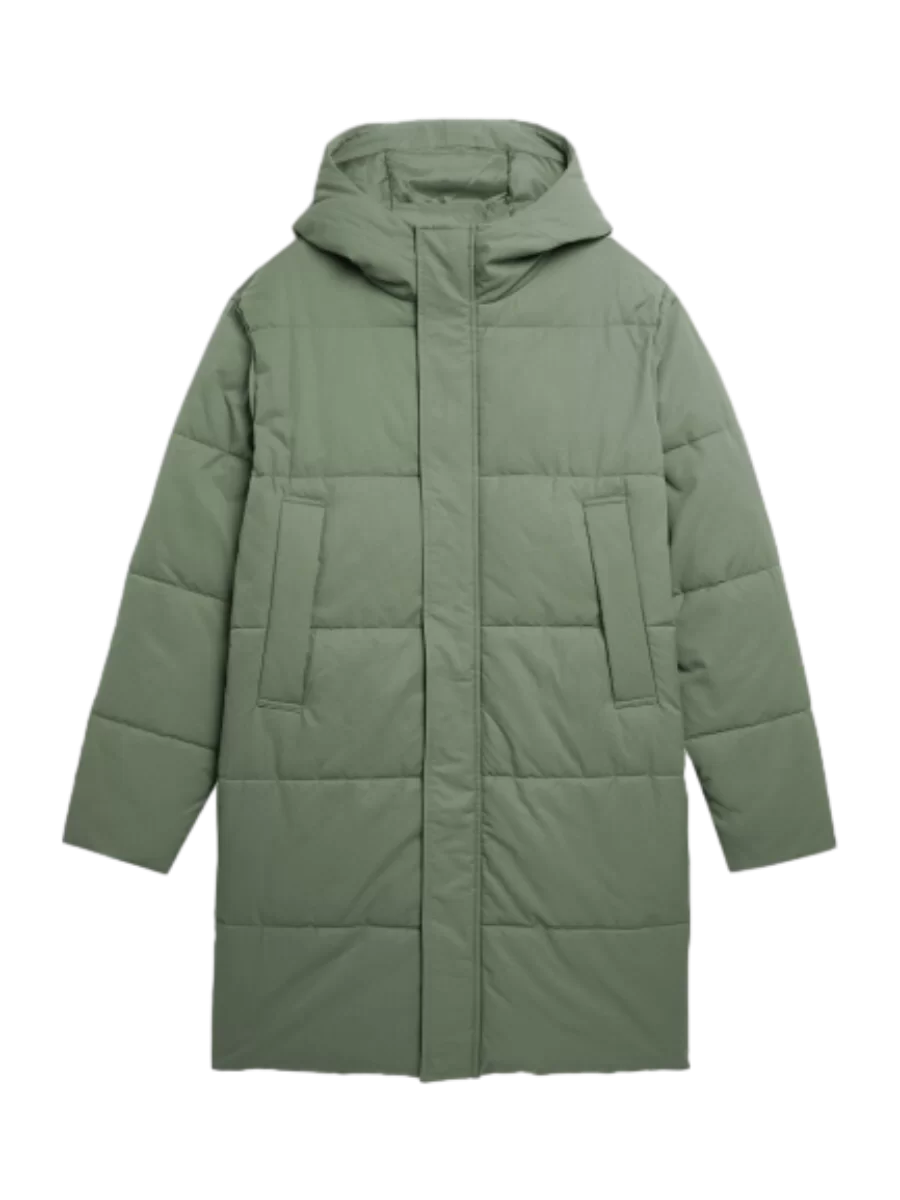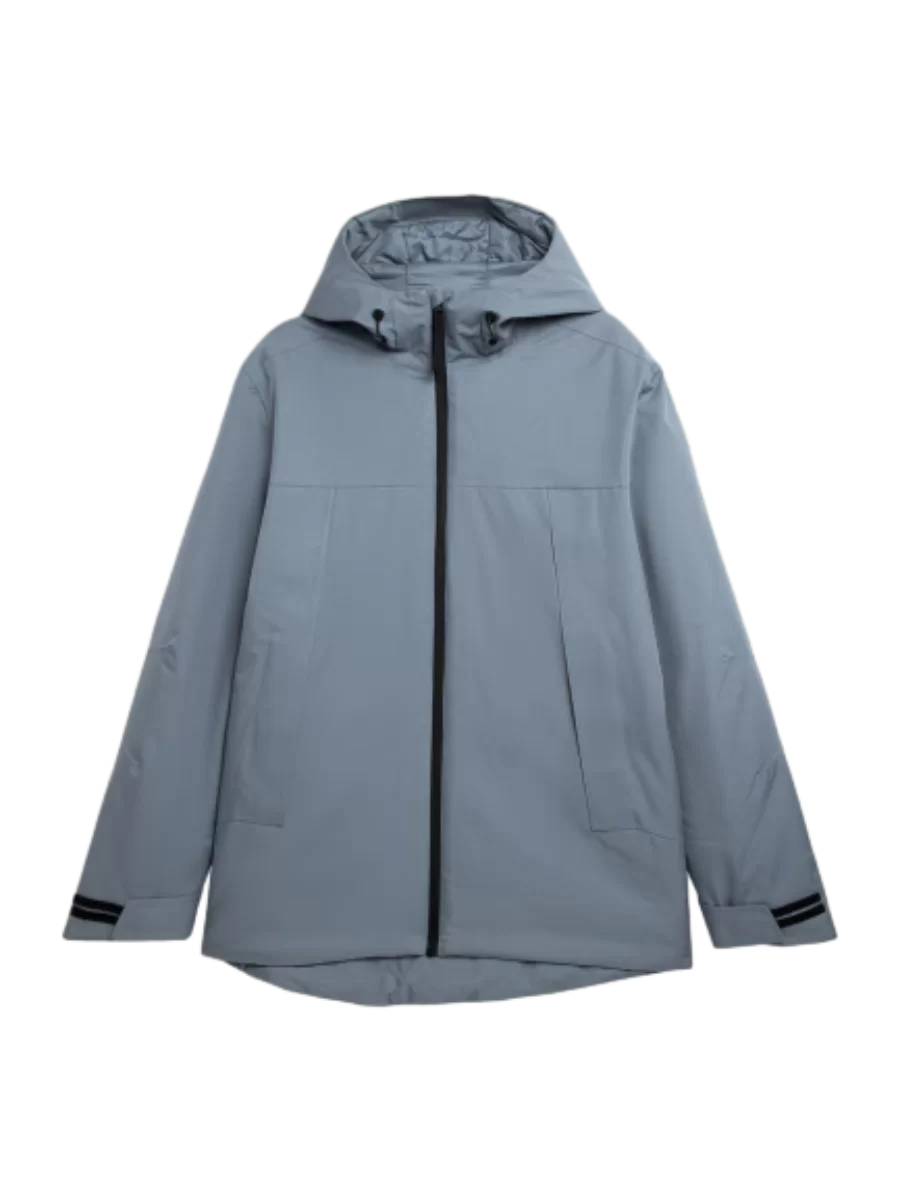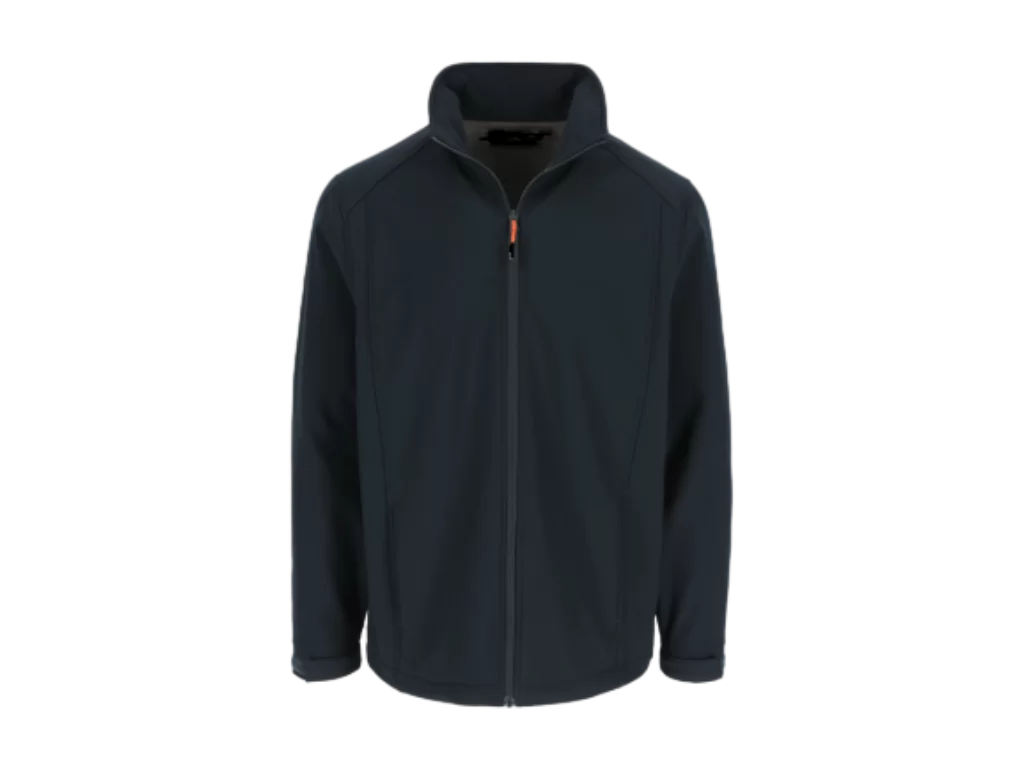
The fleece jacket stands as an undisputed champion in the realm of versatile outerwear, a testament to intelligent material science meeting everyday utility. From its humble beginnings as a synthetic alternative to wool, it has evolved into a ubiquitous garment found in nearly every wardrobe, from the highest mountain peaks to the bustling urban jungle. Its remarkable ability to provide warmth without bulk, combined with an inherent durability and ease of care, has cemented its status as a foundational piece for outdoor enthusiasts, casual wearers, and professionals alike. The journey of the fleece jacket is one of constant innovation, driven by a global demand for comfort and performance in a variety of environments.
Invented in 1979 by Malden Mills (now Polartec), fleece was initially conceived to mimic wool's insulating properties while overcoming its drawbacks like weight, water absorption, and slow drying time. The result was a revolution: a fabric that was not only incredibly warm and lightweight but also hydrophobic, breathable, and remarkably soft against the skin. This unique combination quickly propelled the fleece jacket from a niche outdoor product to a mainstream essential. Its market impact is undeniable; for instance, the global outdoor apparel market, where fleece jackets play a significant role, was valued at approximately $14.5 billion in 2022 and is projected to exceed $22 billion by 2030, underscoring the sustained consumer interest in high-performance and comfortable layering solutions. This growth is fueled by an increasing participation in outdoor activities and a general shift towards casual, functional clothing. The fleece jacket, in its various iterations, continues to be a cornerstone of this expanding market, adapting to new trends while retaining its core attributes of warmth, comfort, and enduring practicality.
At the heart of every quality fleece jacket lies sophisticated textile engineering, primarily involving polyester fibers. These fibers are knitted and then brushed, a process known as 'napping,' which creates a soft, plush surface composed of countless tiny air pockets. It is these air pockets that are responsible for fleece's exceptional insulating properties. They trap warm air close to the body, preventing heat loss, much like an animal's fur. However, unlike natural fibers, polyester is inherently hydrophobic, meaning it resists absorbing water. This characteristic is crucial, as wet insulation dramatically loses its effectiveness. Consequently, fleece jackets retain much of their insulating power even when damp and dry exceptionally quickly, a significant advantage in unpredictable weather conditions.
Beyond basic insulation, modern fleece materials incorporate an array of technical advantages designed to enhance wearer comfort and performance. The warmth-to-weight ratio of fleece is unparalleled, offering substantial thermal protection for minimal bulk and weight, making it ideal for layering and packing. Breathability is another key feature, allowing moisture vapor (sweat) to escape from the body, preventing clamminess during strenuous activities. Many advanced fleeces feature a grid construction or channel patterns, which further optimize breathability and moisture-wicking by creating more surface area for evaporation and directing moisture away from the skin. Some high-performance fleeces are treated with durable water repellent (DWR) finishes to offer a degree of protection against light rain or snow, though fleece is not inherently waterproof. Anti-pilling treatments are also common, designed to maintain the fabric's smooth appearance and structural integrity over time, resisting the formation of unsightly fabric balls. From microfleece for lightweight warmth to high-loft fleece for maximum insulation and wind-resistant variations, the technological advancements ensure that a fleece jacket can be tailored precisely to specific environmental demands and user needs, offering a compelling blend of comfort, resilience, and functional superiority.
The market for fleece jackets is incredibly diverse, with manufacturers offering a wide spectrum of products ranging from budget-friendly options to highly specialized technical garments. Understanding these differences is crucial for consumers seeking the ideal balance of performance, durability, and value. Key differentiators often include the type of fleece material used (e.g., proprietary fabrics like Polartec Power Grid vs. generic polyester fleece), the jacket's construction quality, the inclusion of additional features, and the brand's overall commitment to sustainability and ethical production. High-end brands typically invest more in research and development, resulting in lighter, warmer, more breathable, and more durable fabrics, often with advanced moisture management or wind-resistance properties. Conversely, more affordable options may use simpler fleece constructions that offer adequate warmth but might lack some of the sophisticated performance features or longevity.
When comparing manufacturers, it's beneficial to consider their primary focus. Some brands excel in creating ultra-lightweight performance fleeces for demanding outdoor activities, prioritizing maximum breathability and packability. Others might focus on robust, durable fleeces designed for workwear or prolonged casual use, emphasizing longevity and resistance to abrasion. Sustainability is also a growing factor, with many brands now offering fleece jackets made from recycled polyester or incorporating environmentally conscious manufacturing processes. The choice ultimately depends on the intended application, budget, and personal priorities regarding features and brand values. The following table provides a generalized comparison across different types of fleece jackets and their typical characteristics:
Characteristic | Performance Outdoor Brand | Sustainable Lifestyle Brand | Budget-Friendly Option | Workwear/Durable Brand |
Primary Material | Polartec Power Grid, proprietary tech fleece | Recycled Polyester, organic cotton blends | Standard polyester fleece (100-200 GSM) | Heavy-duty polyester fleece (250-300+ GSM) |
Warmth-to-Weight Ratio | Excellent (high insulation, very light) | Good (balanced for daily use) | Fair to Good (can be bulky) | Good (heavy, but very warm) |
Breathability | Very High (designed for activity) | Moderate to High | Moderate | Moderate (focus on durability) |
Durability | High (abrasion-resistant panels) | Good (focus on longevity) | Moderate (pilling can occur) | Very High (rugged construction) |
Key Features | Moisture-wicking, stretch, articulated fit, DWR, thumb loops | Comfort fit, eco-friendly dyes, ethical sourcing, unique designs | Basic pockets, zipper closure, simple design | Reinforced elbows/shoulders, multiple utility pockets, heavy-duty zippers |
Typical Price Range | $$$ - $$$$ | $$ - $$$ | $ - $$ | $$ - $$$ |
Target User | Hikers, climbers, skiers, trail runners | Eco-conscious urban dwellers, casual adventurers | Everyday casual wear, light activities | Tradespeople, outdoor laborers, rugged casual use |
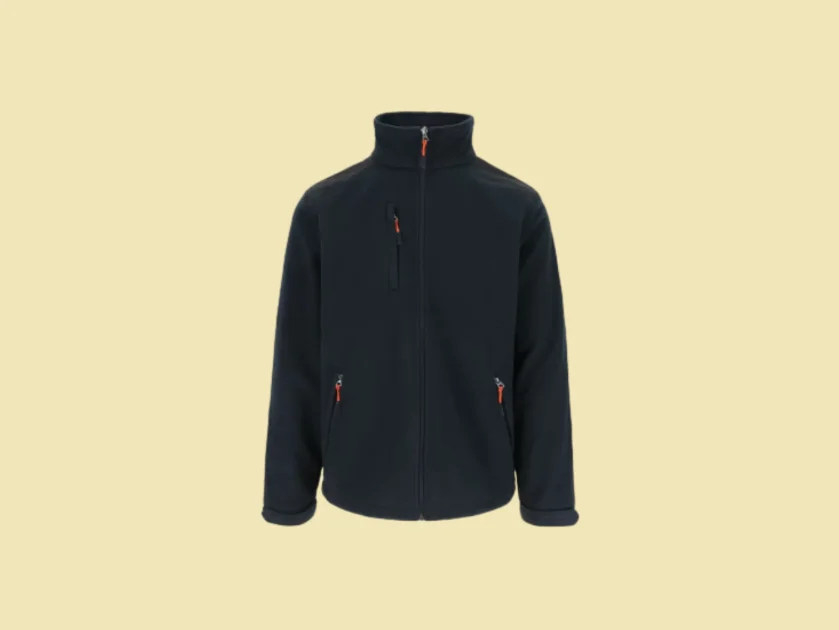
One of the significant advantages of fleece jackets, particularly for organizations, teams, or individuals seeking unique style, is the extensive range of customization solutions available. These options transform a standard garment into a personalized statement or a cohesive brand uniform, enhancing identity and functionality. For businesses, schools, or sports clubs, customizing fleece jackets offers an excellent opportunity for branding. Embroidery is a popular choice, providing a high-quality, durable application for logos, names, or emblems on the chest, sleeve, or back. It offers a professional and sophisticated look that withstands repeated washing and wear. Screen printing is another viable option for larger, more intricate designs or when vibrant, cost-effective branding is required for a substantial quantity of jackets, though its durability might vary depending on the quality of application.
Beyond branding, customization extends to the very design and features of the jacket. Many manufacturers offer a spectrum of color choices, allowing for brand-specific hues or personal preference. Furthermore, the fit can be customized: options range from athletic and slim-fit designs, ideal for active use, to more relaxed or regular fits for everyday comfort. Specific features can also be added or modified, such as incorporating a hood for extra weather protection, adding internal or external pockets for enhanced utility (e.g., zippered hand pockets, chest pockets for media devices), or integrating thumb loops for better sleeve coverage and warmth. Material blends also open avenues for customization; for example, adding stretch panels in high-movement areas for improved flexibility or incorporating wind-resistant membranes for enhanced protection against gusts. For bulk orders, companies can often work directly with manufacturers or specialized suppliers to create bespoke designs that meet precise requirements, ensuring that the final product not only looks the part but also performs exactly as intended for its specific application, whether it's outfitting an entire corporate team or creating a distinctive line for a retail brand.
While often associated with outdoor adventures, the utility of a fleece jacket extends far beyond rugged trails and mountain peaks. Its inherent versatility makes it an indispensable garment across a multitude of application cases, adapting seamlessly to various environments and needs. In outdoor recreation, it serves as a critical mid-layer in a technical layering system, trapping warmth between a base layer and a waterproof/windproof shell. Hikers, campers, climbers, and skiers rely on its breathability and insulation to regulate body temperature during varying levels of exertion and changing weather conditions. For example, a lightweight grid fleece is perfect for high-output activities where moisture management is paramount, while a heavier, high-loft fleece excels as a static layer during breaks or in colder conditions.
In everyday casual wear, the fleece jacket shines as a comfortable and stylish outer layer for transitional seasons or a cozy indoor garment. Its soft texture and relaxed fit make it a go-to choice for running errands, relaxing at home, or meeting friends. Corporate settings and workwear also benefit significantly from the fleece jacket's practical attributes. Companies frequently utilize custom-branded fleece jackets as part of employee uniforms, offering warmth and a professional appearance for outdoor workers, delivery personnel, or even office staff in cooler environments. The durability and ease of care make them ideal for industries requiring hard-wearing yet comfortable attire. Travelers appreciate fleece jackets for their packability, lightweight nature, and ability to provide warmth on planes, trains, or during cooler evenings abroad without adding significant bulk to luggage. Furthermore, in specialized fields such as emergency services or search and rescue, performance fleece provides essential thermal regulation and moisture management, often worn under specialized protective gear. From a professional looking for a functional uniform piece to a student needing a comfortable campus staple, the fleece jacket consistently proves its worth across an impressive array of scenarios, showcasing its unparalleled adaptability and widespread appeal.
As the fashion and textile industries increasingly grapple with their environmental impact, the fleece jacket, predominantly made from synthetic polyester, has come under scrutiny. A primary concern is microplastic shedding, where tiny plastic fibers detach from the fabric during washing and enter waterways, posing a threat to marine ecosystems. This issue has spurred significant innovation and a concerted effort across the industry to develop more sustainable alternatives and mitigate existing problems. One of the most impactful advancements is the widespread adoption of recycled polyester (rPET), which diverts plastic bottles from landfills and oceans, transforming them into new fleece garments. Brands are now routinely offering jackets made from 100% recycled content, significantly reducing the demand for virgin petroleum resources and lowering the carbon footprint associated with production.
Beyond recycled materials, research and development are pushing boundaries into bio-based fleeces, utilizing renewable plant sources rather than fossil fuels. While still emerging, these innovations promise a future where fleece materials could be biodegradable or compostable, closing the loop on their lifecycle. Furthermore, manufacturers are exploring improved manufacturing processes that reduce water and energy consumption, and implementing dye-free or low-impact dyeing techniques. Consumer responsibility also plays a crucial role in the sustainability narrative of fleece. Solutions like microplastic-catching wash bags or filters for washing machines can significantly reduce shedding during laundry cycles. Educating consumers on proper care—such as washing fleece less frequently and using cold water—can extend the garment's lifespan and minimize its environmental footprint. Many brands are also investing in take-back programs and promoting repair services to encourage circularity. The future of the fleece jacket is undoubtedly tied to these sustainable innovations, balancing its exceptional performance characteristics with a deep commitment to environmental stewardship, ensuring its continued relevance in a more eco-conscious world.
Choosing the ideal fleece jacket requires a thoughtful consideration of several factors to ensure it perfectly matches your needs and lifestyle. Begin by identifying its primary intended use: will it be for high-intensity outdoor sports, casual everyday wear, or a professional uniform? This will dictate the type of fleece weight and features you prioritize. For strenuous activities, look for lighter, highly breathable grid fleeces with excellent moisture-wicking properties. If maximum warmth for cold, static conditions is your goal, a heavier, high-loft fleece will be more suitable. For daily wear, comfort and durability might take precedence, with a focus on anti-pilling treatments and a relaxed fit.
Material composition is another critical aspect; consider options like recycled polyester if sustainability is important to you. Pay attention to additional features such as zippered pockets for secure storage, adjustable hems or cuffs for a customized fit, and hood options for extra weather protection. The fit itself is crucial for comfort and performance; an athletic fit is great for layering under a shell, while a more generous cut offers freedom of movement for casual use. Finally, evaluate the brand's reputation for quality, customer service, and environmental practices. Investing in a well-made fleece jacket ensures longevity and continued performance, ultimately providing better value over time. By carefully weighing these considerations, you can confidently select a fleece jacket that not only meets your functional requirements but also aligns with your personal values, providing years of warmth, comfort, and versatile utility.
Here are some frequently asked questions about fleece jackets:
1. What is a fleece jacket primarily made of?
Most fleece jackets are primarily made from polyester fibers, often derived from petroleum-based plastics. Increasingly, manufacturers are using recycled polyester, made from plastic bottles or other post-consumer waste, to create more sustainable options.
2. How should I wash a fleece jacket to maintain its quality?
To maintain quality and minimize microplastic shedding, wash your fleece jacket in cold water on a gentle cycle with similar colors. Avoid using fabric softener, which can clog the fibers and reduce breathability. Air dry or tumble dry on very low heat to prevent melting or damaging the synthetic fibers.
3. Is a fleece jacket waterproof?
No, standard fleece jackets are not waterproof. They are highly water-resistant and quick-drying, but they will eventually soak through in heavy rain. Some fleece jackets may have a DWR (Durable Water Repellent) finish, which offers some protection against light rain or snow, but they are not designed to be a waterproof outer layer.
4. What is the difference between microfleece and regular fleece?
Microfleece is a lighter, thinner, and often softer type of fleece, typically used for base layers, light sweaters, or activewear where maximum breathability and minimal bulk are desired. Regular or mid-weight fleece is thicker and offers more insulation, making it suitable as a versatile mid-layer or outer layer in cooler conditions.
5. Can fleece jackets be recycled?
Yes, fleece jackets made from 100% polyester can often be recycled, especially through specialized textile recycling programs. However, curbside recycling typically doesn't accept textiles. Look for brands that offer take-back programs or local textile recycling initiatives. Check the garment label for material composition to confirm if it's eligible for recycling.
6. When is the best time to wear a fleece jacket?
A fleece jacket is ideal for cool to cold weather as a mid-layer under a shell, or as an outer layer in dry, chilly conditions. It's perfect for transitional seasons like spring and autumn, cool summer evenings, or as a cozy indoor garment during winter.
7. How do I choose the right fleece jacket for my specific needs?
Consider the jacket's intended use (e.g., intense outdoor activity, casual wear, work). Look at the fleece weight (microfleece for lightness, heavier fleece for warmth), breathability, and features like pockets, hoods, and adjustable cuffs. Also, factor in sustainability (recycled materials) and fit preferences (athletic vs. relaxed).


If you are interested in our products, you can choose to leave your information here, and we will be in touch with you shortly.