When the crisp mountain air calls and fresh powder blankets the slopes, the discerning skier understands that success and enjoyment hinge significantly on the quality of their gear. Among the myriad components, the ski jacket for men stands as an unequivocal cornerstone. It's more than just an outer layer; it's a meticulously engineered piece of equipment designed to be your primary defense against the biting cold, relentless wind, and unforgiving snow. Imagine venturing out into a blizzard only to find your jacket failing to repel moisture or retain warmth—the experience would quickly turn from exhilarating to dangerously miserable. Industry reports indicate that discomfort and inadequate protection are primary reasons for skiers cutting their day short, with an estimated 30% of winter sports participants citing gear limitations as a factor in their overall satisfaction. Investing in a superior ski jacket isn't merely about luxury; it's about maximizing safety, extending your time on the mountain, and enhancing every turn and descent. This deep dive will explore the critical elements that define an exceptional ski jacket, guiding you through the technological landscape to make an informed choice that will elevate your winter exploits for seasons to come. From cutting-edge insulation to advanced waterproofing, we’ll uncover the layers of innovation protecting you from nature's most formidable challenges.
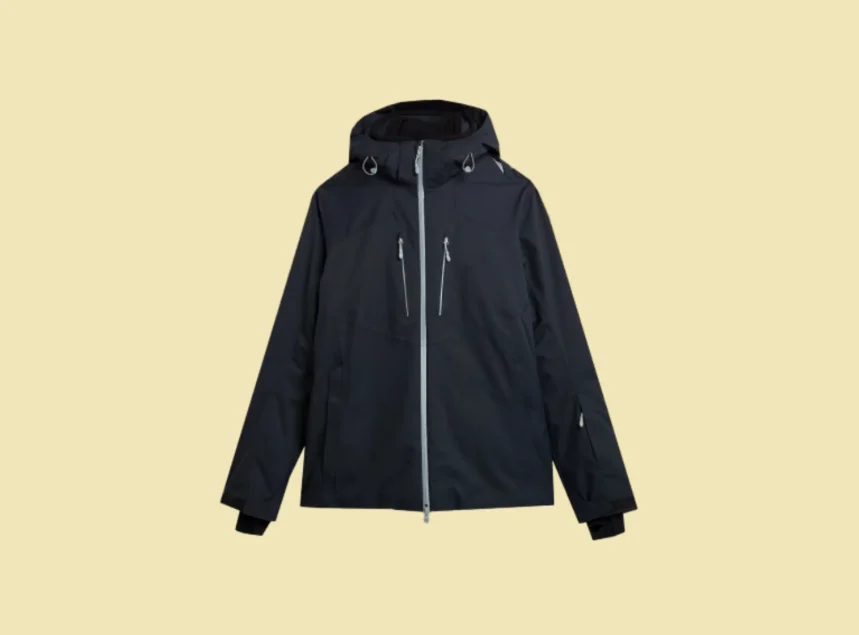
A truly high-performance ski jacket is a symphony of integrated technologies, each playing a vital role in your comfort and protection. At its heart lies the delicate balance between insulation, waterproofing, and breathability. Insulation is your shield against the cold, typically achieved through either natural down or synthetic fibers. Down offers an unparalleled warmth-to-weight ratio, measured by its fill power (e.g., 800-fill down), indicating its loft and insulating capability. However, down can lose its thermal efficiency when wet. Synthetic insulation, such as Primaloft or Thinsulate, performs admirably even in damp conditions, making it a robust choice for varied weather. Crucially, the quantity and placement of insulation (thermal mapping) are tailored to different body zones, providing warmth where it's most needed without unnecessary bulk.
Waterproofing is paramount, preventing snow and rain from penetrating the jacket. This is primarily achieved through a waterproof membrane (like Gore-Tex, eVent, or proprietary solutions such as The North Face's DryVent or Helly Hansen's HELLY TECH®). These membranes boast microscopic pores small enough to block water droplets but large enough to allow water vapor (sweat) to escape. The degree of waterproofing is often quantified in millimeters (mm), representing the height of a water column the fabric can withstand before leaking (e.g., 20,000mm is excellent). Complementing the membrane is a Durable Water Repellent (DWR) coating on the fabric’s outer surface, causing water to bead up and roll off. However, DWR coatings degrade over time and require reapplication. Fully taped seams—where all stitching lines are sealed with a waterproof tape—are also non-negotiable for complete protection, as even the smallest needle hole can compromise a jacket's integrity. High-quality waterproof zippers, often laminated or aqua-guarded, further fortify this defense.
Equally vital is breathability, measured in grams per square meter per 24 hours (g/m²/24hr), indicating how much water vapor can pass through the fabric. High breathability is critical for preventing the dreaded clammy feeling that arises when sweat accumulates inside the jacket during strenuous activity. Without adequate breathability, even the most waterproof and insulated jacket becomes a sweatbox, ironically leading to chilling once you stop moving. Features like strategic pit zips, adjustable cuffs, and ventilated pockets further enhance airflow, allowing you to regulate your temperature dynamically. The interplay of these technical elements is what transforms a simple jacket into a sophisticated piece of performance apparel, ensuring you stay dry, warm, and comfortable from the first run to the last.
Beyond the core triumvirate of insulation, waterproofing, and breathability, a ski jacket’s prowess is further defined by its materials and meticulous construction. Fabric technology has advanced dramatically, offering properties that enhance durability, flexibility, and overall user experience. The denier (D) of the outer fabric, for instance, indicates the fiber thickness and directly correlates to abrasion resistance. Jackets designed for aggressive backcountry skiing or frequent falls in the park often feature higher denier fabrics (e.g., 70D or more) in high-wear areas like shoulders and elbows, providing robust protection against tears and scuffs, while lighter deniers are used in less exposed areas to minimize weight and bulk. Many premium jackets incorporate stretch fabrics, often with spandex or elastane blends, allowing for unrestricted movement during dynamic skiing actions, from carving turns to complex aerials.
The aforementioned DWR coating is not a permanent solution; its effectiveness diminishes with use and washing. Regular care and periodic reapplication with specific DWR sprays or wash-in treatments are essential to maintain the fabric’s water-beading properties and prevent it from "wetting out," where the outer fabric absorbs water, compromising breathability. Furthermore, the selection of the membrane itself profoundly impacts performance. For instance, Gore-Tex Pro is celebrated for its extreme ruggedness and superior breathability in harsh conditions, making it a favorite among professional guides and serious alpinists, while Gore-Tex Paclite focuses on lightweight packability for fast-and-light excursions. Brands often develop their proprietary membranes, striving to achieve similar performance characteristics at different price points, sometimes incorporating recycled content or PFC-free DWRs in response to growing environmental concerns.
Attention to detail in construction extends to every stitch and component. Articulated sleeves and ergonomic patterning ensure a natural fit that moves with your body, preventing fabric bunching or restriction. Helmet-compatible hoods with multi-point adjustment systems offer crucial protection without impeding peripheral vision. Integrated powder skirts, often with snap or zip connections to ski pants, form a critical barrier against snow ingress during deep powder days or unexpected tumbles. Thoughtful pocket placement, including internal media pockets with headphone ports, dedicated goggle pockets with wipes, and zippered hand warmers, enhances functionality and convenience. Even the type of thread used and the quality of the YKK zippers (often a standard for high-end gear due to their durability and smooth operation) contribute to the jacket's longevity and reliability, underscoring that every element of a top-tier ski jacket is selected and assembled with performance in mind.
The market for high-performance ski jackets is rich with reputable brands, each bringing its unique philosophy and technological strengths to the table. Choosing between them often comes down to specific needs, priorities, and budget. While a complete overview is beyond the scope here, let's compare a few prominent players to illustrate the range of options available. This comparison focuses on general characteristics, as specific models within each brand can vary widely.
Feature | Arc'teryx | Patagonia | The North Face | Helly Hansen |
Primary Focus | Technical performance, minimalist design, lightweight, durability | Environmental stewardship, durability, versatile performance | Broad appeal, diverse range for resort to expedition, innovation | Maritime heritage, robust weather protection, vibrant style |
Typical Price Range | High-end ($500 - $800+) | Mid-to-High ($350 - $700) | Mid-to-High ($250 - $650) | Mid-to-High ($300 - $700) |
Key Technologies/Membranes | Gore-Tex Pro, Hadron™ LCP, C-KNIT™ | Gore-Tex (various), H2No® Performance Standard | Gore-Tex, DryVent™ (proprietary), Futurelight™ | HELLY TECH® Professional/Performance, LifaLoft™ |
Insulation Options | Coreloft™ (synthetic), Down (minimal in ski jackets) | Thermogreen™ (recycled synthetic), Down (Traceable Down) | Heatseeker™ Eco, RDS-certified Down | LifaLoft™ (synthetic), Primaloft® Black Eco |
Typical User Profile | Dedicated backcountry skiers, alpinists, minimalist enthusiasts | Environmentally conscious adventurers, resort and backcountry | Resort skiers, all-mountain, casual to experienced | Resort skiers, freeriders, those prioritizing warmth and style |
Arc'teryx, for example, is renowned for its minimalist design, exceptional craftsmanship, and use of cutting-edge materials, often at a premium price point. Their jackets are a favorite among professional guides and serious backcountry enthusiasts who demand the utmost in reliability and performance. Patagonia, on the other hand, combines high-quality performance with a strong commitment to environmental and social responsibility, utilizing recycled materials and fair-trade practices without compromising durability. The North Face offers a vast product line, appealing to a broad spectrum of skiers, from casual resort-goers to expedition leaders, with a focus on innovation and accessibility. Helly Hansen, with its rich history in marine and workwear, excels in creating exceptionally warm and weather-protective jackets, often featuring vibrant colorways and a distinct resort-to-freeride aesthetic. Each brand carves its niche by balancing different attributes, ensuring that there's a jacket perfectly suited for every type of skier and every kind of winter adventure.
While fully bespoke ski jackets remain a niche offering, the modern market provides ample opportunities for skiers to "customize" their gear through intelligent layering, modular systems, and a vast array of features that cater to individual preferences and skiing styles. True customization often begins with the choice between a shell jacket and an insulated jacket. A shell offers maximum versatility, allowing you to fine-tune your insulation layer by layer based on the day's conditions and your activity level. This modular approach is highly favored by backcountry skiers who need to adapt quickly to changing temperatures and exertion levels. By pairing a waterproof-breathable shell with different weights of fleece, down, or synthetic mid-layers, you effectively create a personalized climate control system.
Beyond layering, manufacturers integrate numerous adjustable and customizable elements directly into the jacket's design. Adjustable cuffs with hook-and-loop closures or elastic gaiters allow for a snug fit over or under gloves. Hem drawcords, often accessible through hand pockets, let you cinch the jacket to seal out wind and snow, tailoring the fit around your waist. Many jackets feature helmet-compatible hoods with multiple adjustment points (front, back, and side) to ensure a secure fit that doesn't obstruct peripheral vision, a critical safety feature. Powder skirts, often removable or equipped with a snap-away feature, prevent snow from creeping up your back on deep powder days, with some brands offering jacket-to-pant attachment systems for an even more impenetrable seal.
Furthermore, internal organization plays a significant role in user experience. Thoughtfully designed pockets, ranging from dedicated media pockets with headphone ports to goggle pockets lined with soft fleece and an integrated wipe, allow skiers to carry essentials securely and conveniently. Some jackets include a dedicated pass pocket on the sleeve, simplifying lift line navigation. Even aesthetic choices, such as a wide spectrum of colors and fits (athletic, regular, relaxed), allow skiers to express their personal style while ensuring optimal performance. By strategically selecting components and features, skiers can assemble a jacket system that feels custom-made, perfectly aligned with their specific needs, from aggressive freeriding to leisurely resort cruising.
Understanding the technical specifications of a ski jacket is one thing; witnessing its performance in diverse real-world scenarios is another. Let's consider a few application cases to illustrate how specific jacket features translate into tangible benefits for different types of skiers.
Case Study 1: The Resort Enthusiast – All-Day Comfort and Convenience
Consider David, a keen resort skier who spends most of his day on groomed trails, occasionally venturing into light glades. He values warmth, durability for repeated chairlift rides, and convenient features. For David, an insulated jacket with a robust outer shell, like a Helly Hansen Alpha LifaLoft, proves ideal. The LifaLoft insulation provides consistent warmth even on colder days (-5°C to -15°C), while its HELLY TECH® Professional membrane offers ample waterproofing (20,000mm+) to withstand light snow and slush. The jacket's integrated powder skirt, helmet-compatible hood, and articulated fit ensure comfort and protection during falls. Features like a ski pass pocket on the sleeve, internal goggle pocket, and zippered hand warmers enhance his day, making lift lines smoother and keeping his essentials secure and accessible. The jacket’s durable fabric (e.g., 80D nylon) resists abrasion from lift seats and occasional bumps, ensuring longevity season after season.
Case Study 2: The Backcountry Adventurer – Lightweight, Breathable, and Resilient
Mark is an avid backcountry ski tourer, often embarking on multi-hour ascents before enjoying untouched powder descents. His primary concerns are breathability, low weight, and ultimate weather protection for exposed alpine environments. An Arc'teryx Rush IS Jacket, a Gore-Tex Pro shell with minimal, strategically placed insulation, exemplifies his ideal gear. During ascents, the Gore-Tex Pro's exceptional breathability (RET < 9) prevents him from overheating and soaking his baselayers in sweat, a critical factor in preventing hypothermia in the backcountry. Pit zips offer additional ventilation for high-output sections. The lightweight (approx. 700g) yet incredibly durable 80D fabric withstands encounters with abrasive rock and ice. Its fully taped seams and helmet-compatible StormHood™ provide impenetrable protection against harsh winds and heavy snowfall above the treeline. The jacket's minimalist design ensures it packs down easily into his touring pack, and its articulated patterning allows for unhindered movement during skinning and complex descents.
Case Study 3: The Freerider/Park Skier – Durability, Mobility, and Style
Sarah (yes, we know the keyword is "for men," but a broad example enhances understanding) loves aggressive freeriding and hitting jumps in the terrain park, where falls are common, and freedom of movement is paramount. While her personal jacket might be different, a male freerider would seek similar attributes. A relaxed-fit shell jacket from a brand like Armada or The North Face’s Steep Series, often featuring Gore-Tex or Futurelight, would be perfect. The relaxed fit allows for layering a padded vest or knee pads underneath without feeling constricted, providing maximum mobility for grabs and tricks. The robust face fabric (150D+ nylon) is chosen for its extreme durability, shrugging off impacts from rails and hard landings. A longer cut provides extra coverage, and a large, helmet-compatible hood protects against wind and snow during high-speed descents. Crucially, reinforced critical zones (shoulders, elbows, lower back) protect against frequent impacts, ensuring the jacket withstands the rigors of aggressive skiing while maintaining its performance and style.
Ultimately, the quest for the ultimate ski jacket for men is a highly personal journey, a synthesis of individual needs, preferred skiing style, and the technological innovations available. As we've explored, this isn't a one-size-fits-all decision; it demands a thoughtful consideration of various factors, from the specific environmental challenges you'll face to the intensity of your activity on the slopes. Whether your adventures lead you to meticulously groomed resorts, untouched backcountry bowls, or the dynamic terrain park, your jacket serves as a critical interface between you and the elements. A well-chosen ski jacket isn't just about staying warm; it’s about maintaining optimal body temperature, ensuring unrestricted movement, and enhancing your overall safety and enjoyment.
Recalling the importance of insulation, waterproofing, and breathability, a prudent selection means understanding how these core technologies—be it down or synthetic fill, Gore-Tex Pro or proprietary membranes—align with your personal requirements. High-quality construction, evidenced by fully taped seams, durable zippers, and robust face fabrics, dictates the jacket’s longevity and consistent performance. The nuanced differences between leading brands, as highlighted in our comparison, offer distinct advantages, whether you prioritize Arc'teryx's minimalist precision, Patagonia's ethical durability, The North Face's diverse innovation, or Helly Hansen's robust protection. Even customization, through intelligent layering and adjustable features, allows for a jacket system tailored precisely to your body and your day's demands.
In conclusion, the investment in a top-tier ski jacket for men is an investment in countless memorable days on the mountain. It’s a commitment to performance, comfort, and protection that pays dividends in exhilaration and confidence. Take the time to evaluate your specific skiing habits, consider the conditions you’ll most often encounter, and leverage the wealth of technical advancements available. By doing so, you will not just select a jacket; you will choose a trusted companion that empowers you to push your limits, explore new terrain, and fully immerse yourself in the unparalleled joy of winter sports, season after glorious season.
A1: While all features contribute, the most critical aspects are waterproofing and breathability, often provided by a quality membrane like Gore-Tex. These ensure you stay dry from external moisture (snow/rain) and internal moisture (sweat), preventing discomfort and potential hypothermia.
A2: This depends on your activity level and typical conditions. An insulated jacket offers built-in warmth and is great for resort skiing in colder climates. A shell jacket, however, provides maximum versatility by allowing you to layer up or down as needed, making it ideal for backcountry skiing, variable conditions, or high-output activities where breathability is paramount.
A3: 20,000mm refers to the jacket's waterproof rating, indicating it can withstand a 20-meter column of water before leaking. 20,000g/m²/24hr is the breathability rating, meaning 20,000 grams of water vapor can pass through one square meter of fabric in 24 hours. Higher numbers generally mean better performance in both categories.
A4: To maintain waterproofing, wash your jacket regularly according to the manufacturer's instructions, typically using a technical wash specifically designed for outdoor gear. Over time, the DWR (Durable Water Repellent) coating will wear off; reapply a spray-on or wash-in DWR treatment when you notice the fabric no longer beads water effectively.
A5: Both have merits. Down offers superior warmth-to-weight and compressibility but loses insulating power when wet. Synthetic insulation (like Primaloft or Thinsulate) maintains much of its warmth even when damp, dries faster, and is often more affordable, making it a robust choice for varied or wet conditions.
A6: A powder skirt is an internal elasticized flap, usually with snaps or a gripper elastic, that cinches around your waist to prevent snow from entering the jacket from below. If you ski in deep snow, fall frequently, or venture off-piste, a powder skirt is highly recommended for keeping you dry and comfortable.
A7: Fit is crucial. A well-fitting ski jacket allows for a full range of motion without feeling restrictive or overly baggy. It should accommodate your layering system underneath without compressing insulation, which would reduce its effectiveness. Always try a jacket on with your typical mid-layers to ensure proper fit and comfort.
If you are interested in our products, you can choose to leave your information here, and we will be in touch with you shortly.