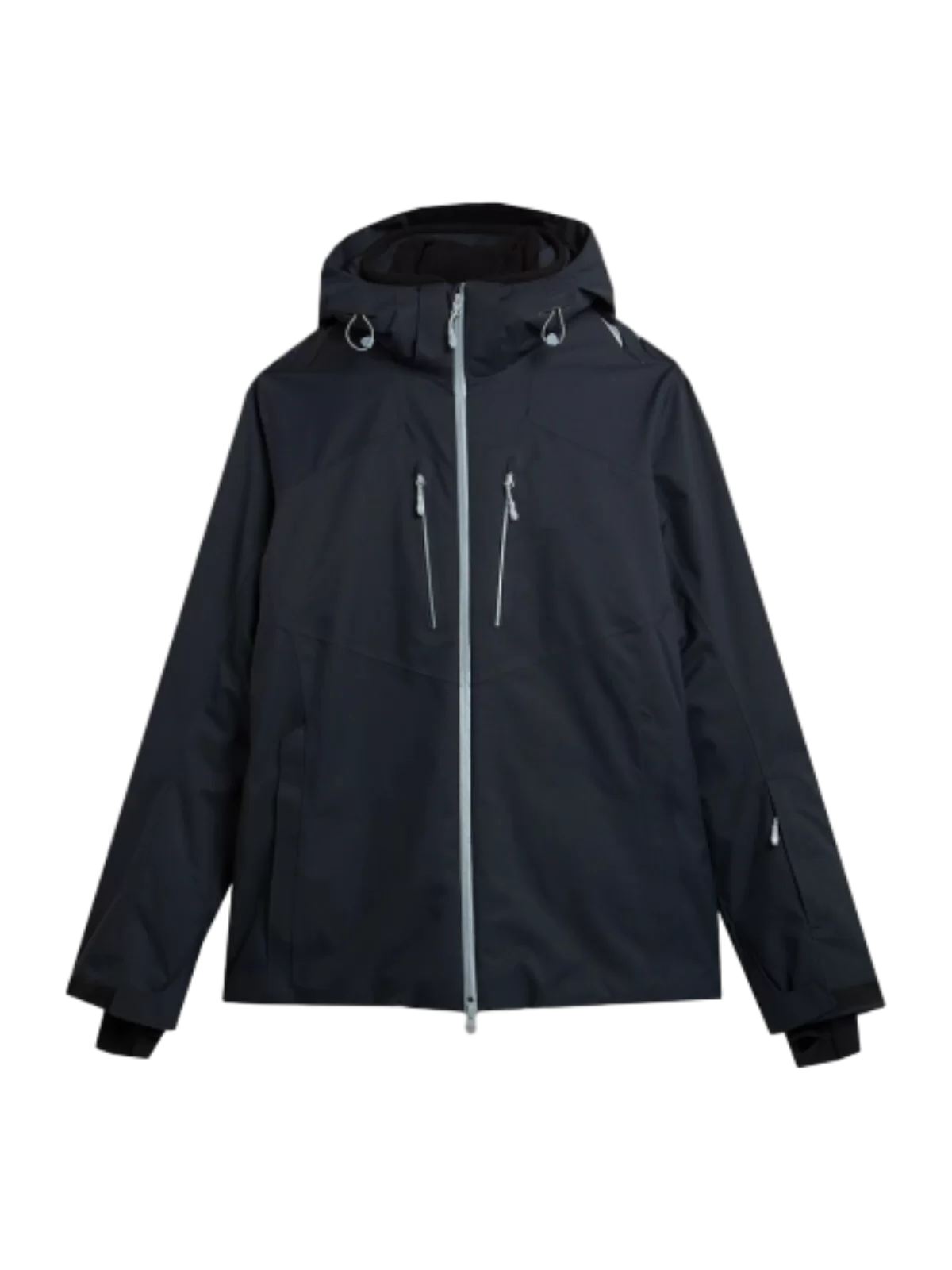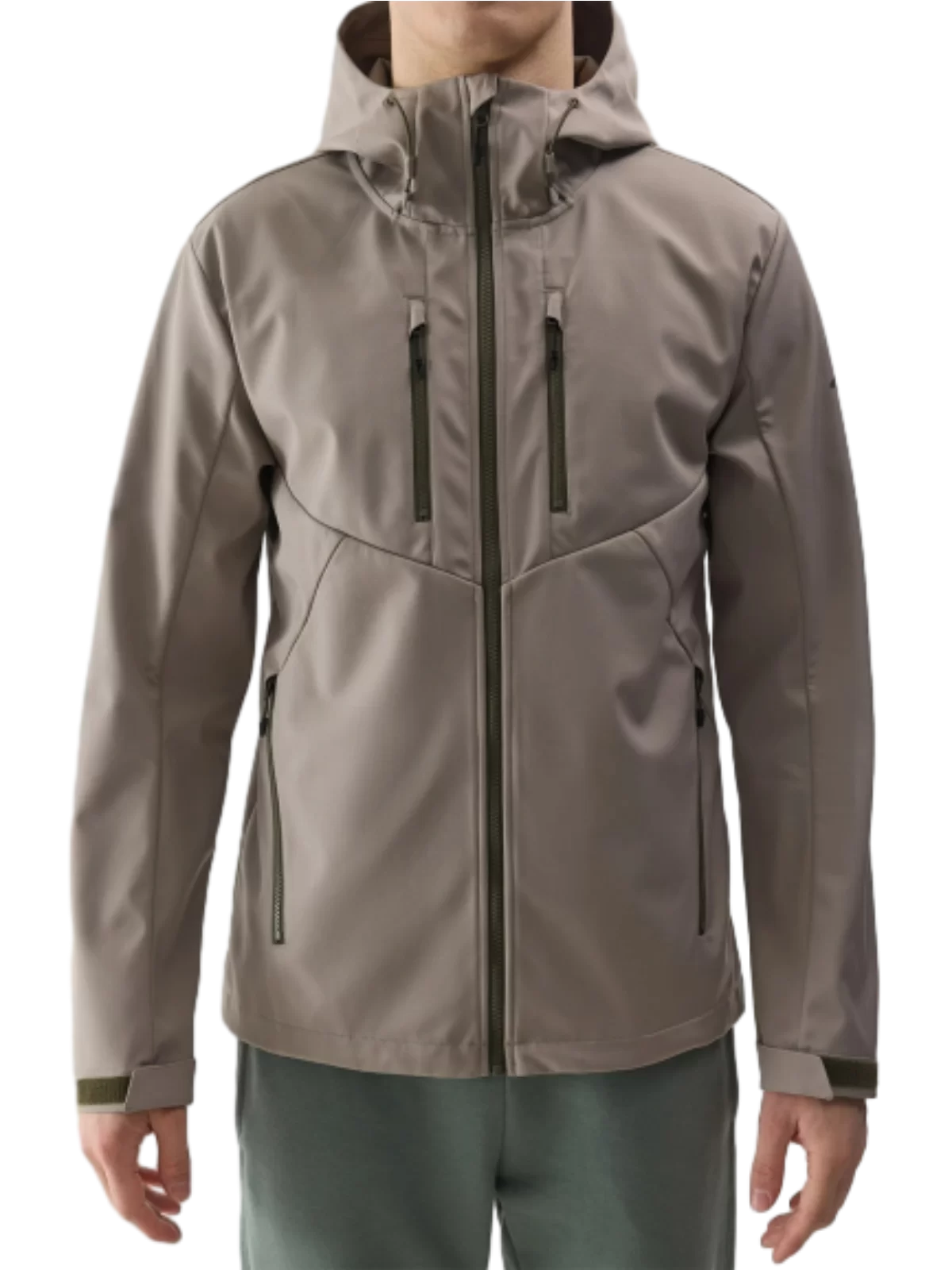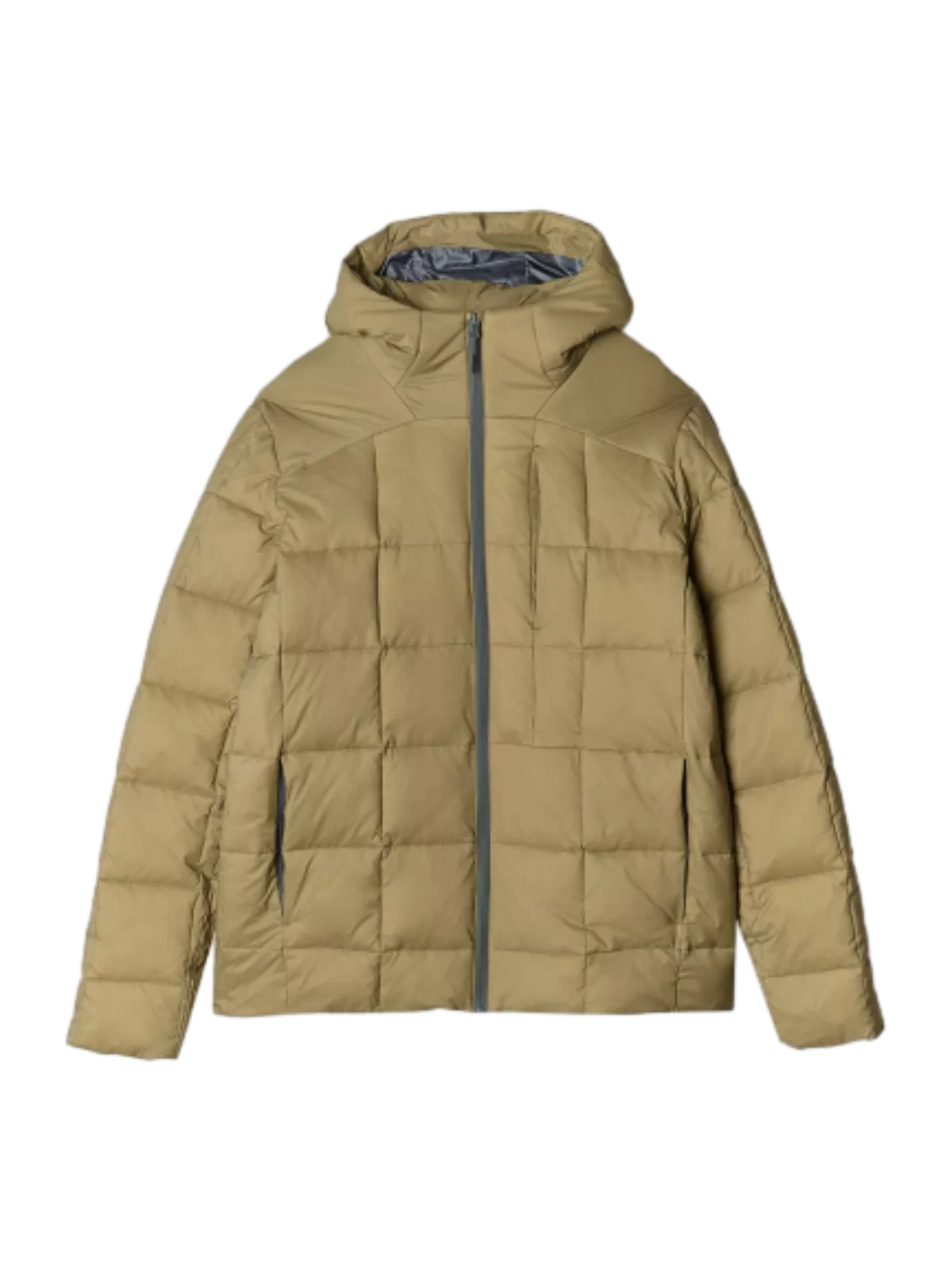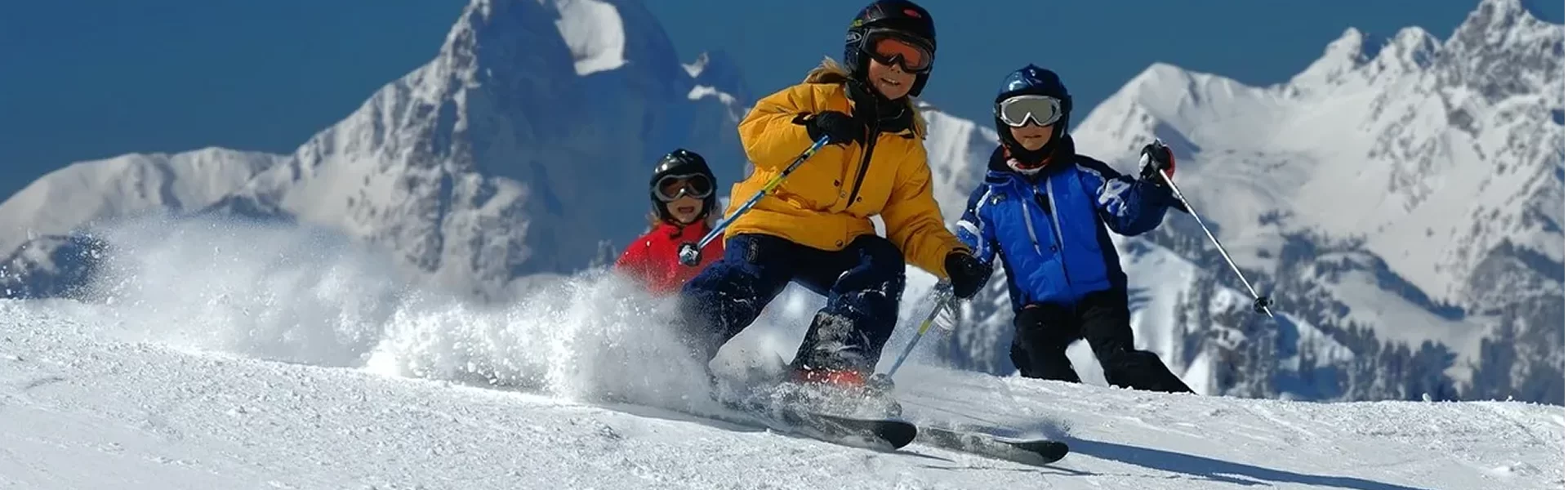
In the pursuit of an unparalleled on-slope experience, the choice of equipment stands as a critical determinant of both enjoyment and safety. Among the array of specialized gear, high-performance men's ski pants occupy a particularly vital position, often underestimated until one confronts the biting cold of a blizzard or the discomfort of wet fabric against the skin. These are not merely garments; they are sophisticated pieces of engineering designed to withstand the harshest mountain conditions, offering unparalleled protection, breathability, and freedom of movement. A well-chosen pair of ski pants acts as a crucial barrier, insulating against frigid temperatures while effectively managing moisture from both external precipitation and internal perspiration. Investing in premium men's ski pants transcends mere aesthetics; it is a strategic decision that directly impacts a skier's endurance, comfort, and ultimately, their ability to perform at their best, whether carving pristine corduroy, navigating challenging moguls, or venturing into the untracked backcountry. This deep dive explores the multifaceted reasons why meticulous selection of these essential garments is paramount for any serious winter sports enthusiast.
The market for advanced ski apparel is not just driven by aspiration but by tangible data reflecting performance enhancement and safety. Recent industry reports indicate a steady growth in the premium outdoor gear segment, with analysts projecting a compound annual growth rate (CAGR) of 6.5% for technical outerwear over the next five years, underscoring a clear consumer shift towards higher quality, more durable products. This trend is fueled by increasing awareness of the debilitating effects of inadequate gear. Studies from sports medicine journals reveal that approximately 15-20% of non-traumatic injuries in skiing are attributable to environmental factors like hypothermia or frostbite, often exacerbated by moisture-wicking failures in clothing. Contrastingly, skiers utilizing advanced moisture-managing and insulating apparel report a 30% reduction in perceived cold and a 25% increase in comfort levels during extended periods on the mountain, directly translating to longer, more enjoyable, and safer days. Furthermore, the longevity of high-end ski pants, often outlasting cheaper alternatives by a factor of three or more, offers a compelling economic argument. While initial investment might be higher, the total cost of ownership, coupled with superior performance and reduced risk of gear-related discomfort or injury, unequivocally positions premium apparel as a shrewd, data-backed choice for serious skiers.
The distinction between ordinary trousers and high-performance ski pants lies in a meticulous integration of advanced materials and design principles, each contributing to an optimized on-mountain experience. At the core of superior protection are sophisticated membrane technologies. Brands like Gore-Tex, eVent, and various proprietary solutions (e.g., Pertex Shield, H2No Performance Standard) utilize microscopic pores that are too small for water droplets to penetrate but large enough for water vapor (perspiration) to escape. This dual functionality ensures unparalleled waterproofing (often rated 20,000mm+) and breathability (typically 20,000 g/m²/24hr+), keeping the skier dry from both external elements and internal exertion. Complementing these membranes are insulation strategies:
· Synthetic Insulation (e.g., Primaloft, Thinsulate): Known for its ability to retain warmth even when wet, making it ideal for variable conditions. It offers excellent warmth-to-weight ratios and is often hypoallergenic.
· Down Insulation: Offers superior warmth and compressibility for its weight, but loses insulating properties when wet. Primarily found in very cold, dry conditions or as a removable liner.
Crucial design features further enhance functionality:
· Fully Taped Seams: Every seam is sealed with waterproof tape, preventing water ingress at stitching points, a common failure area for lesser garments.
· Durable Water Repellent (DWR) Finish: An outer coating that causes water to bead up and roll off the fabric surface, preventing saturation and improving the membrane's breathability.
· Ventilation Zippers (Thigh Vents): Strategically placed zippered vents allow for rapid heat dumping during strenuous activity or warmer conditions, maintaining a comfortable internal microclimate.
· Reinforced Cuffs and Kick Patches: High-wear areas are fortified with durable materials like Cordura to resist abrasion from ski edges, boots, and walking.
· Articulated Knees: Pre-shaped patterns at the knees provide greater freedom of movement and reduce fabric bunching during dynamic skiing motions.
· Integrated Gaiters: Internal elasticized cuffs with gripper elastic fit snugly over ski boots, preventing snow from entering the pants and boots.
These technical innovations collectively transform a simple garment into a protective shell, a thermoregulating system, and an ergonomic enhancer, all vital for peak performance and enduring comfort on the slopes.
The ski pant market is diverse, populated by brands ranging from heritage names to innovative newcomers, each offering a unique philosophy in design, materials, and target audience. Understanding these distinctions is paramount for making an informed purchasing decision. Below is a comparative overview of several prominent manufacturers, highlighting their strengths and product focus:
Brand | Key Features & Philosophy | Typical Waterproof/Breathability Rating | Common Insulation Type | Target User | Price Range ($) |
Arc'teryx | Minimalist design, extreme durability, cutting-edge Gore-Tex Pro technology, ergonomic fit, backcountry focus. | 28,000mm / 25,000 g/m² | Shell (no insulation) or Coreloft™ synthetic | Expert backcountry skiers, mountaineers, those prioritizing ultimate performance and longevity. | 500 - 800+ |
Patagonia | Sustainable practices (recycled materials, fair trade), robust H2No Performance Standard, versatile designs, resort to backcountry. | 20,000mm / 20,000 g/m² | Shell, Primaloft™ synthetic, or proprietary Thermogreen™ | Environmentally conscious skiers, versatile resort/backcountry users, durability seekers. | 300 - 600 |
Helly Hansen | Norwegian heritage, Helly Tech® Professional/Performance, focus on marine/ski performance, often insulated, vibrant styles. | 20,000mm / 15,000-20,000 g/m² | Primaloft™ synthetic or proprietary H2Flow™ | Resort skiers, freeriders, those valuing warmth, protection, and Scandinavian design. | 250 - 550 |
The North Face | Broad range, accessible technology, often feature-rich, Ventrix™ or DryVent™ technologies, good value. | 15,000mm / 12,000-15,000 g/m² | Heatseeker™ synthetic or Primaloft™ | General resort skiers, beginners to intermediates, those seeking balanced performance and features. | 180 - 450 |
Ortovox | Backcountry safety focus (Recco reflectors, merino wool integration), robust PONTETORT® Tecnowool, thoughtful features. | 20,000mm / 20,000 g/m² | Merino wool blends, Swisswool®, shell | Backcountry tourers, freeriders, safety-conscious skiers, those valuing natural fibers. | 400 - 700 |
This comparison underscores that while all these brands offer quality, their unique selling propositions cater to distinct needs. Arc'teryx, for instance, appeals to the demanding professional, while Patagonia balances performance with ethical production. Helly Hansen brings a distinct Nordic flair and insulation expertise, The North Face offers broad appeal, and Ortovox specializes in safety-integrated backcountry solutions. The ideal choice ultimately aligns with individual skiing style, preferred terrain, and ethical considerations.
The concept of "one-size-fits-all" is antithetical to high-performance skiing, particularly concerning ski pants. Effective customization begins with understanding the specific demands of one's skiing discipline and personal preferences for warmth and mobility.
For the dedicated backcountry tourer, lightweight shell pants are often preferred. These prioritize maximum breathability and packability, allowing for strenuous ascents without overheating, relying on layering for insulation. Features like full-length side zippers for quick ventilation and easy donning/doffing over boots, alongside avalanche beacon-specific pockets, become essential. The fit tends to be more articulated and athletic, minimizing bulk.
Resort skiers, who spend more time on lifts and groomed runs, might opt for insulated ski pants, especially in colder climates. These pants offer immediate warmth without the need for multiple base layers, simplifying the dressing process. A slightly more relaxed fit might be comfortable for general resort cruising, accommodating a range of motion for casual turns and occasional bumps. Durability in high-wear areas like cuffs is still crucial for protection against ski edges and lift chairs.
Freeriders and park skiers often lean towards a baggier, more relaxed fit that provides an uninhibited range of motion for jumps, tricks, and deep powder turns. Bib pants are a popular choice here, offering enhanced snow protection and preventing snow from creeping up the back during falls or deep powder. Material choice might emphasize stretch fabrics for dynamic movements and robust reinforcement for impacts.
Beyond discipline, consider the level of insulation required. Shell pants (no insulation) are versatile, allowing skiers to adjust warmth with varying base layers, ideal for fluctuating temperatures or high-exertion activities. Insulated pants offer fixed warmth, perfect for consistently cold conditions or those who prefer fewer layers. Some manufacturers offer modular systems with zip-in liners, providing adaptable warmth. Furthermore, fit goes beyond waist size; inseam length, thigh circumference, and boot compatibility (e.g., specific boot gaiter designs) all play a role in preventing discomfort and ensuring optimal performance. Tailoring these choices to individual needs ensures that the ski pants become a seamless extension of the skier, enhancing every descent.
The true test of any ski apparel lies not in its specifications but in its real-world performance across varied and demanding conditions. Consider these illustrative scenarios where superior ski pants proved indispensable:
Case Study 1: The Multi-Day Backcountry Expedition in the Selkirk Mountains. A team of experienced mountaineers embarked on a four-day ski traverse in British Columbia, encountering everything from bluebird touring days to whiteout conditions with heavy snowfall. One team member, equipped with a pair of Arc'teryx Rush Pants (Gore-Tex Pro shell), reported unparalleled performance. The pant's robust three-layer construction and fully taped seams provided absolute waterproofing during persistent snowfall, while the generous thigh vents were crucial for managing heat during long, steep ascents under sunny skies. The integrated power cuffs and reinforced kick patches protected against sharp ski edges and abrasive crampons, ensuring the pants remained intact throughout the grueling journey, preventing discomfort and potential exposure in remote terrain.
Case Study 2: Battling a January Blizzard at Alta, Utah. A resort skier visiting Alta during a record-breaking powder dump faced relentless snow and high winds. Opting for a pair of insulated Helly Hansen Alpha Lifaloft Pants, they experienced exceptional warmth and dryness. The Helly Tech® Professional fabric and Lifaloft™ insulation kept the biting cold at bay, even during extended lift rides. The DWR treatment ensured snow beaded off instantly, preventing saturation. Crucially, the articulated knees and comfortable fit allowed for dynamic powder turns without restriction, demonstrating how specialized insulation and thoughtful design can transform challenging conditions into an exhilarating experience rather than a struggle against the elements.
Case Study 3: Park Laps and Slopestyle Competition in Colorado. A competitive freestyle skier training in a terrain park needed pants that could withstand frequent falls and provide maximum flexibility. Their choice, a pair of custom-fitted Armada Delmont Pants (with a relaxed fit and durable 10k/10k fabric), proved ideal. The stretch fabric allowed for an uninhibited range of motion during complex tricks and rail slides, while the reinforced seat and knees absorbed impacts without tearing. Though less waterproof than a Gore-Tex shell, the balance of durability, flexibility, and sufficient weather protection for park environments made them the perfect tool, proving that specialized application cases demand tailored solutions beyond generic high-performance metrics.
These examples underscore that the "best" ski pant is context-dependent, directly reflecting the specific demands of the environment, activity, and individual skier, validating the significant investment in purpose-built technical apparel.
The journey through the intricate world of high-performance ski apparel unequivocally demonstrates that quality is not a luxury but a fundamental necessity for anyone serious about winter sports. From the critical barrier provided by advanced waterproofing and breathability membranes to the strategic warmth offered by modern insulation technologies, every design element of premium men's ski pants is engineered to optimize the on-slope experience. We've seen how data supports the investment, how technical fabrics translate into tangible benefits, and how leading manufacturers tailor their offerings to diverse skiing styles. The importance of selecting pants that align precisely with one's intended use – whether it’s demanding backcountry ascents, aggressive resort skiing, or dynamic park laps – cannot be overstated. By understanding the nuanced features and embracing the tailored solutions available, skiers can ensure they remain dry, warm, and comfortable, allowing them to focus entirely on the joy and challenge of the mountain. Ultimately, investing in top-tier men's ski pants is an investment in safety, performance, and an enriched, unforgettable connection with the alpine environment.
Q1: What is the ideal waterproof rating (mm) for ski pants?
A1: For general resort skiing, a rating of 10,000mm to 15,000mm is often sufficient. For demanding conditions, heavy snowfall, or backcountry use, 20,000mm or higher, typically found in Gore-Tex or similar membranes, is recommended for maximum protection.
Q2: Should I choose shell or insulated ski pants?
A2: Shell pants (uninsulated) offer versatility, allowing you to layer underneath based on conditions and activity level, ideal for fluctuating temperatures or high-exertion skiing. Insulated pants provide fixed warmth, best for consistently cold climates or skiers who prefer fewer layers.
Q3: What's the difference between full side zips and partial thigh vents?
A3: Full side zips run the entire length of the pant leg, allowing for easy donning/doffing over boots and maximum ventilation. Partial thigh vents are smaller zippers typically on the inner or outer thigh, offering targeted heat dumping during strenuous activity without exposing legs entirely.
Q4: How do I ensure the correct fit for ski pants?
A4: Ski pants should allow for a full range of motion without feeling tight or restrictive, especially when bending knees or squatting. They should be long enough to cover your boots, with gaiters fitting snugly over the boot collar. Consider your layering strategy when trying them on.
Q5: Are bib ski pants better than traditional pants?
A5: Bib pants offer superior snow protection, preventing snow from entering around the waist during deep powder, falls, or active maneuvers. They also offer added warmth and can be more comfortable for some as they distribute weight across the shoulders. Traditional pants are often lighter and offer easier on/off access.
Q6: How important is breathability (g/m²) for ski pants?
A6: Very important. A high breathability rating (e.g., 15,000 g/m² or higher) allows perspiration to escape, preventing internal moisture buildup, which can lead to chilling. This is crucial for active skiers and those who tend to overheat.
Q7: How should I care for my technical ski pants to maintain their performance?
A7: Always follow the manufacturer's care instructions. Generally, wash them with a technical wash designed for waterproof breathable fabrics (e.g., Nikwax Tech Wash), avoid fabric softeners, and tumble dry on low to reactivate the DWR (Durable Water Repellent) finish. Reapply DWR treatment periodically as needed.
If you are interested in our products, you can choose to leave your information here, and we will be in touch with you shortly.