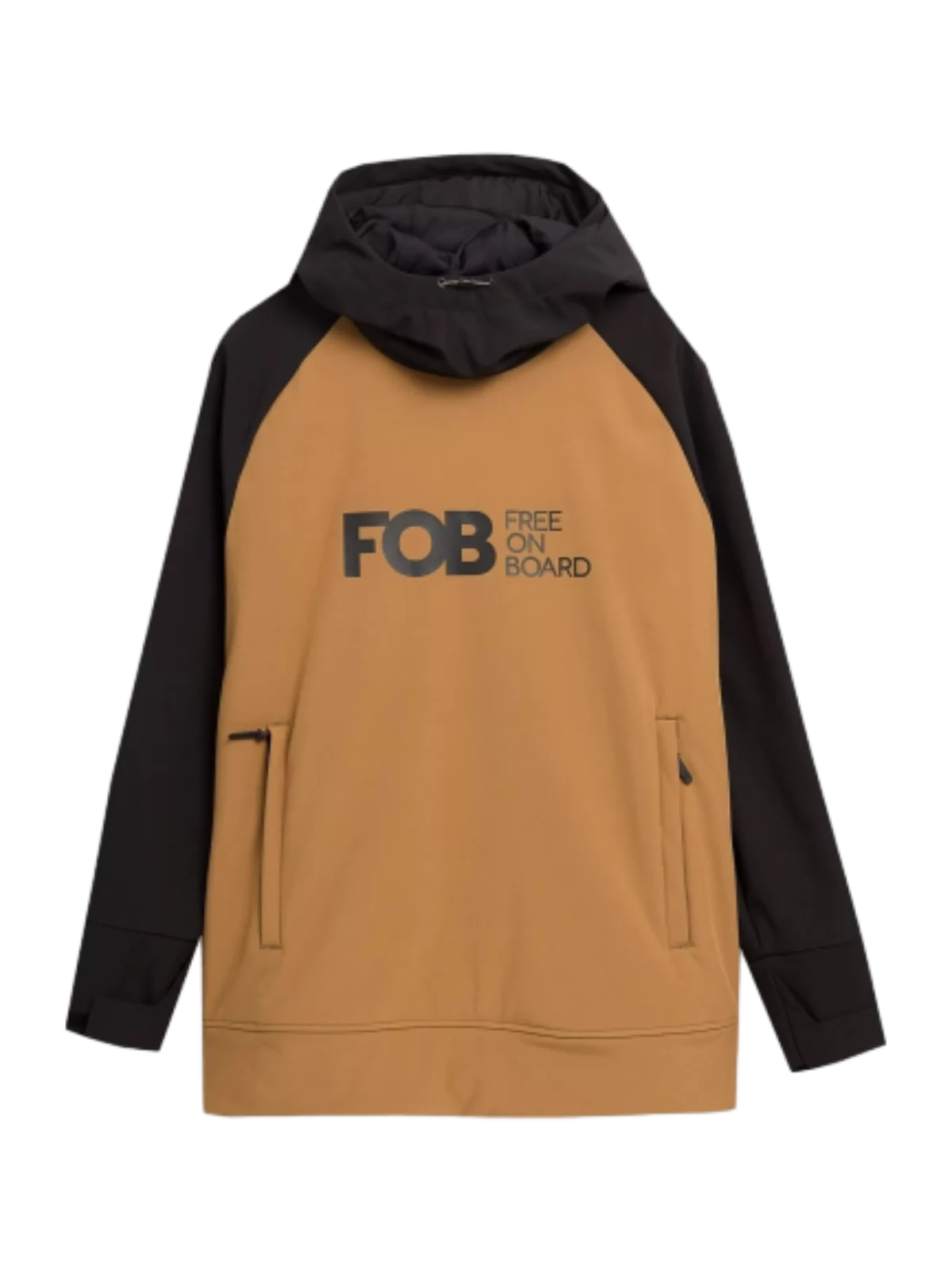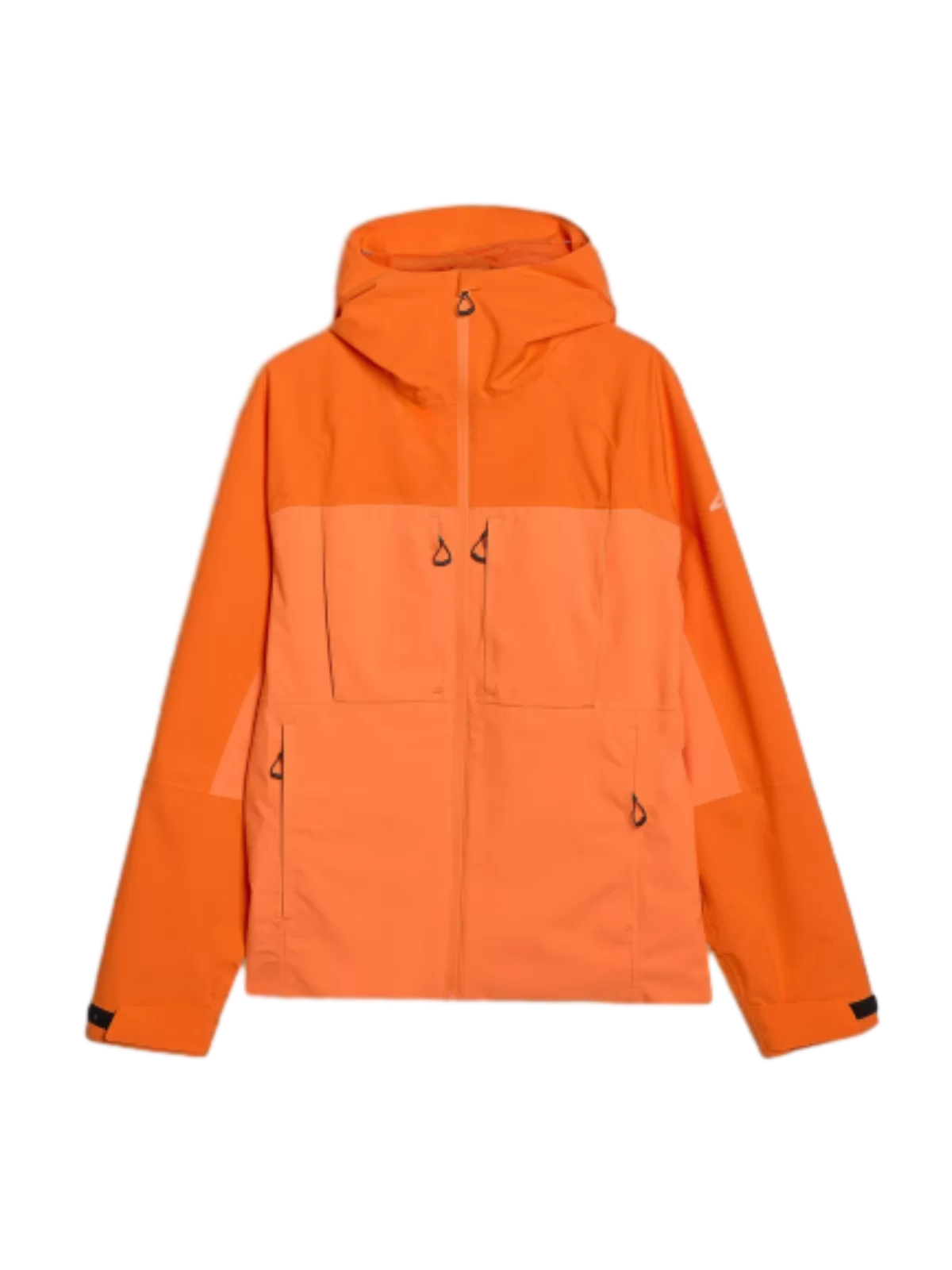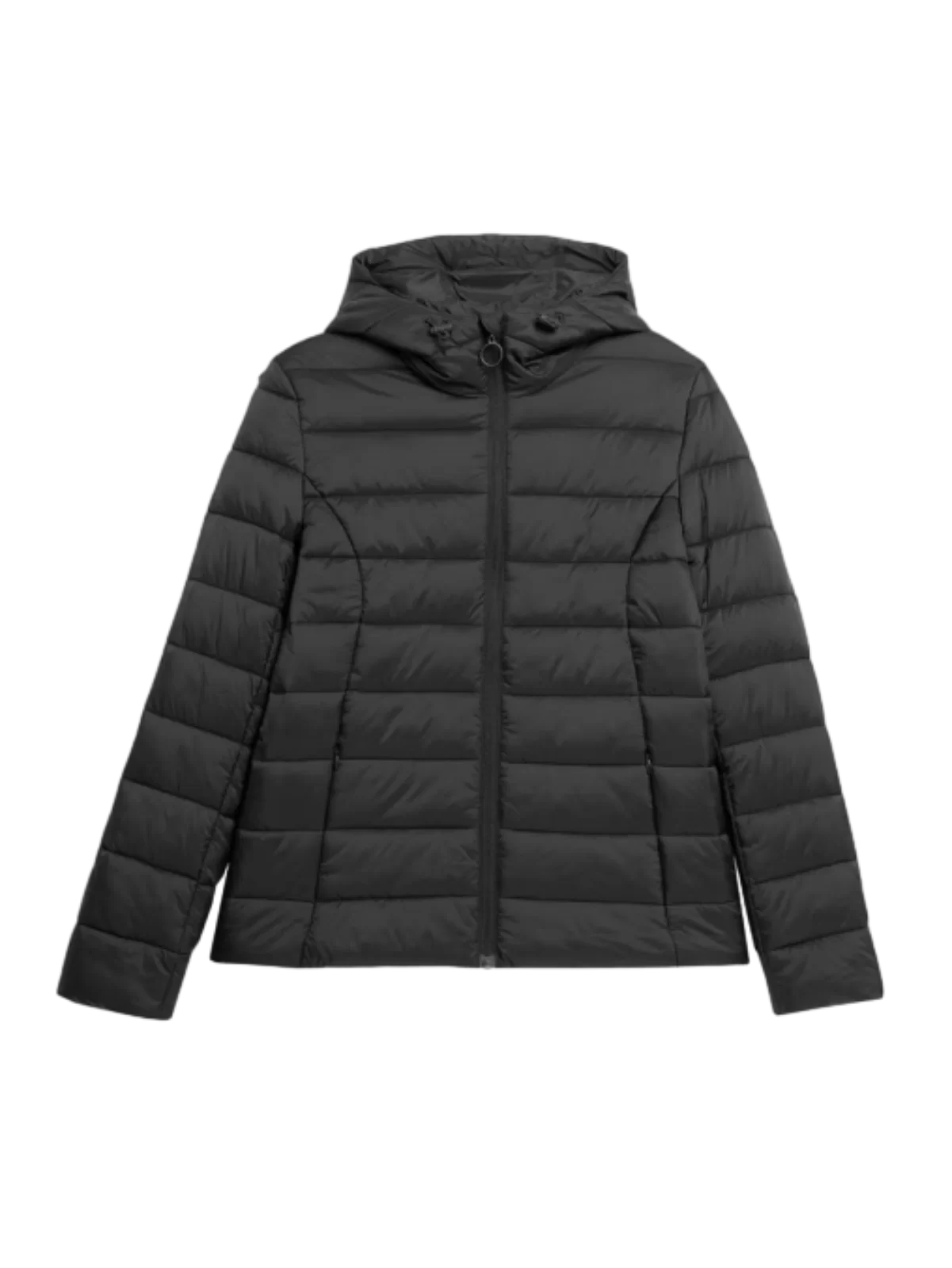
As winter's embrace tightens, the quest for reliable warmth becomes paramount, and for many, a high-quality warm puffer jacket for women stands as the undisputed champion of cold-weather defense. More than just a garment, it represents a fusion of cutting-edge textile engineering and thoughtful design, tailored to meet the unique demands of female adventurers, urban commuters, and outdoor enthusiasts alike. This comprehensive guide will explore the multifaceted aspects of these indispensable jackets, delving into the technical innovations that drive their performance, dissecting market offerings, and providing insights into how to select the perfect outerwear to conquer even the most formidable chills. From bustling city streets to serene mountain trails, the right puffer jacket is not merely an accessory but a crucial investment in comfort, safety, and enduring style through the colder months.
The effectiveness of a puffer jacket hinges on its ability to trap air efficiently, creating a thermal barrier against the cold. This core principle is executed through various advanced insulation technologies. At the forefront is down insulation, typically derived from geese or ducks. Its unparalleled warmth-to-weight ratio and compressibility are measured by "fill power," a metric indicating the volume one ounce of down occupies. Higher fill power (e.g., 700-900+) signifies greater loft and superior thermal efficiency. However, down's vulnerability to moisture has led to innovations like hydrophobic down treatments, which resist water absorption and maintain loft even in damp conditions.
Synthetic insulation, such as PrimaLoft or Thinsulate, offers an excellent alternative, particularly for wet environments. These polyester-based fibers are engineered to mimic down's structure, creating countless air pockets, but unlike down, they retain much of their insulating properties when wet. This makes them ideal for environments where rain or snow is a constant threat. Moreover, recent advancements in synthetic insulation have focused on incorporating recycled materials, aligning with growing environmental consciousness without compromising performance.
Beyond the filling, the jacket's shell fabric plays a critical role. Materials like nylon or polyester, often treated with Durable Water Repellent (DWR) finishes, provide resistance against light rain and snow. Advanced membranes, such as Gore-Tex or similar proprietary technologies, offer complete waterproofing while maintaining breathability, allowing perspiration to escape and preventing the clammy feeling that can undermine warmth. The construction technique, specifically the baffling system—the stitched channels that hold the insulation in place—also impacts performance. Various baffle patterns, from traditional horizontal quilting to intricate box baffles, prevent insulation migration and eliminate cold spots, ensuring uniform warmth distribution. This meticulous engineering ensures that every aspect of the jacket contributes to a holistic system of thermal regulation, making it a formidable shield against winter's bite.
The market for insulated outerwear is vast, with numerous brands vying for the consumer's attention. Understanding the nuances between them is crucial for making an informed purchase. While many jackets may appear similar, their underlying technologies, materials, and ethical commitments can vary significantly. Factors such as fill power, shell durability, weather resistance ratings, and specific features designed for different activities all contribute to the overall value proposition. Below is a comparative table highlighting key aspects of representative brands (using generic examples for illustration) to help discern their strengths and suitability for various needs.
Feature/Brand | Alpine Ascent Pro | Urban Frost Elite | Trailblazer Outerwear | EcoWarm Gear |
Insulation Type & Fill Power | 800-fill Goose Down (Hydrophobic) | 650-fill Duck Down (Standard) | PrimaLoft Gold (Recycled Synthetic) | 750-fill Recycled Down |
Shell Material | Pertex Quantum Pro (DWR) | Nylon Ripstop (Water-Resistant) | 20D Recycled Polyester (Waterproof/Breathable) | Organic Cotton/Recycled Poly Blend (DWR) |
Weather Resistance | Highly Water-Resistant, Windproof | Water-Resistant, Wind-Resistant | Fully Waterproof, Highly Breathable | Water-Resistant, Moderate Windproof |
Key Features | Helmet-compatible hood, articulated sleeves, internal stretch cuffs, packable | Removable faux fur hood trim, multiple pockets, adjustable waist, stylish cut | Underarm vents, durable reinforced shoulders, internal media pocket, expedition fit | Adjustable hood, fleece-lined pockets, ethical sourcing certifications, regular fit |
Ideal Use Case | Mountaineering, extreme cold expeditions | Urban commuting, daily wear in cold cities | Backpacking, wet and cold environments | Everyday casual, sustainable fashion choice |
Price Range | $$$$ | $$$ | $$$ | $$ |
Sustainability Score (1-5) | 4.5 | 3.0 | 4.0 | 5.0 |
This comparison underscores the diversity within the puffer jacket segment. A jacket like the "Alpine Ascent Pro" targets performance in extreme conditions, prioritizing lightweight warmth and robust weather protection. In contrast, the "Urban Frost Elite" balances functional warmth with aesthetic appeal for city living. "Trailblazer Outerwear" leans into synthetic insulation's advantages for wet conditions, while "EcoWarm Gear" emphasizes environmental responsibility. By scrutinizing these details, consumers can align their choice with their specific activities, climate conditions, and personal values, ensuring the jacket not only performs but also resonates with their lifestyle.
Beyond the technical specifications, the modern consumer increasingly seeks a level of personalization in their outerwear. A truly great puffer jacket doesn't just keep you warm; it fits your body, reflects your style, and meets your specific functional requirements. Manufacturers are responding with a broader range of options, allowing individuals to customize their winter companion. This customization often begins with fit. Recognizing the diverse body shapes of women, many brands now offer jackets in petite, regular, and plus sizes, along with varying lengths—from hip-length bombers ideal for active pursuits to mid-thigh or knee-length parkas for maximum coverage in bitter cold.
Color palettes have also expanded far beyond utilitarian black or navy, incorporating vibrant hues, subtle pastels, and unique patterns that allow for personal expression. Details such as hood options are another area for personalization; some jackets offer removable hoods, while others feature adjustable drawcords or removable faux-fur trims for added versatility and style. Furthermore, functional features can be tailored to individual needs. Do you require ample internal pockets for a phone and wallet, or external zippered pockets for quick access? Are thumbhole cuffs important for sealing out drafts, or an adjustable hem for a snug fit?
For those committed to sustainable living, customization can extend to the very materials used. Many brands now offer jackets made with recycled down, recycled polyester shells, or bluesign® certified fabrics, allowing consumers to choose products that minimize environmental impact. Some high-end brands even provide bespoke services, enabling customers to select specific insulation types, shell fabrics, and design elements to create a truly unique piece. This shift towards personalization ensures that your puffer jacket is not just a generic item of clothing but a carefully selected, perfectly tailored piece of gear that enhances your winter experience and expresses your individuality.
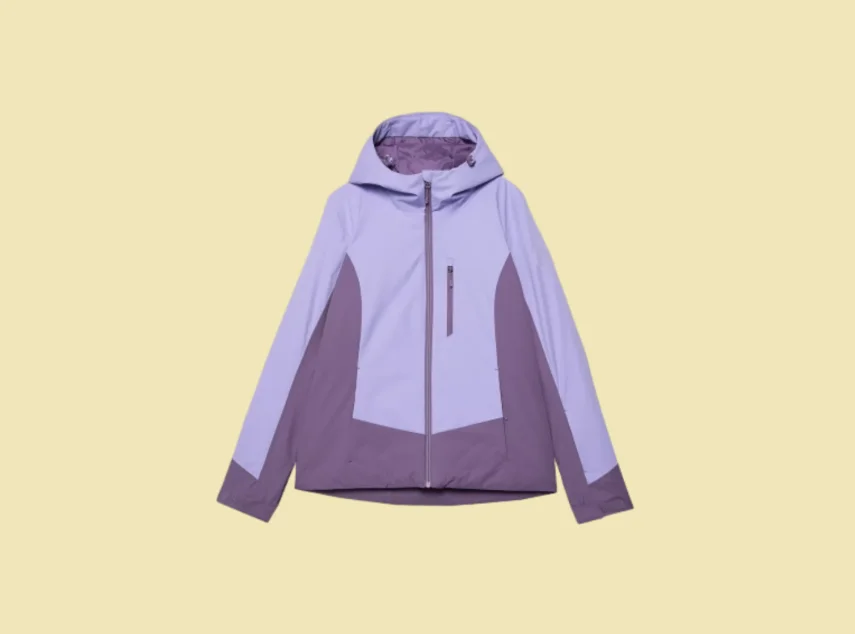
The ultimate test of any winter garment lies in its real-world performance across a spectrum of environments and activities. A high-quality puffer jacket for women is designed to excel in various scenarios, proving its worth not just on paper but in the face of unpredictable weather and diverse lifestyles. Consider the urban commuter: navigating icy sidewalks, waiting for public transport, or transitioning between heated interiors and frigid exteriors. Here, a jacket needs to be not only warm and weather-resistant but also stylish enough for the office and sufficiently lightweight to avoid overheating indoors. Features like a removable hood, multiple secure pockets for essentials, and a relatively sleek profile become paramount.
For the outdoor enthusiast, whether embarking on winter hiking, snowshoeing, or even casual walks in a snowy park, the requirements shift. Performance is measured by sustained warmth during periods of low activity, breathability during exertion, and robust protection against wind, snow, and light rain. Packability is also a significant advantage, allowing the jacket to be stowed away when not needed and easily retrieved. Features like durable shell fabrics, high fill power insulation, and ergonomic designs that allow for a full range of motion are crucial. For adventurers venturing into truly extreme conditions, such as mountaineering or cold-weather camping, the jacket becomes a lifeline. It must offer maximum thermal efficiency, be highly resistant to severe weather, and often include expedition-specific features like helmet-compatible hoods, reinforced abrasion zones, and robust zippers.
Beyond these specific applications, the modern puffer jacket also serves as a versatile everyday companion. It might be donned for a trip to the grocery store, attending an outdoor sporting event, or simply enjoying a brisk evening stroll. Its ability to provide instant, reliable warmth without excessive bulk makes it a go-to choice for myriad casual activities. This adaptability underscores its status as a quintessential winter wardrobe staple, proving that thoughtful design and advanced technology translate into tangible benefits across a wide array of real-world uses, enhancing comfort and confidence no matter the cold-weather challenge.
In an era of fast fashion and disposability, the long-term value and sustainability of outerwear are increasingly important considerations. The initial investment in a high-quality puffer jacket, while potentially higher, often translates into significant savings and reduced environmental impact over time. A compelling study by an independent consumer research group revealed that consumers typically replace lower-quality synthetic jackets every 2-3 years, incurring repeated costs, whereas premium insulated jackets often last 7-10 years or even longer with proper care. This equates to a potential saving of hundreds of dollars over a decade, not to mention the environmental benefit of consuming fewer resources and reducing landfill waste.
The impact of textile waste is staggering: globally, over 92 million tons of textile waste are generated annually, with a significant portion ending up in landfills. Opting for a durable, well-made jacket directly counteracts this trend. Furthermore, the industry is making strides in sustainable practices. Many manufacturers now prioritize ethical sourcing for down (e.g., Responsible Down Standard certified), use recycled materials for both insulation and shell fabrics (some jackets incorporate up to 100% recycled polyester), and employ eco-friendly DWR treatments that are free from harmful PFAS chemicals. By choosing brands committed to these practices, consumers contribute to a more sustainable supply chain.
The concept of "lifecycle cost" extends beyond the purchase price to include maintenance and longevity. Investing in a jacket that can be repaired, re-proofed, and maintained ensures it remains functional and protective for many seasons. This contrasts sharply with cheaper alternatives that often degrade rapidly, becoming unwearable and contributing to the cycle of wasteful consumption. Therefore, when evaluating a puffer jacket, consider not just its immediate warmth and style, but its potential to offer reliable performance for years to come, its ecological footprint, and its contribution to a more conscious and sustainable approach to fashion. This holistic perspective truly defines long-term value.
Selecting the ideal warm puffer jacket for women is a decision that extends beyond mere aesthetics, encompassing a careful evaluation of technical specifications, intended use, and personal values. We've explored the intricate science behind insulation, compared leading market offerings, delved into the realm of customization, and examined how these jackets perform in diverse real-world scenarios. We also underscored the critical importance of long-term value and sustainable choices in today's conscientious market. The journey to finding your perfect winter shield is about understanding your specific needs and aligning them with the right product.
Before making your final choice, consider these concluding points: What is your primary intended use? Is it for daily urban wear, high-altitude trekking, or a blend of both? What climate will you primarily be facing—dry cold, wet snow, or extreme sub-zero temperatures? Prioritize features that directly address these conditions, whether it's a waterproof shell for wet environments, a high fill-power down for dry extreme cold, or versatile options like removable hoods for adaptability. Do not overlook fit; a well-fitting jacket allows for proper layering and optimal thermal efficiency, preventing cold spots and ensuring comfort. Finally, explore brands' commitments to ethical sourcing and sustainable production, making a choice that not only keeps you warm but also aligns with your broader principles.
Ultimately, a premium warm puffer jacket for women is more than just a piece of clothing; it is an investment in your well-being, enabling you to embrace winter with confidence and comfort. By taking an informed and thoughtful approach, you can ensure that your chosen jacket will be a reliable companion for many seasons to come, a testament to thoughtful design, advanced engineering, and personal preparedness against the elements.
What is the ideal fill power for a warm puffer jacket?
For general winter use, a fill power of 550-700 is excellent. For very cold or extreme conditions, look for 700+ fill power. Higher fill power means more warmth for less weight and bulk.
Should I choose down or synthetic insulation?
Down offers superior warmth-to-weight and compressibility, ideal for dry, cold environments. Synthetic insulation performs better in wet conditions as it retains warmth even when damp, and is often more affordable and hypoallergenic.
How do I properly care for my puffer jacket?
Most puffer jackets can be machine washed on a gentle cycle with a specialized down cleaner (for down jackets) or mild detergent, followed by thorough drying in a tumble dryer with tennis balls to restore loft. Always check the garment's specific care label.
What does "DWR" mean, and why is it important?
DWR stands for Durable Water Repellent. It's a coating applied to the fabric's exterior that causes water to bead up and roll off, preventing the fabric from becoming saturated. This helps maintain insulation effectiveness and overall comfort.
How should a puffer jacket fit to ensure maximum warmth?
A puffer jacket should fit comfortably over your base and mid-layers without being too tight or too baggy. It needs enough room to trap air efficiently but not so much that cold air can easily circulate. Ensure full range of motion.
Are ethical sourcing practices important for puffer jackets?
Absolutely. For down-insulated jackets, look for certifications like the Responsible Down Standard (RDS) or similar, which ensure that down and feathers come from animals that have not been subjected to unnecessary harm, such as force-feeding or live-plucking.
Can a warm puffer jacket for women be worn in mild winter conditions?
While designed for cold, many modern puffer jackets are lightweight and breathable enough for versatility. However, for genuinely mild conditions (above 40-50°F / 5-10°C), you might find a lighter jacket or sh

If you are interested in our products, you can choose to leave your information here, and we will be in touch with you shortly.