Selecting the right outer layer is critical for women who balance active outdoor lifestyles with the need for professional aesthetics. The softshell jacket womens represents a pinnacle of textile engineering, blending the water-resistant properties of a hardshell with the breathable warmth of a fleece. For the modern adventurer or the urban commuter, this garment offers a versatile solution to the unpredictable nature of transitional weather.
From a global manufacturing perspective, the rise of the softshell jacket womens mirrors a broader shift toward "performance lifestyle" apparel. By utilizing advanced synthetic blends and bonded membranes, these jackets address the physiological need for thermoregulation while maintaining a sleek, feminine silhouette. This convergence of form and function has made softshells a staple in both the sports industry and everyday wardrobes worldwide.
Understanding the technical nuances of these garments—from DWR coatings to four-way stretch fabrics—allows consumers to make informed decisions based on their specific environment. Whether it is for high-altitude hiking, skiing, or simply navigating a damp autumn morning, the right softshell jacket womens ensures that protection does not come at the cost of mobility or breathability.
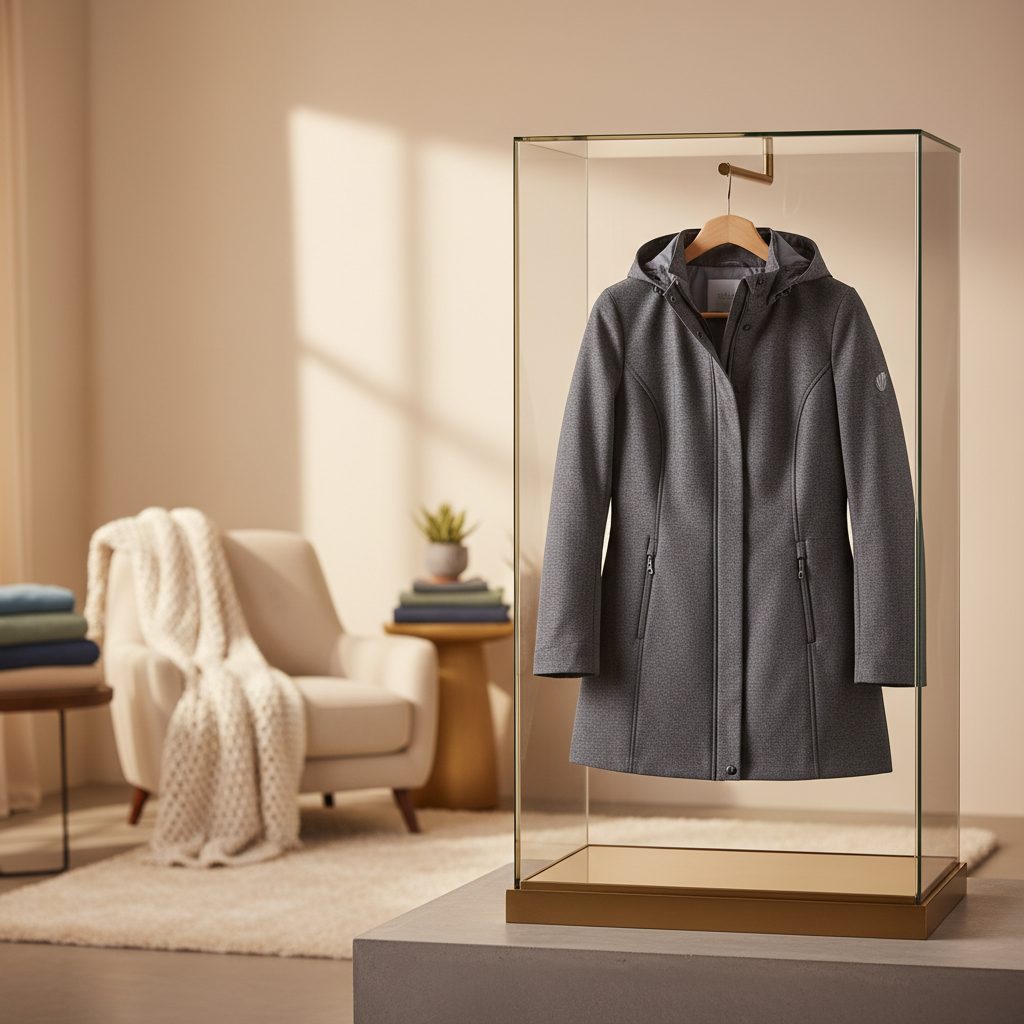
Understanding the Fundamentals of Softshell Technology
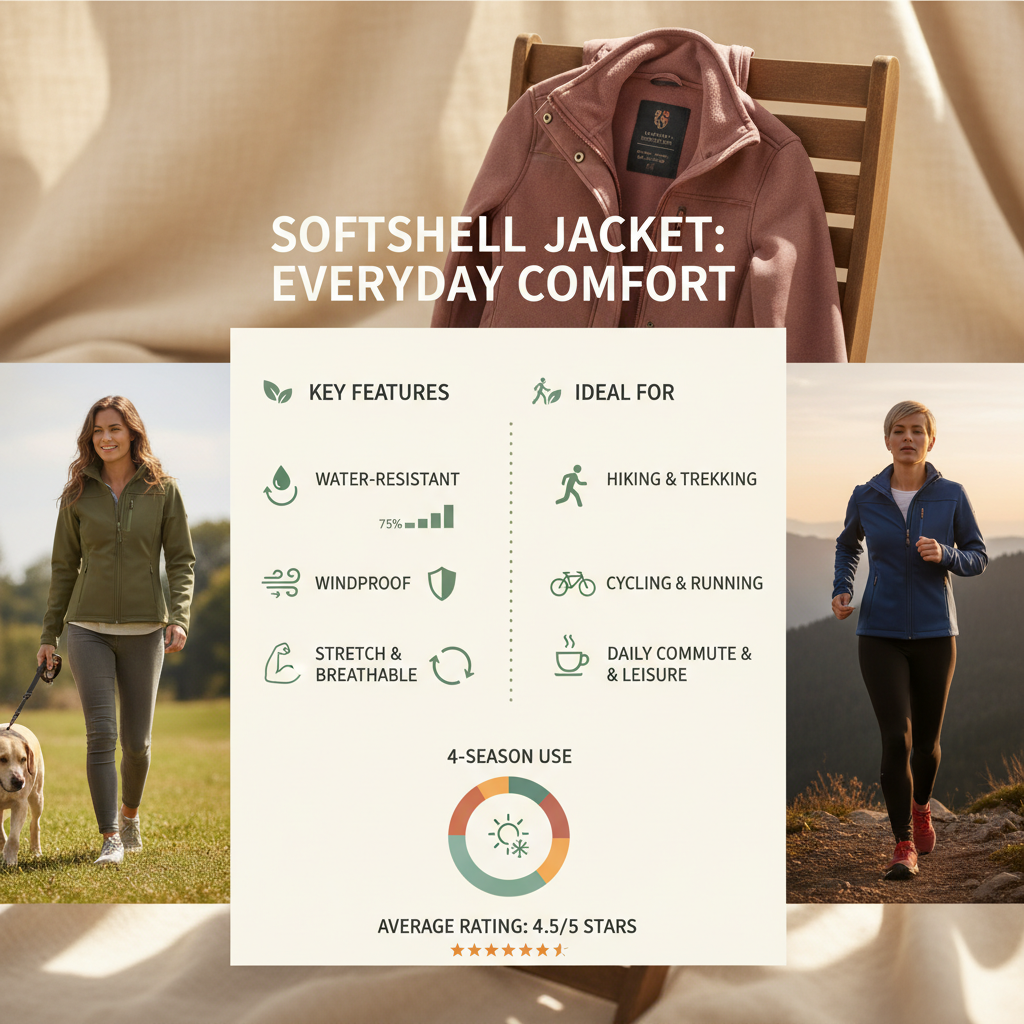
At its core, a softshell jacket womens is designed to be a multi-functional garment that bridges the gap between a fleece and a waterproof rain jacket. Unlike hardshells, which use a rigid, non-breathable waterproof membrane, softshells utilize a woven stretch fabric that is typically treated with a Durable Water Repellent (DWR) finish. This allows wind and light rain to bead off the surface while permitting internal moisture (sweat) to escape, preventing the "clammy" feeling often associated with heavy waterproofs.
The "soft" in softshell refers to the fabric's flexibility and the absence of a loud, crinkling sound during movement. For women, this means a garment that conforms to the body's natural curves without restricting range of motion, making it ideal for activities ranging from brisk walking to technical climbing. The integration of a bonded fleece lining provides an essential layer of thermal insulation, ensuring that the wearer remains warm even when the wind picks up.
The Global Demand for Women's Performance Outerwear
The global apparel market has seen a significant surge in the demand for specialized outerwear, with the softshell jacket womens segment growing rapidly. Industry data suggests that the trend toward "Gorpcore"—where functional outdoor gear is worn in urban settings—has expanded the target demographic from hardcore athletes to daily commuters. As more women engage in outdoor fitness and adventure travel, the requirement for clothing that manages temperature and moisture efficiently has become a priority.
Challenges in the industry often center around the "fit gap," where technical gear was historically designed for male proportions and simply scaled down. However, modern manufacturing now emphasizes ergonomic tailoring for women, ensuring that a softshell jacket womens provides the correct sleeve length and waist taper. This shift has not only increased consumer satisfaction but has also driven innovation in stretch-fabric weaving to accommodate diverse body types.
Furthermore, global climate volatility has made transitional clothing more essential than ever. With unpredictable spring and autumn temperature swings, the ability of a softshell to act as a standalone outer layer or a mid-layer under a heavier parka provides a level of adaptability that traditional jackets lack. This versatility is a key driver in the increasing adoption of these garments across North America, Europe, and Asia.
Core Components of a High-Quality Softshell
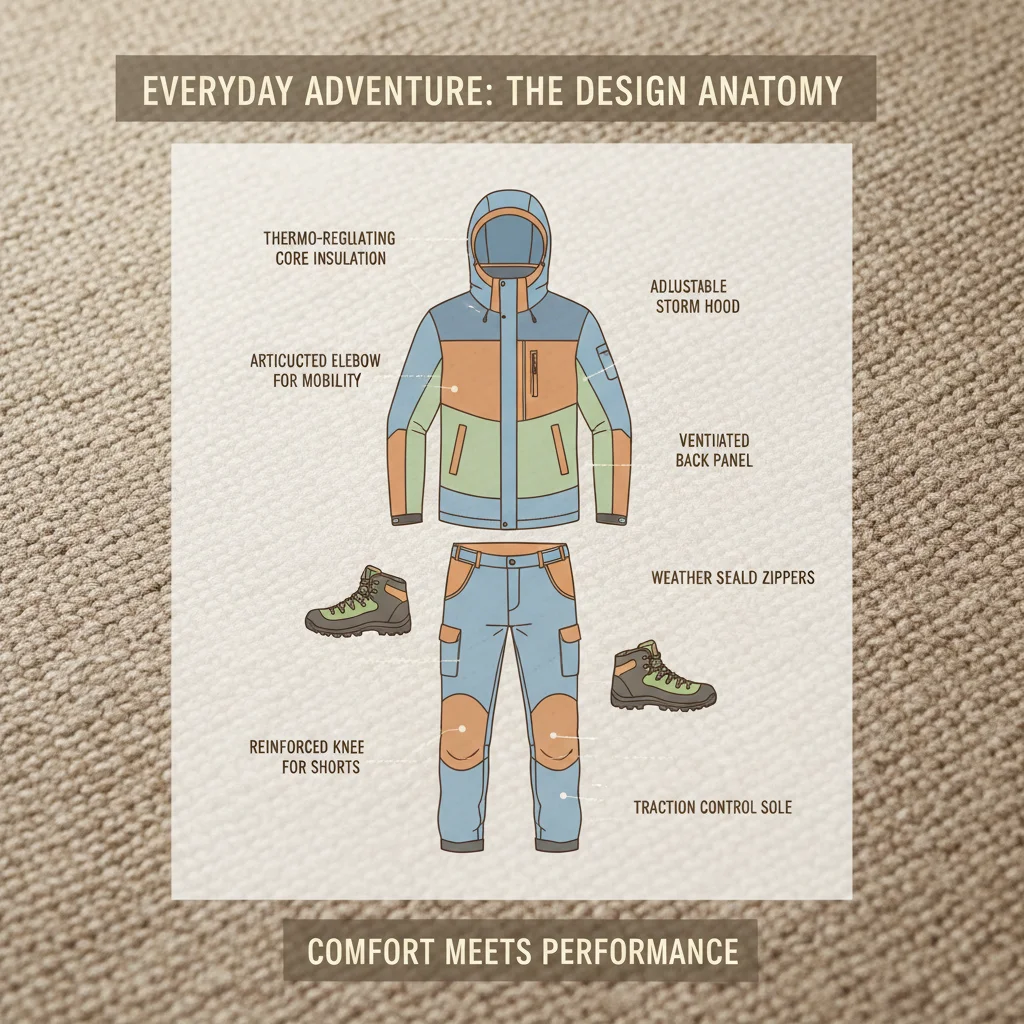
The effectiveness of a softshell jacket womens depends heavily on the quality of its face fabric. Most premium options utilize a blend of polyester and elastane, which provides the necessary water resistance and four-way stretch. This combination ensures that the jacket can withstand abrasion from backpacks or rocky surfaces while allowing the wearer to move freely.
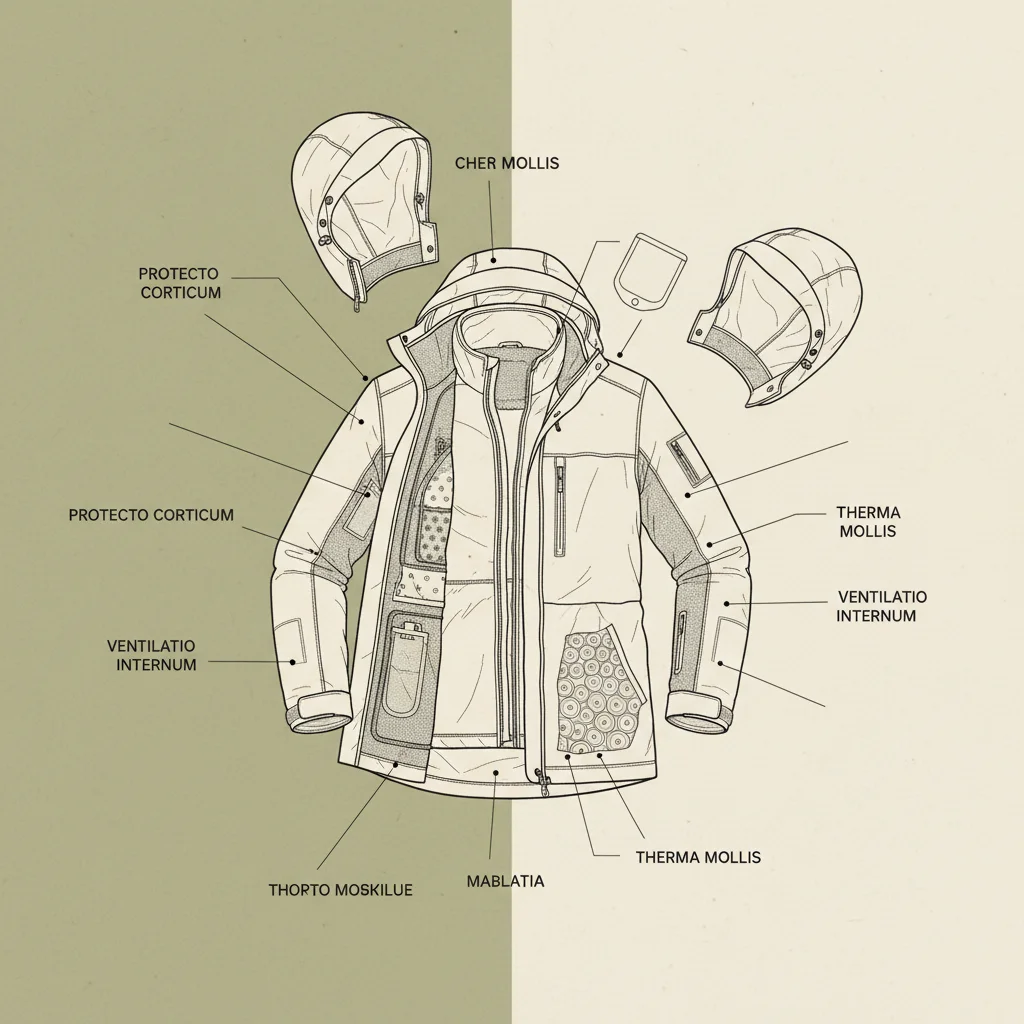
Beyond the surface, the inner membrane is where the true science of the softshell jacket womens lies. Whether it is a brushed tricot lining for warmth or a technical wind-blocking laminate, this layer is responsible for moisture wicking. It pulls sweat away from the skin and pushes it toward the outer fabric, maintaining a dry microclimate around the body.
Finally, the finishing touches—such as YKK water-resistant zippers, adjustable cuffs, and an ergonomic hood—determine the garment's practical utility. A high-performance softshell jacket womens will often feature articulated elbows and a dropped hem to ensure that no cold air enters the garment during active movement, providing a seamless blend of protection and comfort.
Comparing Softshell Performance Metrics
When evaluating different types of softshell jacket womens, it is helpful to look at performance metrics such as breathability, windproofing, and water resistance. Not all softshells are created equal; some are "lightweight" for high-aerobic activity, while others are "heavyweight" for stationary warmth.
By analyzing these variables, users can choose the specific model that fits their primary use case, whether it be for an alpine environment or a city stroll. The following data represents a comparative rating of different softshell construction methods based on typical performance benchmarks.
Performance Rating of Softshell Jacket Womens Varieties
Versatile Applications in Real-World Contexts
The practical application of the softshell jacket womens extends far beyond traditional sports. In professional industrial zones, where women work in field engineering or site management, these jackets provide a professional appearance while offering essential protection against wind and dust. Their durability makes them superior to standard office wear, yet they remain breathable enough for active site tours.
In recreational contexts, such as skiing or snowboarding, the softshell often serves as a primary layer during spring conditions. When the snow is melting and the air is warming, a heavy hardshell becomes oppressive; the softshell jacket womens allows the body to vent heat while still blocking the biting alpine wind, reducing the risk of overheating and subsequent chilling.
Long-Term Value and Sustainability Benefits
Investing in a high-quality softshell jacket womens offers significant long-term value. Because these garments are designed for durability, they often outlast traditional fashion jackets. The use of reinforced stitching and high-denier fabrics means fewer replacements, which logically reduces the overall environmental footprint of the wearer's wardrobe.
From a psychological perspective, wearing gear that is "fit for purpose" provides a sense of security and confidence. Knowing that your softshell jacket womens can handle a sudden drizzle or a wind gust allows for a more relaxed and mindful experience in nature. This emotional reliability is a key component of the luxury performance market.
Furthermore, the shift toward PFC-free DWR (Durable Water Repellent) coatings is making these jackets more eco-friendly. By removing harmful fluorocarbons from the manufacturing process, brands are ensuring that the softshell jacket womens not only protects the wearer but also respects the environment they are exploring.
Future Innovations in Textile Engineering
The future of the softshell jacket womens is being shaped by smart textiles and circular economy principles. We are seeing the emergence of "adaptive" fabrics that can change their breathability based on the wearer's skin temperature. Imagine a jacket that opens its microscopic pores as you start to run and closes them when you stop to admire a view—this is the next frontier of performance wear.
Digital transformation in manufacturing, such as 3D knitting and laser cutting, is also reducing fabric waste during production. For the softshell jacket womens, this means a more precise fit with fewer seams, which in turn reduces potential leak points and increases the overall strength of the garment.
Sustainability will continue to be the primary driver of innovation. The transition toward recycled ocean plastics and bio-based polymers will ensure that the next generation of softshells is fully biodegradable or infinitely recyclable.
Technical Analysis of Softshell Material Evolutions
| Material Generation |
Breathability Score |
Water Resistance |
Sustainability Level |
| Classic Polyester Blend |
6/10 |
Moderate |
Low |
| Bonded Fleece Laminate |
7/10 |
High |
Moderate |
| Recycled Nylon Softshell |
8/10 |
Moderate |
High |
| PFC-Free DWR Variant |
8/10 |
Moderate |
Very High |
| Smart Adaptive Fabric |
10/10 |
High |
Moderate |
| Bio-Polymer Hybrid |
9/10 |
High |
Maximum |
FAQS
Most softshells are water-resistant, meaning they can handle light rain and mist thanks to a DWR coating. They are not fully waterproof like a hardshell (Gore-Tex). If you expect heavy, prolonged downpours, a hardshell is better, but for most activities, the breathability of a softshell makes it more comfortable.
Avoid using harsh detergents or fabric softeners, as these can clog the pores of the fabric and break down the DWR coating. Use a technical wash designed for outdoor gear and tumble dry on low heat to "reactivate" the water-repellent finish.
Yes, but as a layering piece. A softshell provides great wind protection and some warmth, but it lacks the heavy insulation of a puffer jacket. For extreme cold, wear a base layer, a fleece or sweater, and use the softshell as your outer shield.
A windbreaker is typically a very thin, single-layer nylon shell with no insulation. A softshell jacket womens is a composite garment featuring a woven outer shell and a bonded inner lining (like fleece), providing significantly more warmth and durability.
You should re-apply DWR when you notice water is starting to "soak in" rather than beading up and rolling off the surface. Depending on usage, this typically happens every 6-12 months of active use.
Absolutely. Because hiking generates significant body heat, the breathability of a softshell prevents you from overheating while the wind-blocking properties keep you warm during breaks. It is widely considered the ideal hiking jacket for 40°F to 60°F (4°C to 15°C).
Conclusion
The softshell jacket womens stands as a masterclass in textile versatility, blending the essential needs of protection, breathability, and aesthetic appeal. By integrating advanced synthetic membranes with ergonomic design, these jackets empower women to navigate diverse environments—from rugged mountain trails to urban landscapes—with confidence and comfort. The transition toward sustainable materials and adaptive technologies only further cements the softshell's place as an indispensable tool for the modern, active woman.
As we look toward the future of outdoor apparel, the emphasis will continue to shift toward a holistic balance of performance and planet-consciousness. We encourage consumers to invest in high-quality, durable gear that reduces waste and enhances the outdoor experience. To find the perfect blend of technical specification and style, we invite you to explore our professional range. Visit our website: www.outdoor-apparels.com