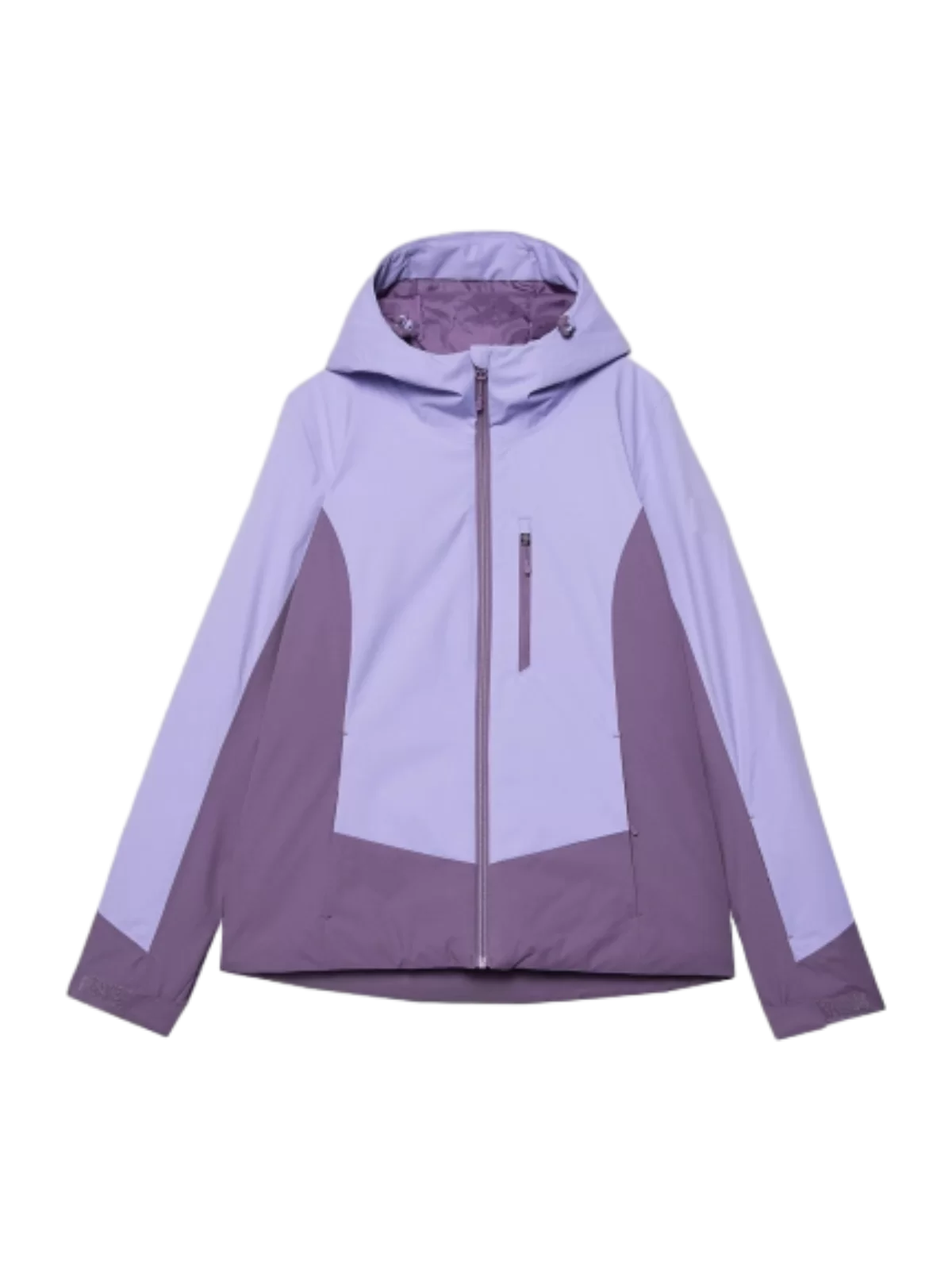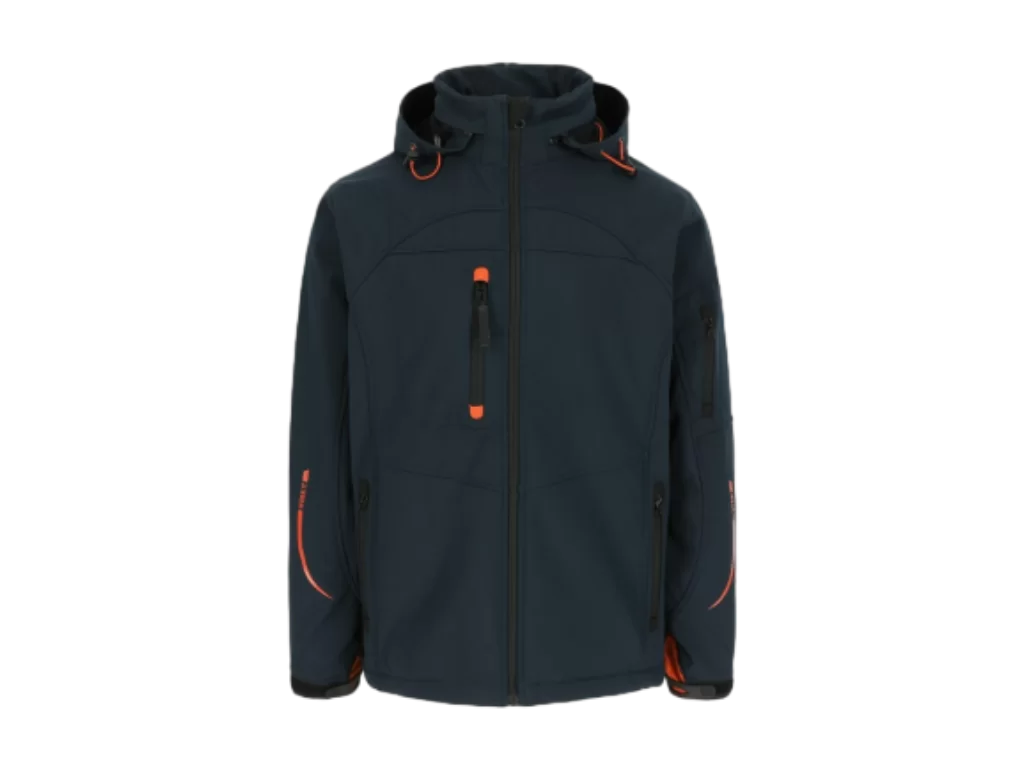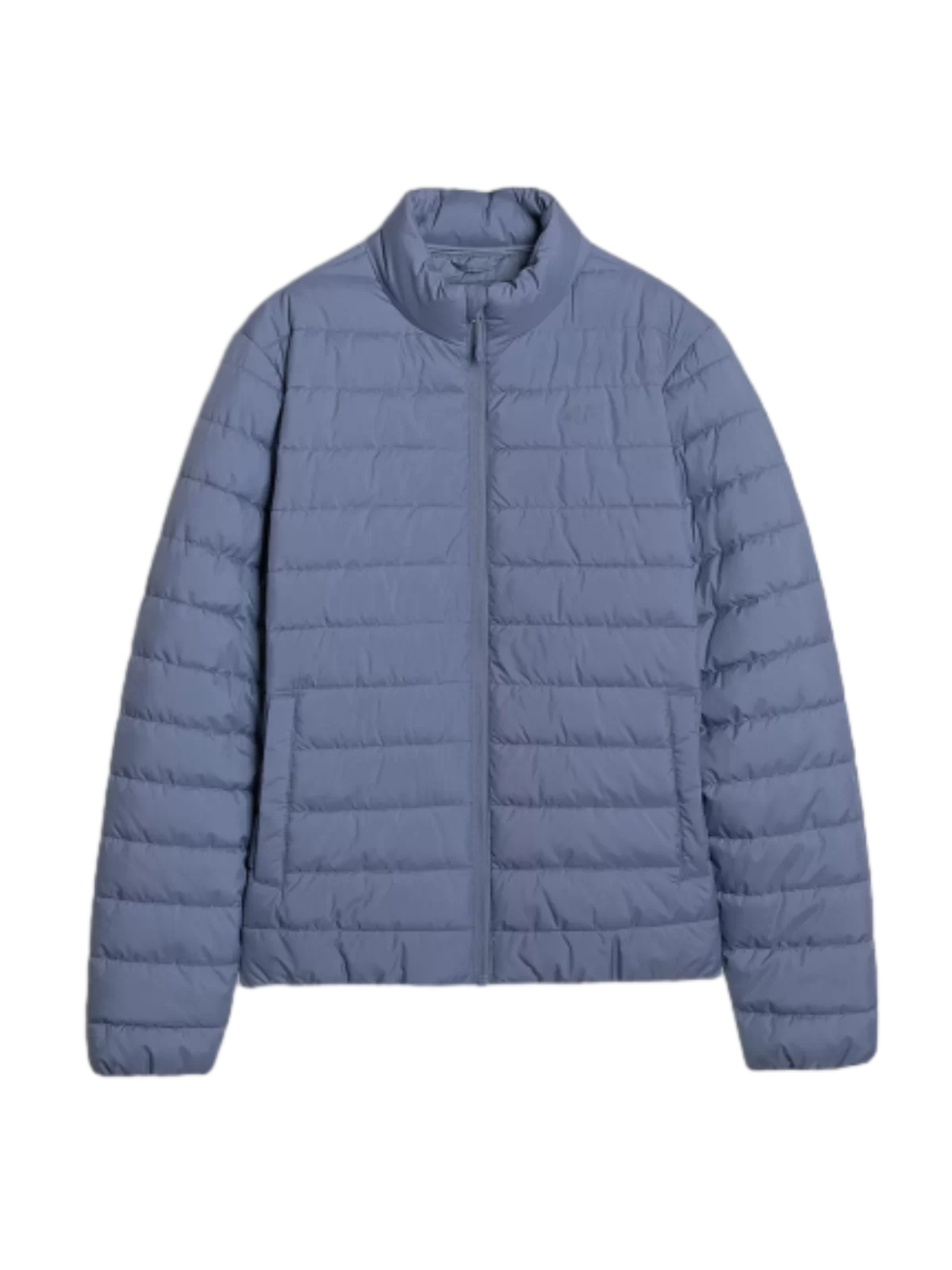
When it comes to gearing up for the outdoors, knowing your jackets can make or break your experience—literally. The debate between a hardshell jacket vs softshell is as old as outdoor gear itself, but it matters more than ever in today's climate of unpredictable weather and rugged landscapes. A reliable jacket isn’t just about style—it’s about safety, performance, and comfort. Understanding the difference can help you stay dry, warm, or cool exactly when you need it.
Outdoors activity participation has surged by over 20% worldwide in the past decade, according to data from the Outdoor Industry Association. People are tackling harsher environments, from the icy Scandinavian fjords to the humid rainforests of Southeast Asia. Clothing that protects against the elements while offering mobility is more crucial than ever.
On a broader scale, the ISO standards on protective clothing guide manufacturers worldwide, pushing innovation in fabrics and designs. But for individual users—from professional guides to weekend hikers—the question boils down to this: do you choose a sturdy, highly waterproof hardshell or a flexible, breathable softshell? It’s a question of preparedness versus comfort, protection versus mobility.
The right jacket can help you adapt seamlessly to changing conditions—this matters on a global scale because it influences safety, comfort, and outdoor experiences in a world that's suddenly less predictable.
In simple terms, hardshell jackets are designed primarily for maximum weather protection — they are waterproof, windproof, and tough. They often feature fully taped seams, durable outer layers, and water-resistant zippers. Think of them as your ultimate rain armor.
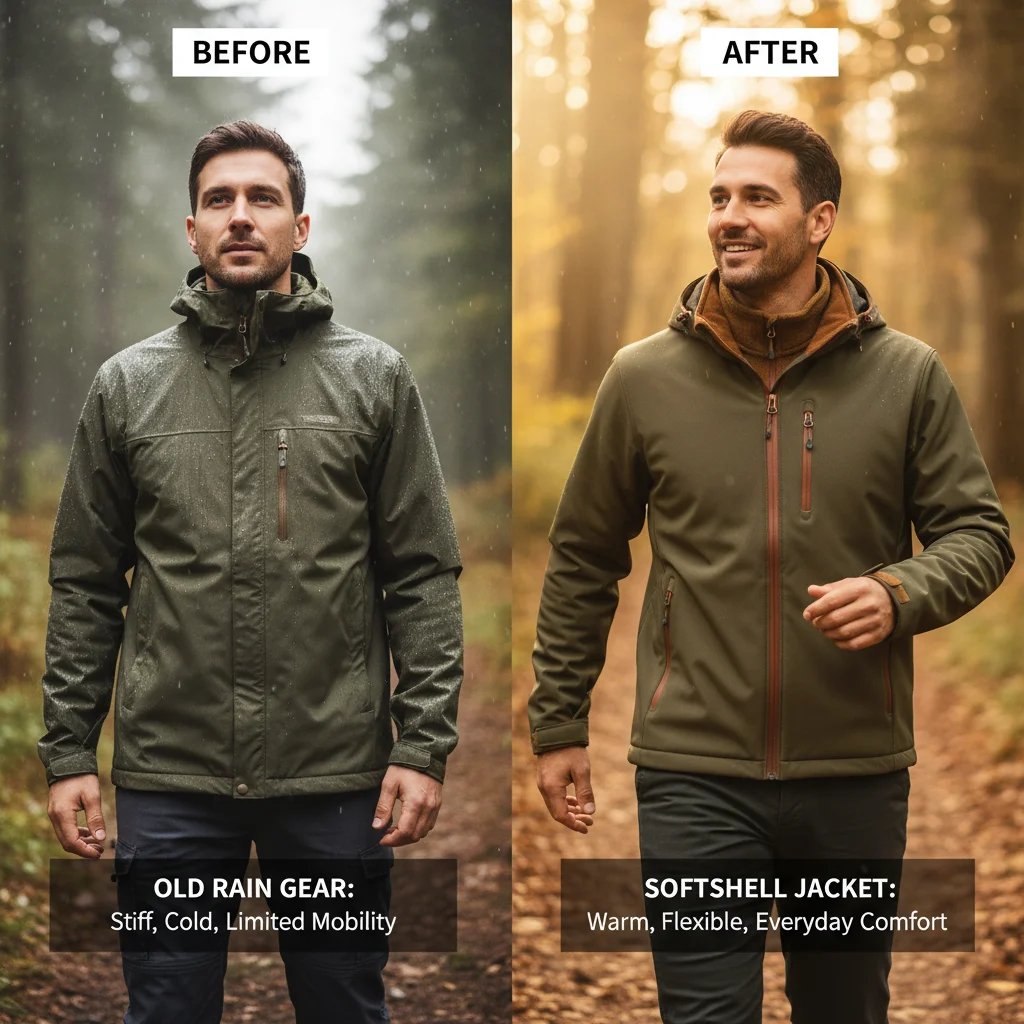
Softshell jackets, on the other hand, prioritize breathability and stretch. They are water-resistant but not usually fully waterproof and excel in conditions where wind resistance and flexibility matter more than keeping fully dry. They’re like the workout leggings of jackets — comfortable and adaptable.
Both serve important niches in modern outdoor industries—from rescue teams needing reliable protection to casual hikers craving comfort. The humanitarian aid workers trekking muddy zones need their gear to function reliably; this choice is critical.
Hardshells mean protection at a cost of some comfort. Softshells mean versatile comfort, at the compromise of full weatherproofing.
Hardshells win here hands down. A typical hardshell boasts a waterproof rating of 10,000 mm or more (measured by the hydrostatic head method), meaning it can endure heavy rain and sustained wet conditions. Softshells usually have a water resistance treatment (DWR) but lack taped seams, so they’re better in light rain or snow.
Softshells breathe like champions with stretchy fabrics that move as you move. They often use woven knit materials that wick sweat better. Hardshells can trap heat and sweat unless ventilated carefully, so they may need layering strategies.
Hardshells use denser, tougher outer fabrics designed to resist abrasions and punctures. Softshells, while durable, can snag or wear down faster on sharp rocks or branches.
Softshells generally weigh less and pack smaller, fitting better for multi-day treks. Hardshells are often bulkier due to membranes and taped seams.
Softshells are often warmer when dry since their knit fabric traps some air, but hardshells rely more on layering underneath.
| Feature | Hardshell Jacket | Softshell Jacket |
|---|---|---|
| Waterproofness | Fully waterproof (10,000 mm+ rating) | Water resistant (DWR coating) |
| Breathability | Moderate; vents often included | High; stretchy and ventilated |
| Weight | Heavier | Lightweight |
| Durability | High (abrasion and tear resistant) | Moderate |
| Ideal Use | Rain, wind, severe weather | Cooler, dry wind, light rain |
While both jackets protect you, their strengths lie in different natural elements. Matching your activity and environment with their technical specs makes all the difference.
From the icy backcountry of Canada to the rugged Alps trekking paths in Europe, the hardshell jacket vs softshell debate comes alive in many terrains. Rescue workers in the Himalayas rely on hardshell jackets to stay dry through blizzards. Meanwhile, softshell jackets are favored by trail runners in the Mediterranean for their breathability during swift changes in temperature.
Industries also get involved: construction and forestry workers in northern regions combine softshell or hardshell layers depending on shifts, while NGOs on humanitarian missions choose flexible jackets that pack well to handle multifaceted environments.
| Brand | Hardshell Features | Softshell Features | Price Range |
|---|---|---|---|
| Arc'teryx | GORE-TEX Pro membrane, taped seams | Stretch fabric, DWR treated | $350–$700 |
| Patagonia | 3-layer H2No® Performance Standard | Polartec Power Shield | $250–$600 |
| The North Face | DryVent waterproof technology | Soft breathable fleece blend | $150–$500 |
Hardshell jackets stand out for their lasting protection in extreme environments—whether that’s a sudden mountain storm or months of seasonal rain. Their rugged design extends product life, which is a sustainability win, reducing waste from gear turnover. On the emotional side, users feel secure, knowing they’re shielded.
Softshells bring unparalleled comfort and adaptability. Their ease encourages more outdoor time, promoting mental well-being and healthier lifestyles. They’re often perceived as more stylish for day-to-day use, offering a blend of function and fashion.
Choosing between hardshell jacket vs softshell is about prioritizing protection versus comfort—and both offer long-term value if matched well to your needs.
It’s exciting to see brands developing eco-friendly waterproof membranes using bio-based materials and PFC-free DWR treatments. Digital fabric printing advances allow for personalized layering with minimal waste. Some companies are integrating IoT sensors to monitor temperature, moisture, and even user location.
Additionally, advances in fabric recycling and circular economy initiatives are making their way into jacket manufacturing — a big deal when the industry produces millions of units annually.
One common hitch with hardshell jackets is their tendency to overheat during high-exertion activities without proper venting. Softshells can't handle torrential downpours, which can leave users soaked. Layering strategies and hybrid jackets that combine both materials offer promising solutions.
Also, cost can limit access to premium gear, prompting many to look for durable mid-priced options or rental services. This is an ongoing challenge especially for humanitarian workers who require dependable but affordable gear worldwide.
Whether you go for a hardshell or softshell depends largely on your activity, climate, and personal comfort preferences. Both types contribute valuable features—and pairing them smartly in layering systems almost always wins. Keep an eye on emerging sustainable tech and hybrid designs as well.
Ready to gear up? Discover more and find your perfect match at our website, where experts guide you through the latest hardshell jacket vs softshell options tailored to your adventures.
References:
1. Outdoor Industry Association. 2023 Outdoor Participation Report.
2. International Organization for Standardization (ISO) – Protective Clothing.
3. Textile Research Journal – Advances in Waterproof and Breathable Fabrics, 2022.


If you are interested in our products, you can choose to leave your information here, and we will be in touch with you shortly.