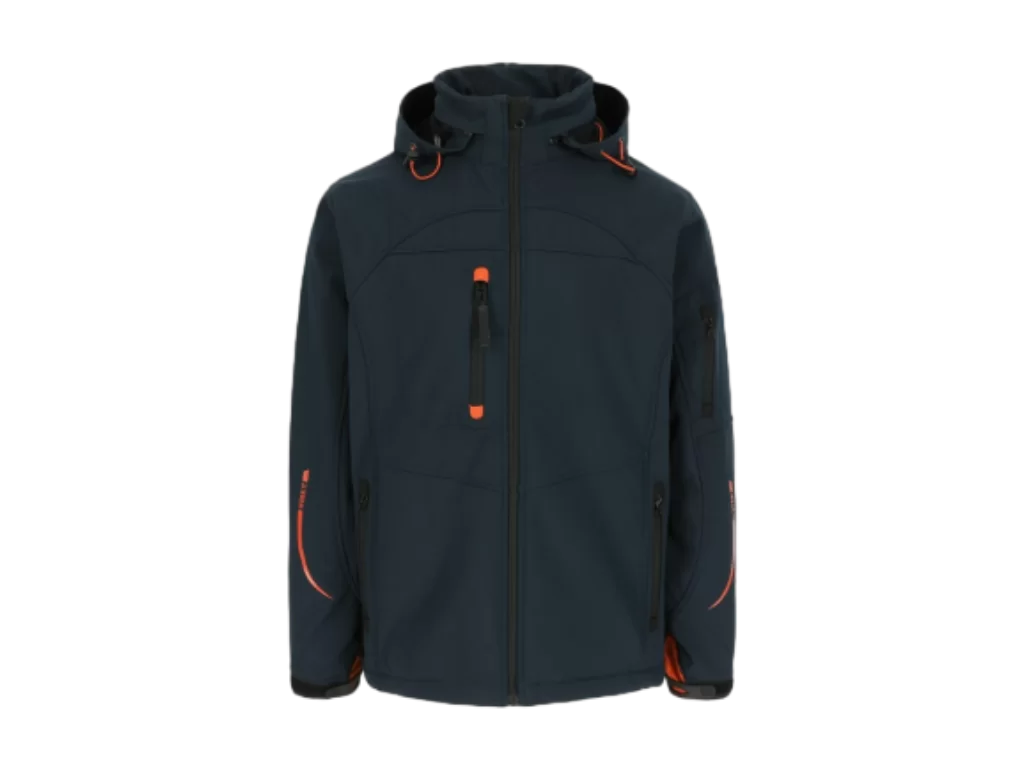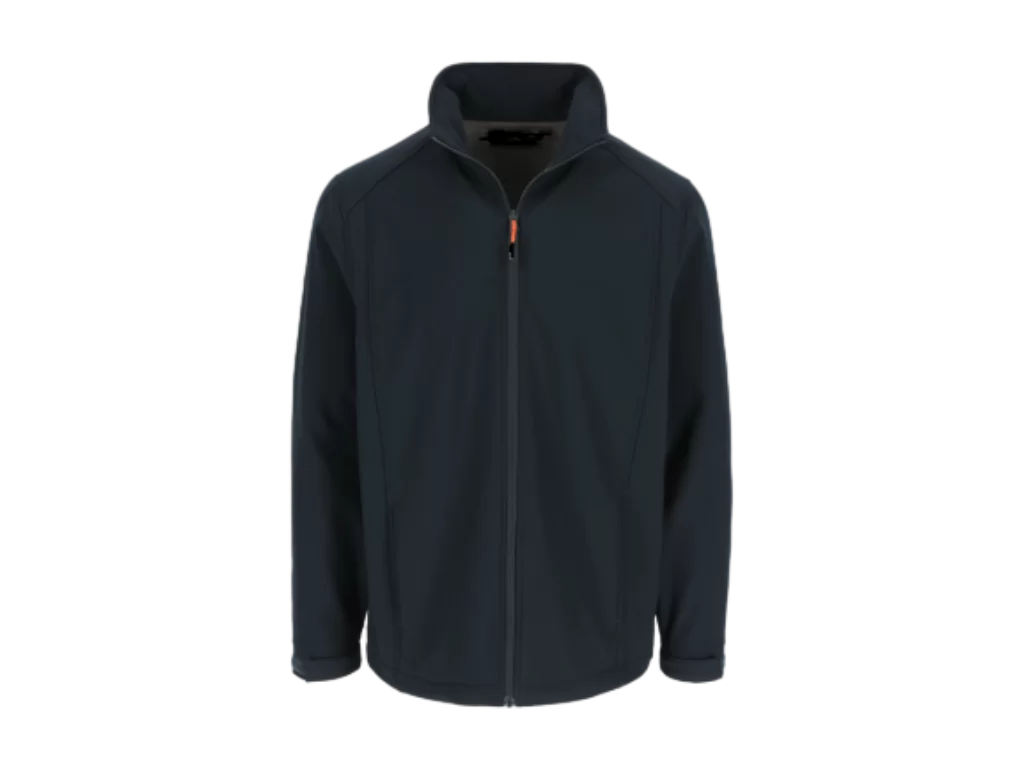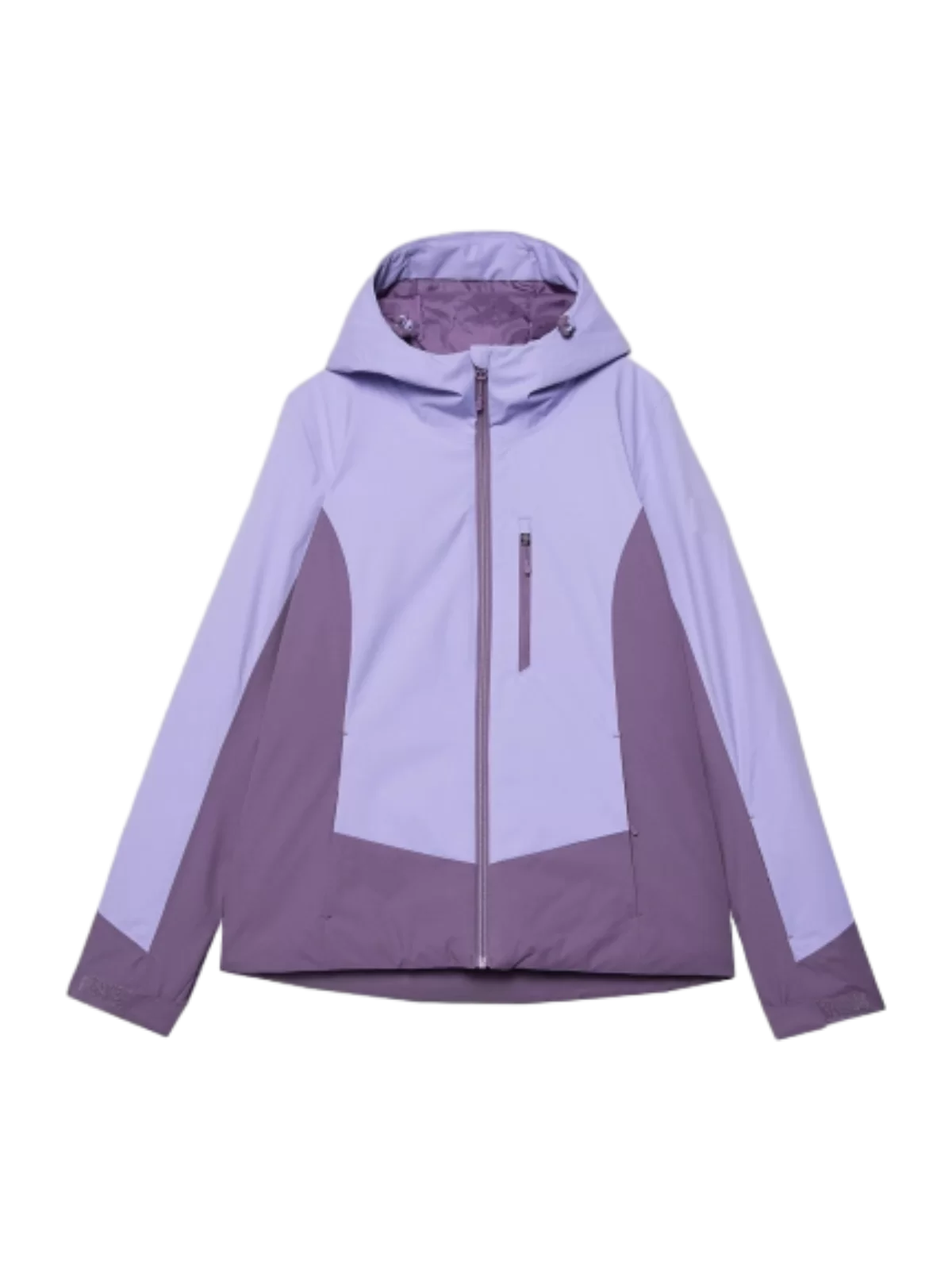
Every year, as the temperatures drop and the brisk winds begin their chill, many reach for a trusty women's warm puffer jacket to stay cozy. But beyond just a fashion statement or seasonal necessity, these jackets represent a fascinating intersection of material science, design innovation, and cultural shifts in how we prioritize comfort and sustainability. It's odd to think about, but the humble puffer jacket is more than just a bulky coat; globally, it’s part of discussions on ethical manufacturing, climate adaptation, and even urban mobility.
According to UN climate data, extreme weather events — including cold snaps — are increasing due to climate variability. That means more people need reliable, warm outerwear, especially in urban hubs and colder rural areas. Moreover, industry reports from the International Organization for Standardization note growing consumer demand for sustainable materials and ethical production methods in textiles. Women's warm puffer jackets sit right at the crossroads of this global trend, addressing both immediate comfort and longer-term environmental concerns.
However, challenges such as ensuring thermal efficiency while keeping jackets lightweight and affordable remain. This balance is crucial as consumers seek to invest in garments that last multiple seasons without compromising on style or sustainability.
At its core, a women's warm puffer jacket is a garment insulated in a quilted pattern to trap heat effectively. Typically made from lightweight synthetic or natural materials filled with down, feathers, or advanced fibers, these jackets are engineered for warmth. But they’re more than just a functional winter coat — they’re designed to accommodate active lifestyles, urban commuting, and even layering for extreme outdoor activities.
This type of jacket meets modern industry needs by combining thermal insulation, water resistance, and breathability. Humanitarian organizations, for instance, often equip vulnerable populations with these jackets during cold crises, emphasizing their practical role beyond civilian fashion.
The warmth a puffer jacket provides largely depends on its insulation—down feathers offer excellent natural loft and warmth but can be less ethical or problematic for allergy sufferers. Synthetic fills, meanwhile, mimic down’s thermal properties but dry faster and retain insulation when wet.
Durability and water resistance often come from materials like ripstop nylon or polyester with DWR (durable water repellent) coatings, enhancing weather protection without adding bulk.
Look for fully-seamed or welded baffles that prevent insulation clumping, maintaining even warmth distribution.
Women's puffer jackets often include tailored cuts and articulated sleeves for both style and ease of movement, allowing wearers to stay comfortable throughout their day.
Many brands now prioritize recycled materials and eco-friendly dyes, responding to ISO textile standards and growing environmental awareness.
| Feature | Details |
|---|---|
| Insulation | 700-fill power goose down OR polyester synthetic |
| Outer Material | Ripstop nylon with DWR treatment |
| Weight | Approx. 400–600 grams |
| Water Resistance | Light to moderate water resistance |
| Sizing | Available XS to XL, tailored fit |
| Certifications | RDS (Responsible Down Standard), OEKO-TEX |
Mini takeaway: Choosing a quality women's warm puffer jacket means weighing material types, fit, and sustainability — key elements that affect user comfort and environmental impact.
From the snowy streets of Stockholm to the mountainous regions of Nepal, women's warm puffer jackets are a staple in both everyday life and professional fields. Outdoor guides rely on these jackets to withstand rapidly changing weather, while urban commuters appreciate their lightweight warmth combined with sleek designs.
Humanitarian groups use them extensively in cold-weather emergency interventions; for example, aid organizations distribute insulated puffers to refugees during winter months to combat hypothermia risks, demonstrating a powerful social impact.
Moreover, industries such as logistics and outdoor sports frequently outfit their female employees with high-performance puffer jackets tailored to their work conditions. This cross-sector demand underscores the widespread utility of these garments beyond just fashion.
Advancements include graphene-infused insulation, which offers remarkable warmth-to-weight ratios. Additionally, the fashion industry increasingly adopts recycled ocean plastics in jacket shells, aligning with global sustainability goals.
Digitally integrated features are also on the horizon—imagine a puffer jacket with embedded temperature sensors or Bluetooth connectivity to enhance user experience during outdoor activities. These innovations suggest women's warm puffer jackets will keep evolving in form and function.
One persistent challenge is balancing high warmth levels with lightweight comfort without hiking the price too steeply. Some brands use layered insulation to tackle this, combining synthetic and natural fills strategically.
Further, achieving full sustainability is complicated by supply chains. Transparency initiatives and certifications like the RDS help, but the market still demands wider adoption.
As consumers grow more environmentally conscious, communication about these aspects will be crucial for brands to build trust and loyalty.
| Brand | Insulation Type | Price Range | Sustainability Certifications | Key Feature |
|---|---|---|---|---|
| ArcticLine | 700-fill Down (RDS Certified) | $180–$250 | RDS, OEKO-TEX | Windproof shell |
| EcoWarm | Recycled polyester synthetic | $120–$190 | Global Recycled Standard | 100% recycled materials |
| SummitPeak | Hybrid (down + synthetic mix) | $200–$300 | Bluesign approved | Stretch panels for mobility |
Q1: What’s the difference between down and synthetic insulation in puffer jackets?
A1: Down insulation comes from the soft undercoat of birds, offering superior warmth-to-weight ratio but can lose effectiveness when wet. Synthetic insulation uses polyester fibers that dry faster and retain warmth even when damp, making them ideal for wet conditions. Your choice depends on activities and preferences.
Q2: How can I make sure a puffer jacket is eco-friendly?
A2: Look for certifications like the Responsible Down Standard (RDS), Global Recycled Standard, or OEKO-TEX labels. Brands focusing on recycled materials, low-impact dyes, and transparent supply chains typically prioritize sustainability.
Q3: Are puffer jackets good for very cold climates?
A3: Absolutely, but you want a higher fill power rating (600+), windproof shells, and snug fits to prevent heat loss. Layering underneath also enhances warmth for extreme cold.
Q4: How do I care for my puffer jacket to keep it lasting?
A4: Follow manufacturer instructions carefully. Usually, gentle machine-washing in cold water with down-specific detergents helps, and tumble drying with tennis balls fluffs insulation. Store in cool, dry areas to prevent moisture damage.
Q5: Can I wear a puffer jacket during active sports?
A5: Yes! Many jackets now feature stretch panels and breathable fabrics designed for mobility and sweat management, perfect for hiking, skiing, or cycling in chilly conditions.
Women’s warm puffer jackets aren't just pieces of clothing; they're practical, stylish, and increasingly sustainable solutions to face cold weather with confidence. They fuse innovative materials with thoughtful design to address both comfort and conscience. Whether for urban commutes, backcountry adventures, or humanitarian efforts, these jackets are versatile staples that matter more than ever.
If you’re intrigued and want to explore curated options that mix style and substance, do check out womens warm puffer jacket collections that focus on quality and sustainability. It feels like investing here isn’t just about warmth, but about being part of a global movement toward smarter, kinder fashion.
Next time you zip up your puffer, remember — it’s not just about staying warm, but making a statement on how we care for ourselves and the planet.
If you are interested in our products, you can choose to leave your information here, and we will be in touch with you shortly.