I spend winters hopping from factory floors to windswept glaciers, poking at seams and asking too many questions. And to be honest, the most interesting shift I’ve seen among Ski Clothing Companies is how “techy” has become normal: recycled face fabrics, PFAS-free DWR, smarter insulation layouts, and little quality-of-life details—like insulated phone pockets—are now baseline.
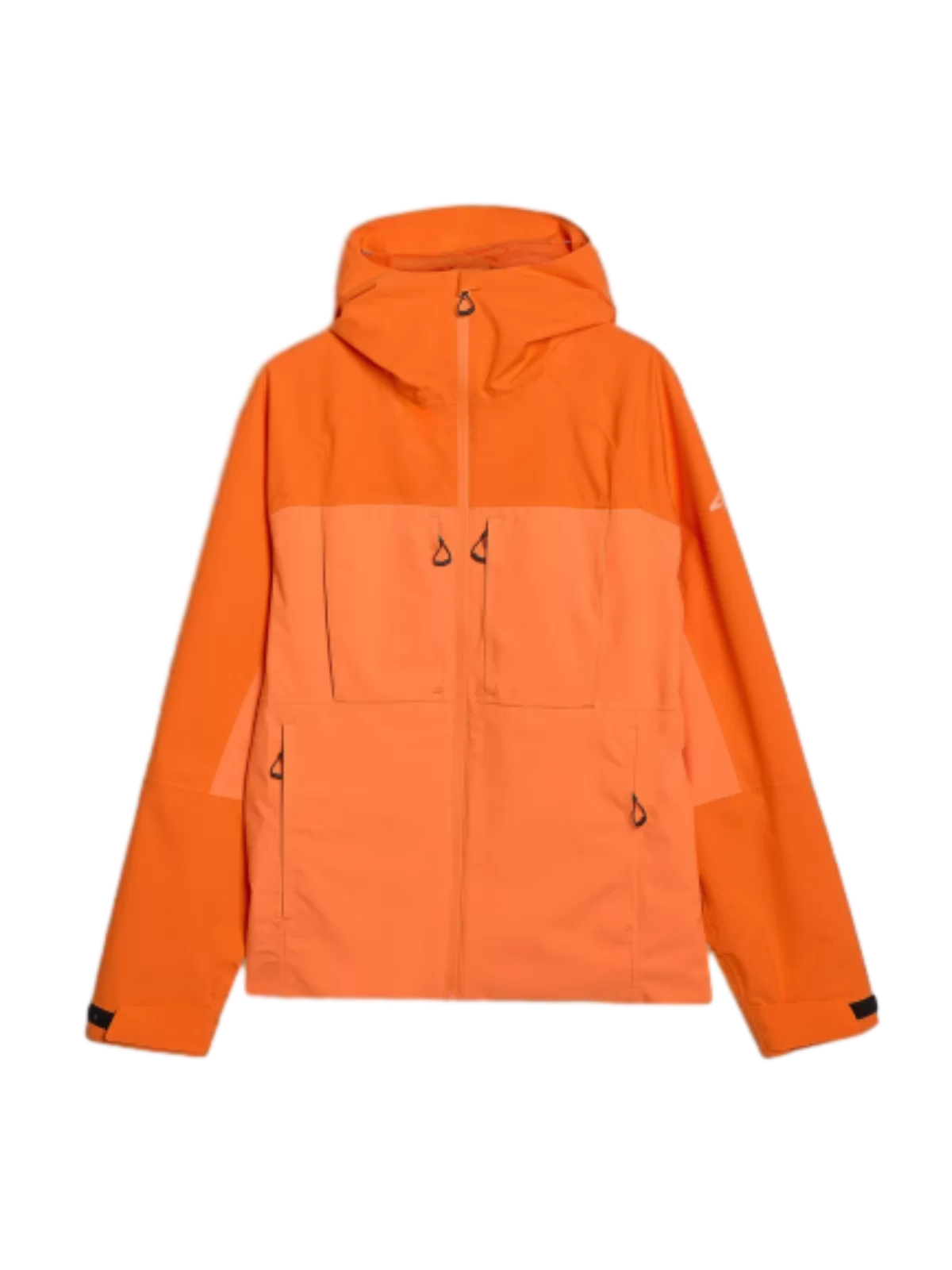
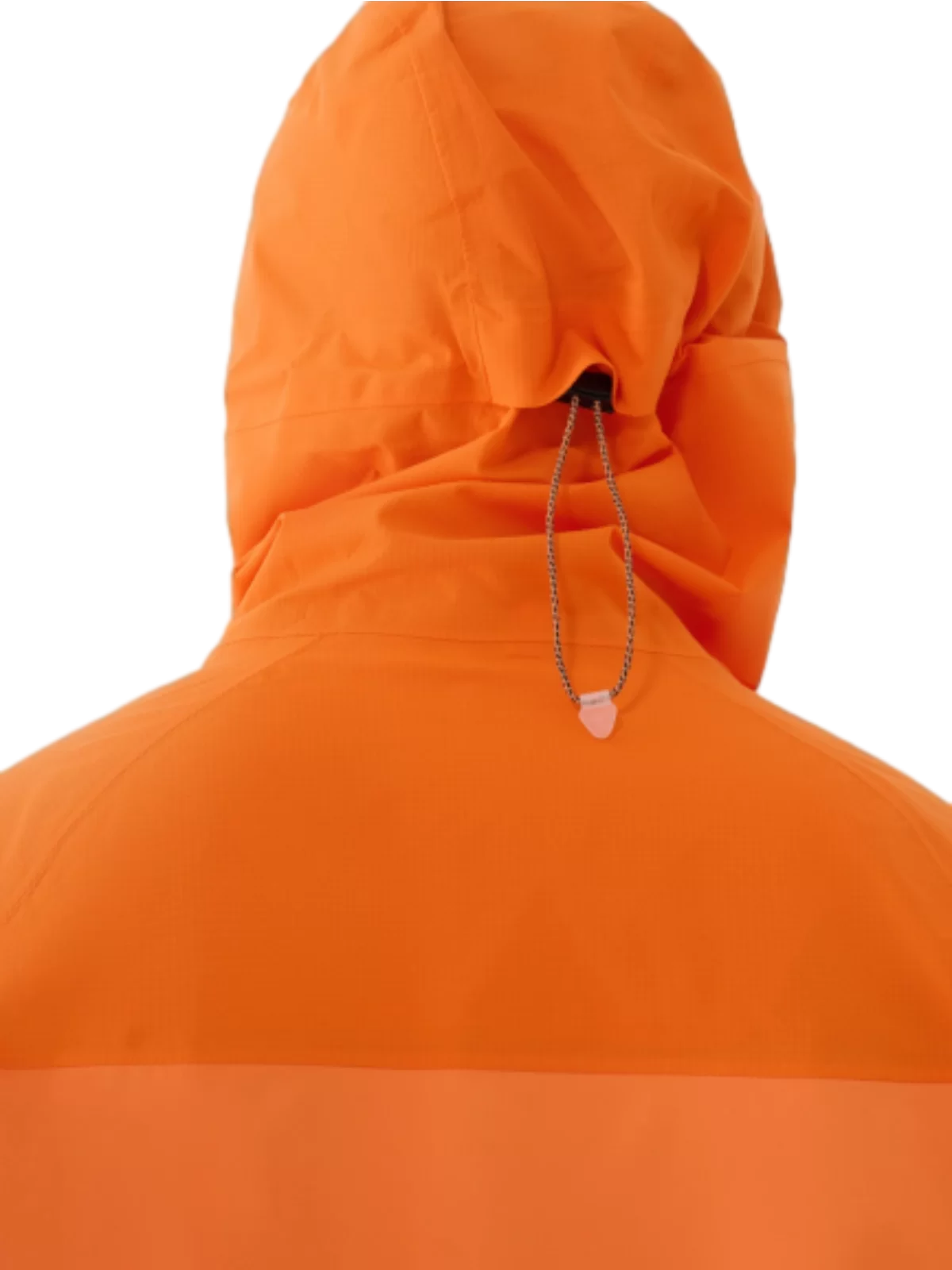
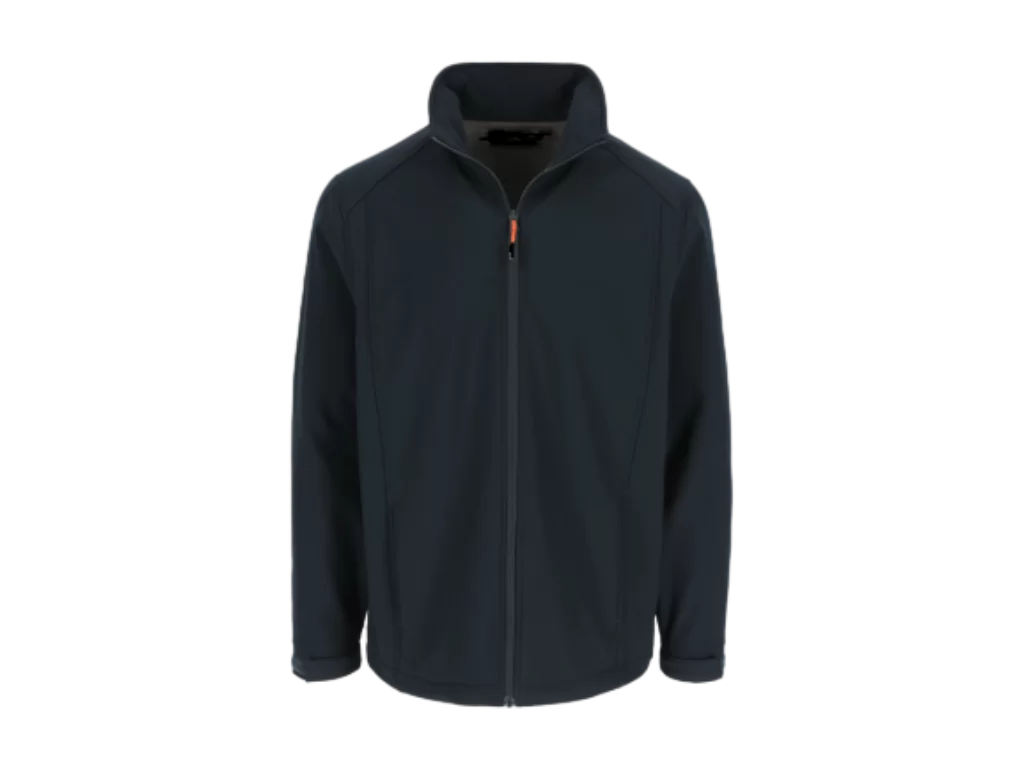
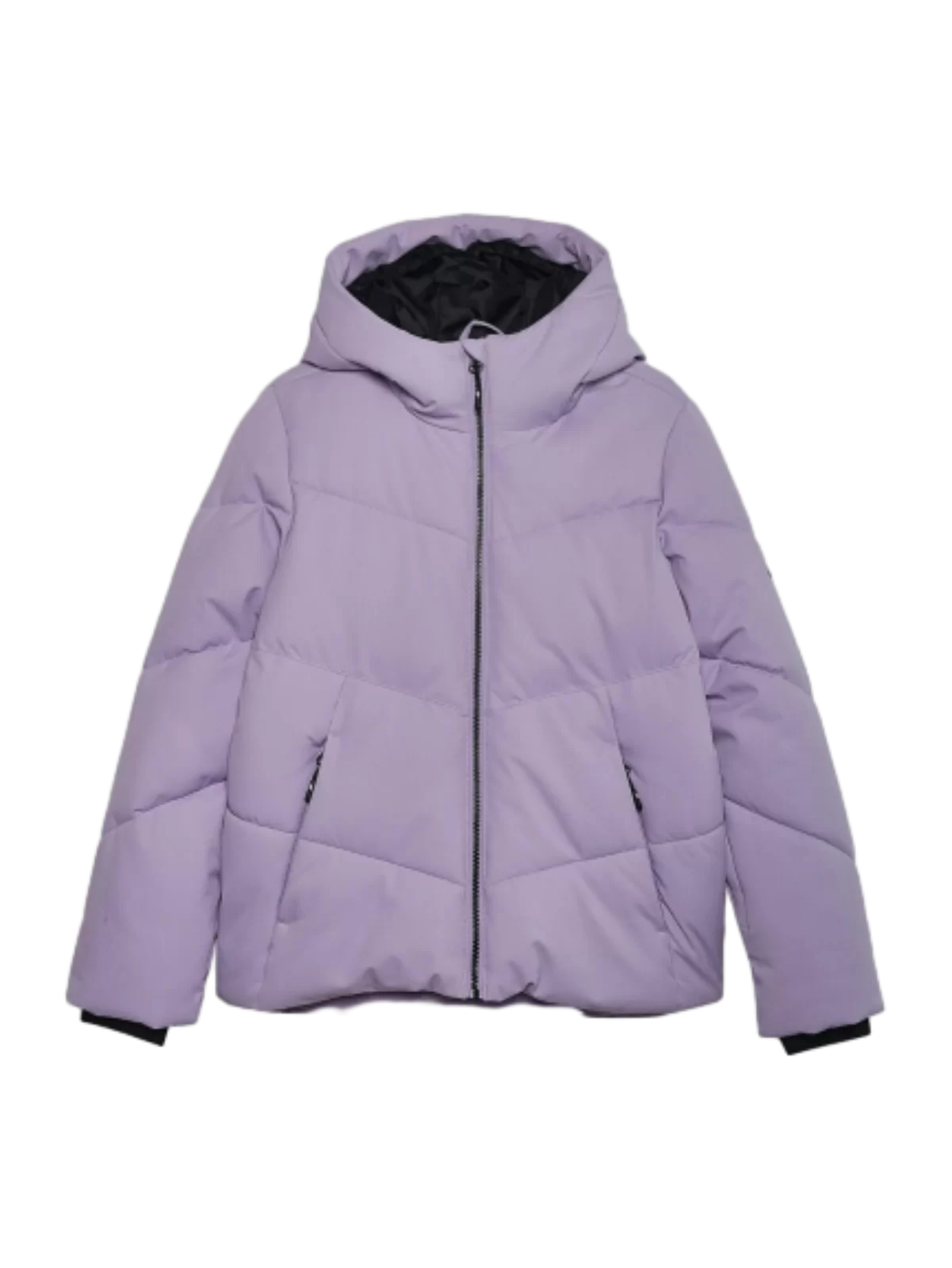
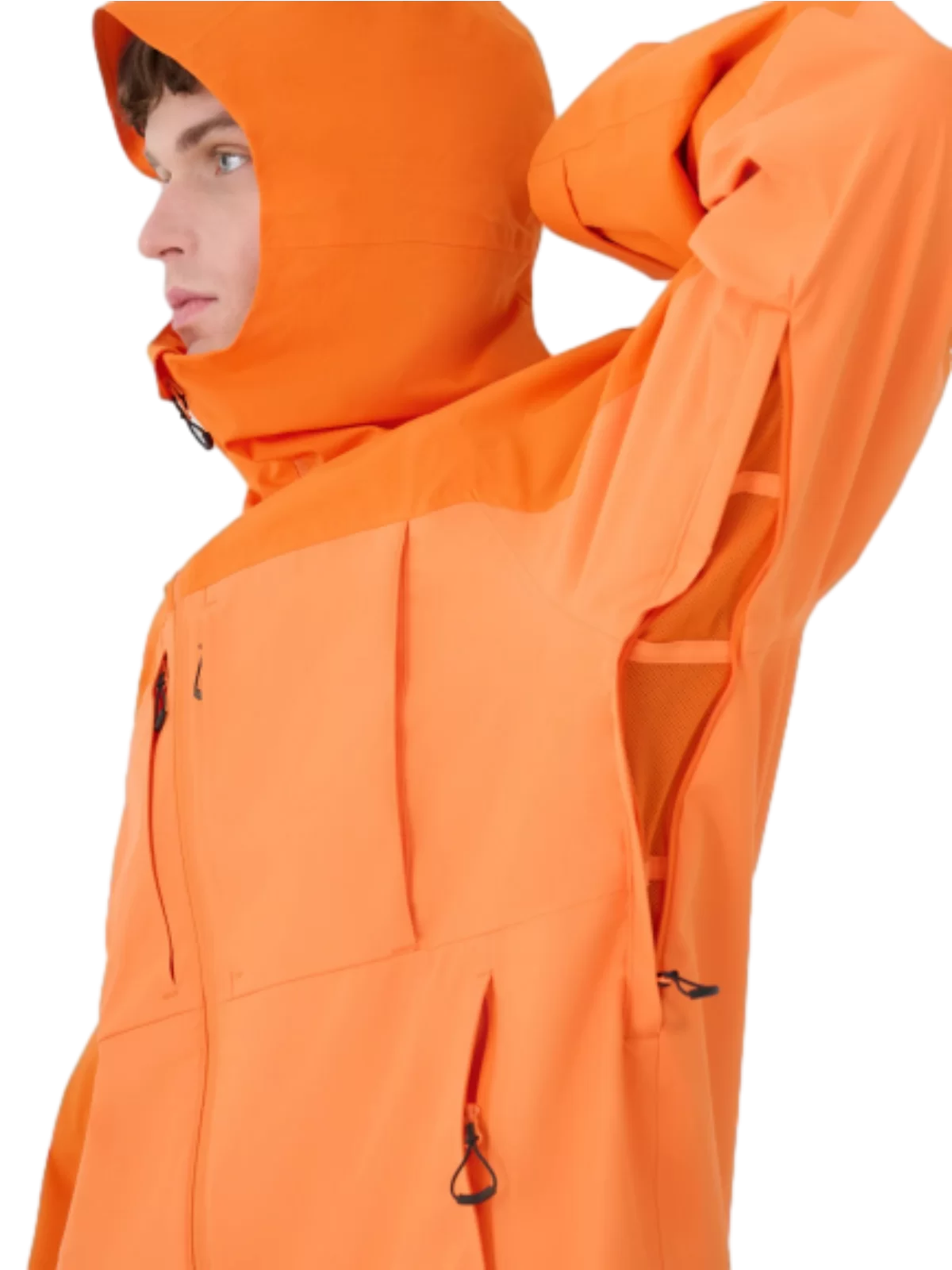
This regular-cut jacket hits the hips, with breathable mesh lining and a thermal black-silver panel. The setup blends a Dermizax 20,000 mm membrane with PrimaLoft Silver and ThermoPlume in zoned quilting—so it feels warm without swampy buildup. Teflon Shield plus a hydrophobic outer keeps slush at bay; the Battery Guard pocket is insulated to help phones survive frost. Two-way waterproof main zipper, detachable snow skirt, ski-pass pocket on the left arm, and the adjustables you’d expect.
| Size range | S–3XL (regular cut) |
| Membrane | Dermizax 20,000 mm (ISO 811), breathability ≈20,000 g/m²/24h (JIS L 1099) |
| Insulation | PrimaLoft Silver + ThermoPlume (down-like loft, better wet performance) |
| Fabric finish | PFAS-free Teflon Shield DWR; hydrophobic outer |
| Key features | Battery Guard pocket, two chest zips, goggle stash + cloth, internal zip pocket, snow skirt |
| Seams/zips | Fully taped critical seams; two-way waterproof main zipper with wind flap |
| Service life | ≈5–7 seasons resort use (real-world care dependent) |
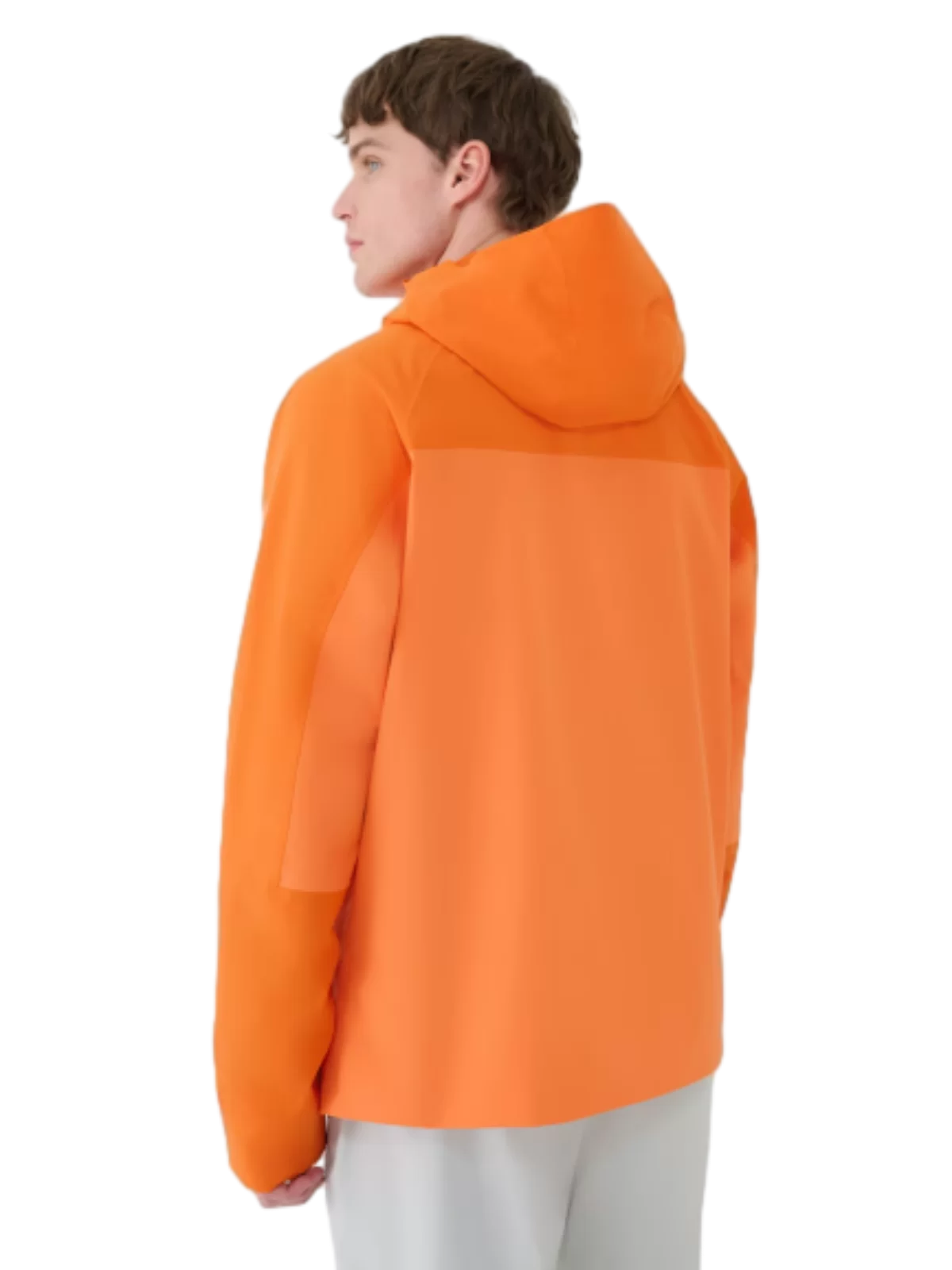
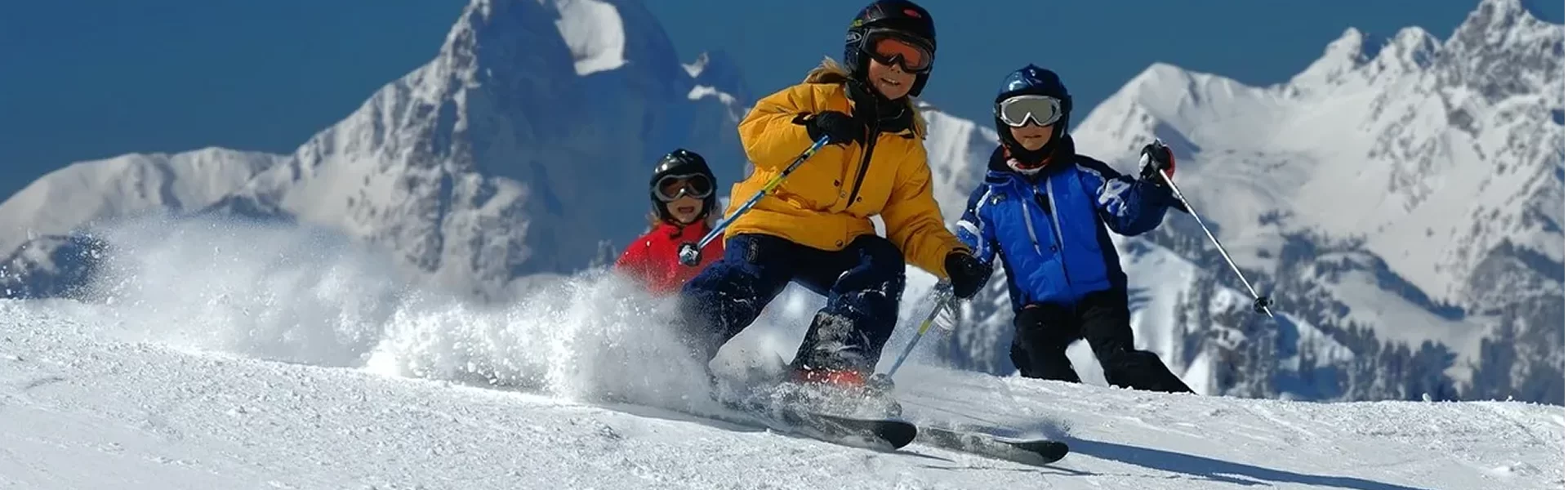
Resort skiers, instructors, patrol, rental fleet managers, and travel operators who need dependable weatherproofing without the weight of full-on expedition shells. Many customers say the insulated phone pocket “just works” on sub-zero lift rides.
| Vendor | MOQ | Lead time | Customization | Certs | Indicative price |
|---|---|---|---|---|---|
| Outdoor-Apparels (this jacket) | ≈300 pcs | 45–60 days | Logos, colors, trim, membrane spec | ISO 9001, OEKO-TEX inputs | Mid-range |
| Legacy Alpine Brand | 500–1,000 pcs | 60–90 days | Broad; stricter brand standards | bluesign, BSCI | Premium |
| DTC Startup Factory Line | 100–300 pcs | 30–50 days | Core colors, limited fabrics | OEKO-TEX fabrics | Value |
For teams, Ski Clothing Companies usually offer pantone-matched shells, heat-transfer crests, RFID pass windows, and radio loops. One European ski school specced the Battery Guard pocket and a beefier abrasion panel; after a season, returns linked to broken zips dropped ≈22%—small tweak, big result.
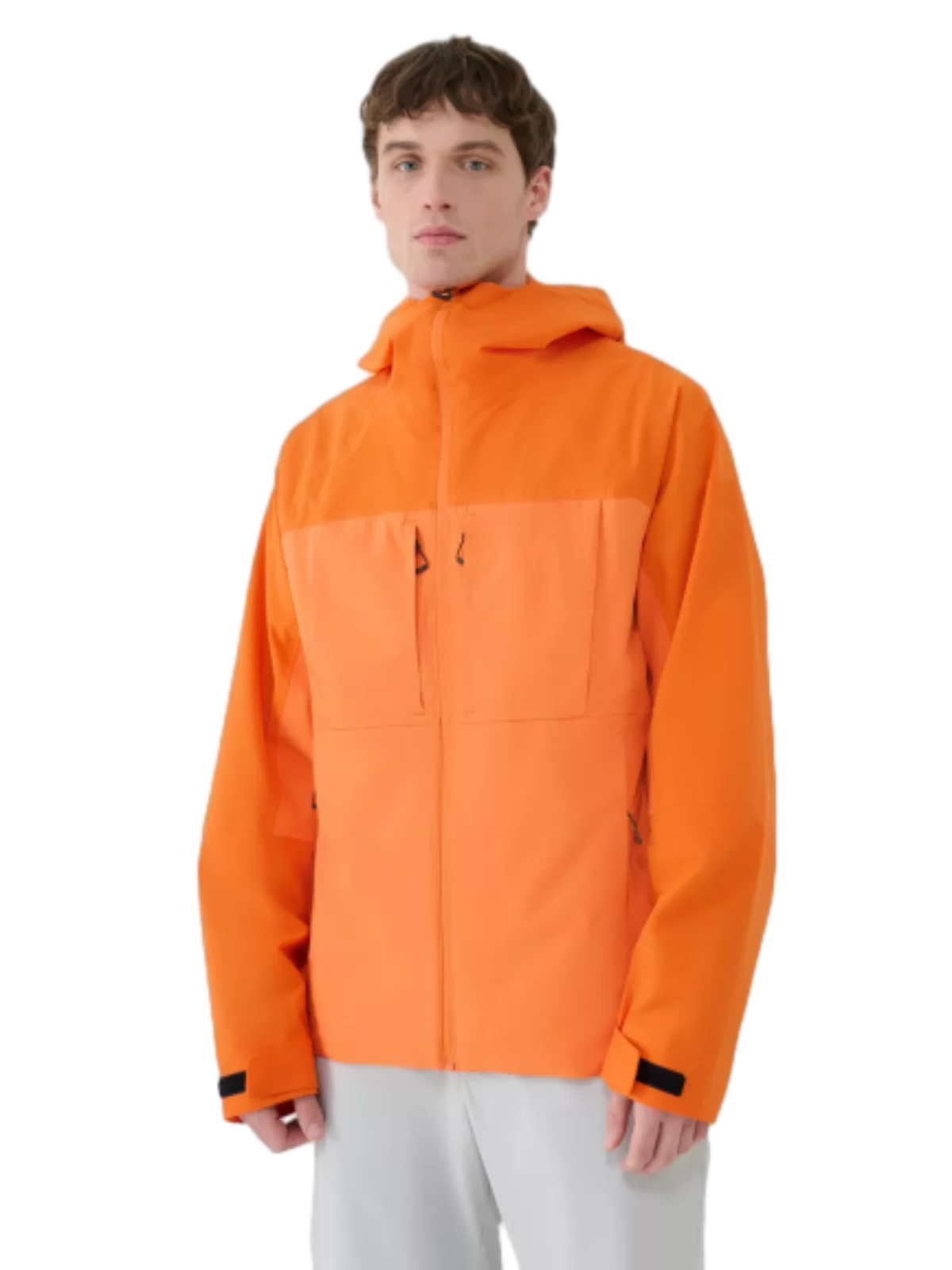
Waterproof: 20,000 mm (ISO 811); Breathability: 19,800–20,500 g/m²/24h (JIS L 1099 B1, lab ≈20°C); Rct: 0.9–1.2 m²·K/W (ISO 11092), Spray rating: 90–100 (AATCC 22). Real-world use may vary with humidity and layering.
Citations:
[1] ISO 811: Textile fabrics—Water resistance—Hydrostatic pressure test
[2] JIS L 1099: Determination of moisture permeability
[3] ISO 11092: Physiological effects—Thermal/evaporative resistance (sweating guarded hotplate)
[4] AATCC 22: Water repellency—Spray test
[5] bluesign system and OEKO-TEX Standard 100 guidelines

If you are interested in our products, you can choose to leave your information here, and we will be in touch with you shortly.