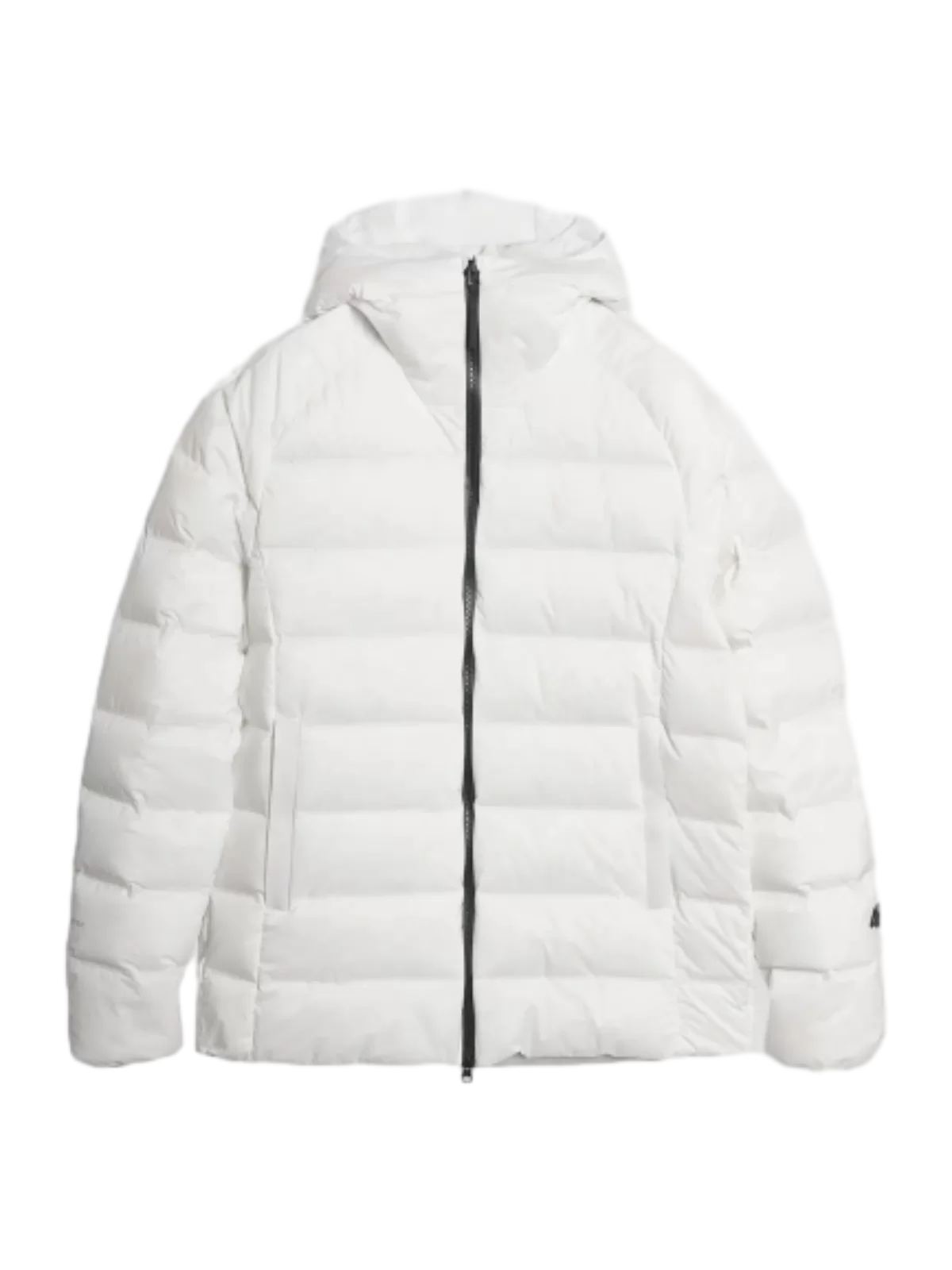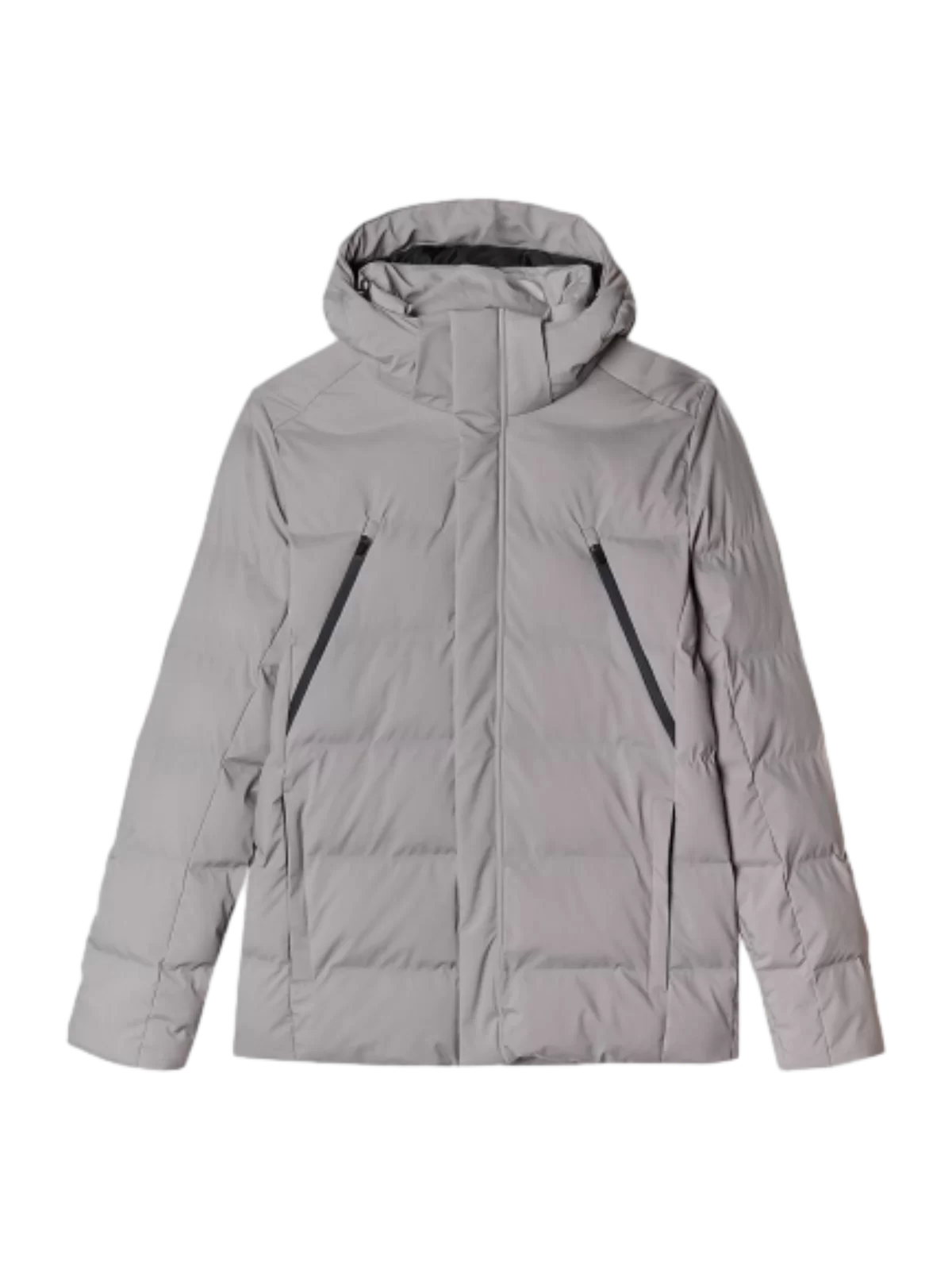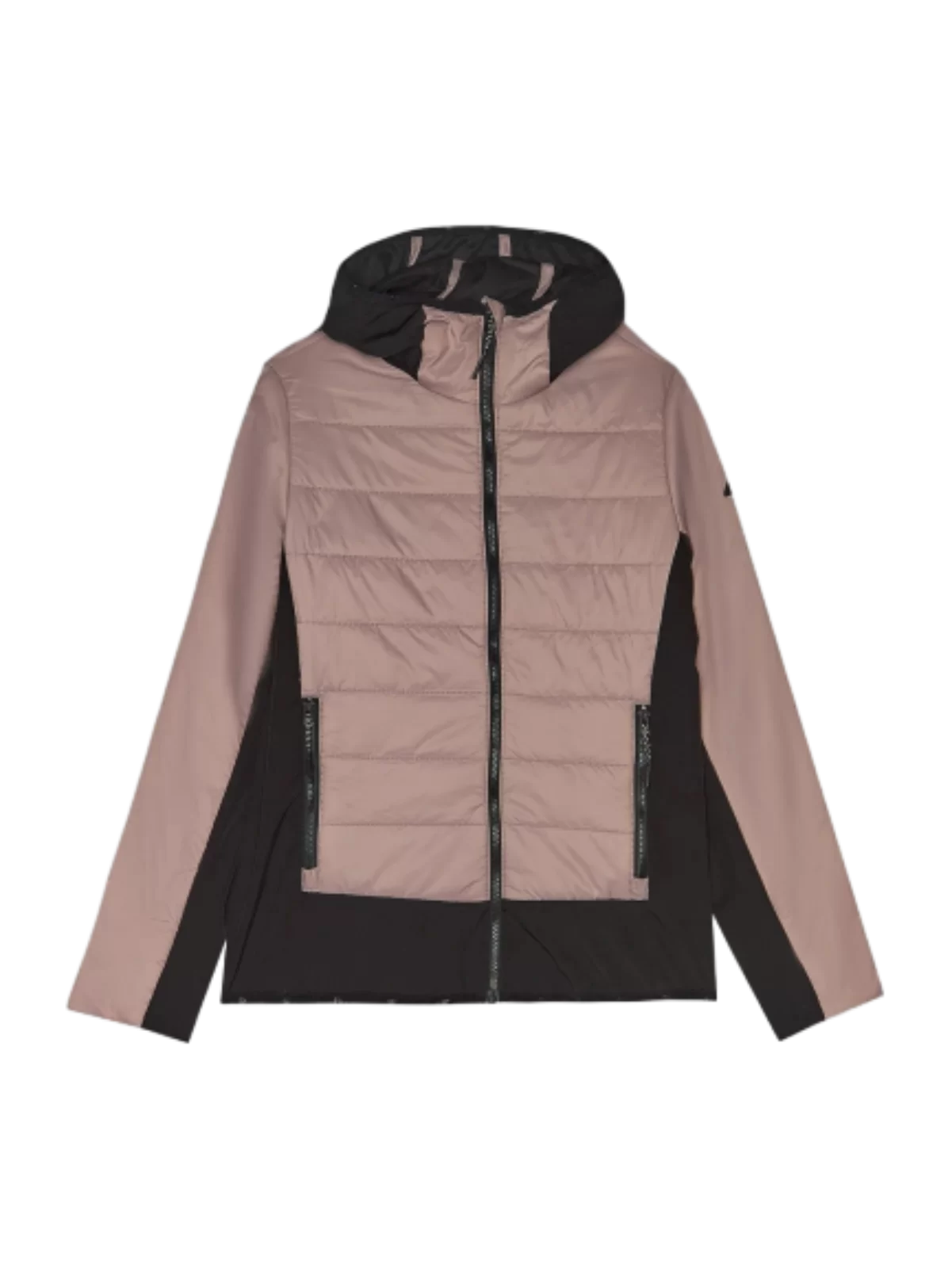
As the temperature drops, staying warm and comfortable becomes a priority. Mens winter puffer jackets are a fantastic solution, providing excellent insulation without sacrificing style. Whether you're braving the city streets or enjoying outdoor adventures, a high-quality puffer jacket is an essential part of your winter wardrobe. This article will guide you through everything you need to know about choosing the perfect puffer jacket to meet your needs. We'll cover key features, materials, and how to find the best fit, all with a focus on quality and lasting warmth.
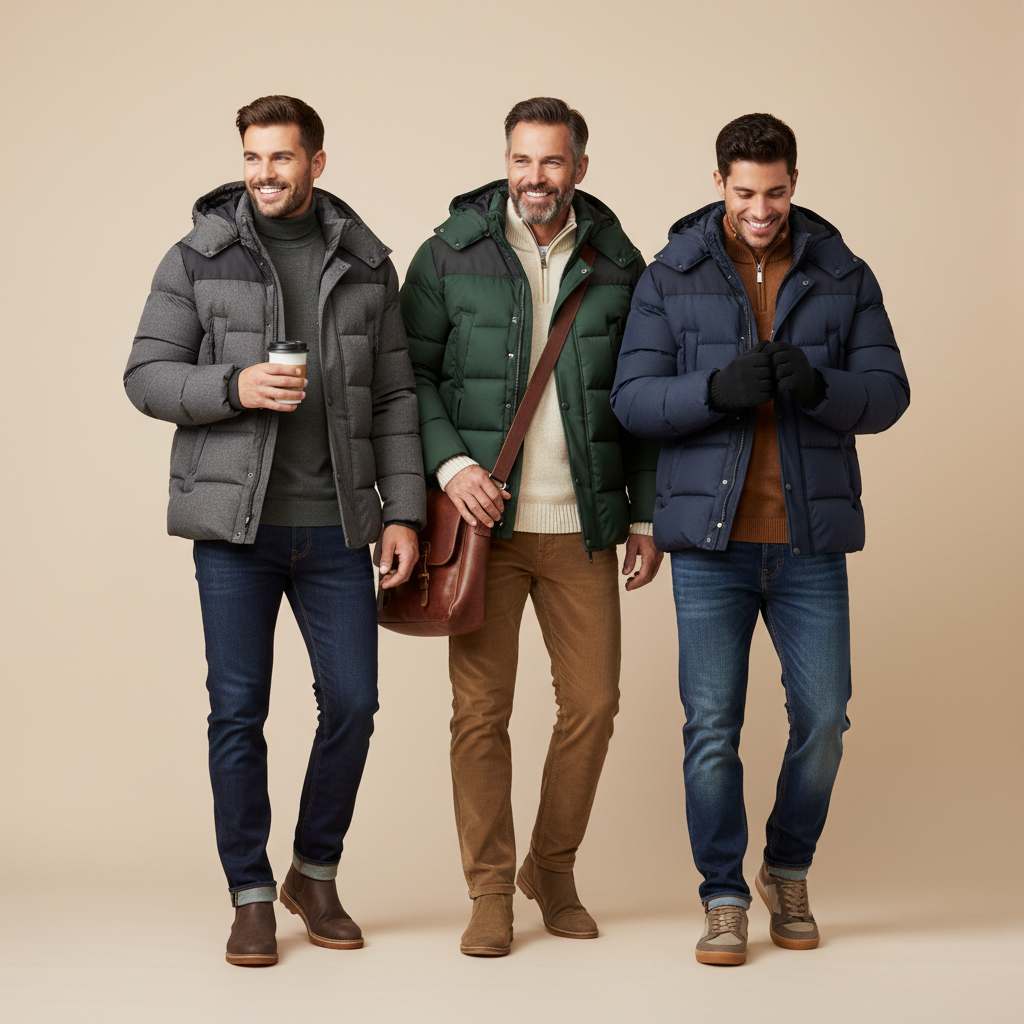
Puffer jackets get their name from their quilted design, which creates air pockets that trap heat and provide insulation. The key components of a puffer jacket include the outer shell, the insulation, and the lining. The outer shell is often made from materials like nylon or polyester, providing wind and water resistance. The insulation can be down feathers or synthetic materials like polyester fibers. Down is known for its exceptional warmth-to-weight ratio, while synthetic insulation offers benefits like affordability and continued warmth even when wet. The lining is typically made from a smooth fabric like polyester to enhance comfort and ease of layering. Choosing the right combination of these elements is crucial for optimal performance. Explore our collection for a range of options to suit your preference.
Key Takeaway: The construction of a puffer jacket directly impacts its warmth, weight, and durability. Understanding these components will help you make an informed purchasing decision.
One of the biggest decisions when choosing a mens winter puffer jacket is whether to opt for down or synthetic insulation. Down offers superior warmth for its weight and is incredibly compressible, making it ideal for backpacking and travel. However, it loses its insulating properties when wet and takes longer to dry. Synthetic insulation, on the other hand, retains its warmth even when damp and dries much faster. It's also a more affordable option and often hypoallergenic. Consider your typical activities and weather conditions to determine which insulation type best suits your needs. If you frequently encounter wet conditions, synthetic insulation might be the better choice.
Down vs. Synthetic: Quick Comparison
• Down: Excellent warmth-to-weight ratio, highly compressible, loses warmth when wet.
• Synthetic: Retains warmth when wet, dries quickly, more affordable, hypoallergenic.
• Cost: Down is generally more expensive
• Maintenance: Down requires more careful cleaning and storage.
Beyond insulation, several other features contribute to a puffer jacket’s overall performance. Look for a water-resistant or waterproof outer shell to protect against rain and snow. A well-designed hood is essential for keeping your head and neck warm. Consider features like adjustable cuffs, a drawcord hem, and internal pockets to customize the fit and secure your belongings. Also, pay attention to the jacket’s fill power – a higher fill power indicates higher quality down and greater warmth. A good fill power for winter jackets is typically 600 and above.
A well-fitting puffer jacket is crucial for maximizing warmth and comfort. You should have enough room to layer clothing underneath without feeling restricted. Consider your body type and intended use when choosing a size. If you plan to wear the jacket during high-activity pursuits, a more athletic fit might be preferable. For casual wear, a relaxed fit will provide greater comfort. Check the brand's size chart carefully and, if possible, try on the jacket before purchasing. Browse our selection of sizes and styles to find the perfect fit for you.
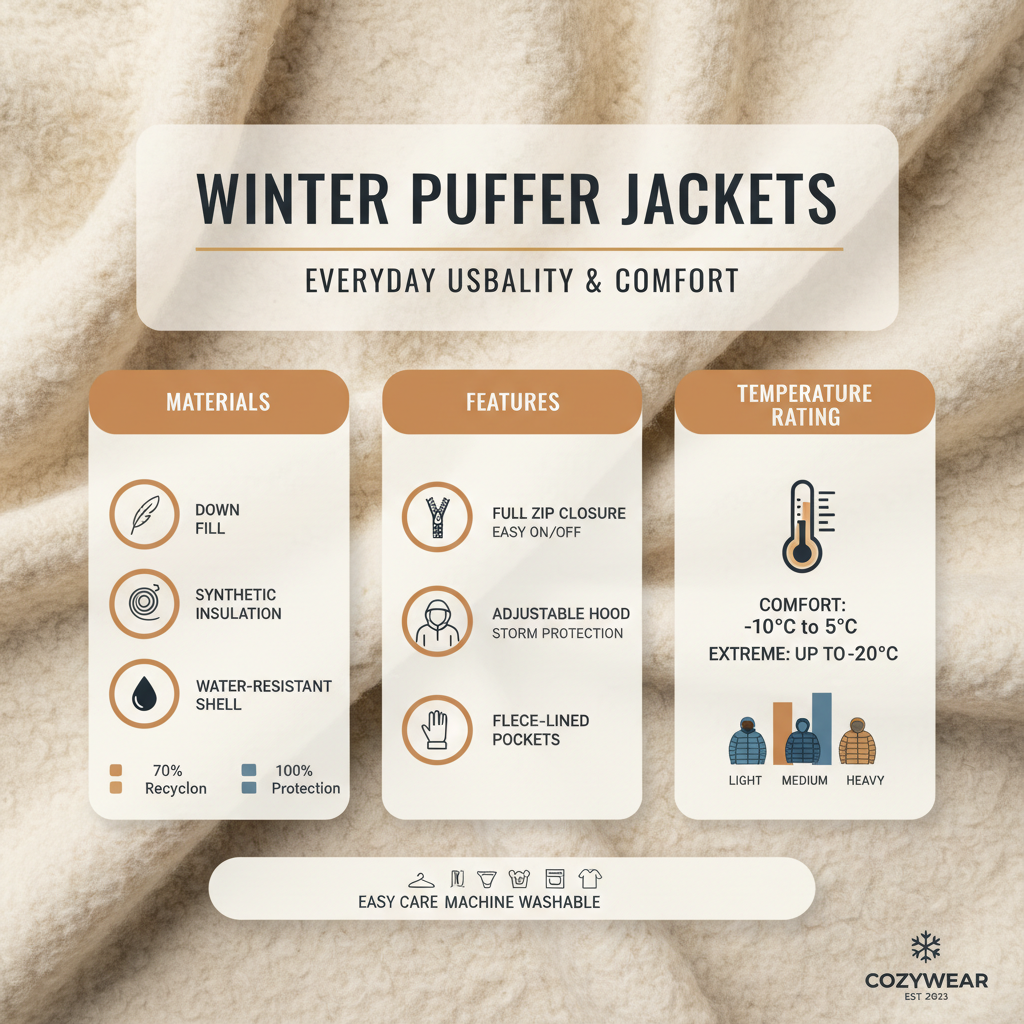
To ensure your mens winter puffer jacket lasts for years to come, proper care and maintenance are essential. Always follow the manufacturer's instructions on the care label. Down jackets typically require professional cleaning to avoid damaging the delicate feathers. Synthetic jackets can often be machine washed, but use a gentle cycle and mild detergent. Avoid using fabric softeners, as they can reduce the insulation's effectiveness. Store your jacket in a cool, dry place, and avoid compressing it for extended periods.
Investing in a high-quality mens winter puffer jacket is a smart choice for staying warm, comfortable, and stylish throughout the colder months. By considering the factors discussed in this article – insulation type, key features, fit, and care – you can find the perfect jacket to meet your specific needs and enjoy countless winter adventures. Don't settle for anything less than the best when it comes to protecting yourself from the elements.
The temperature range depends on the jacket's insulation and construction. Generally, a lightweight puffer jacket with synthetic insulation is suitable for temperatures between 40-60°F (4-16°C). A heavier puffer jacket with down insulation can handle temperatures as low as -20°F (-29°C) or even lower. It's important to consider layering clothing underneath the jacket to adjust to changing conditions. Always check the jacket's product description for its recommended temperature rating.
Down puffer jackets require special care. It's generally recommended to have them professionally cleaned to avoid damaging the down feathers. If you choose to wash it at home, use a down-specific detergent and follow the manufacturer's instructions carefully. Tumble dry on low heat with dryer balls to help restore the down's fluffiness. Avoid using high heat, as it can damage the down.
Most puffer jackets are water-resistant, meaning they can repel light rain and snow. However, they are not typically fully waterproof unless they have a waterproof membrane. If you need a fully waterproof jacket, look for one that specifically states it has a waterproof rating. A DWR (durable water repellent) finish is common and adds a layer of protection, but it will eventually need to be reapplied.
Store your puffer jacket in a cool, dry place away from direct sunlight. Avoid compressing it for extended periods, as this can damage the insulation. Ideally, hang it on a wide hanger or store it loosely in a breathable storage bag. Proper storage will help maintain the jacket's loft and ensure it's ready to go when winter rolls around again.
If you are interested in our products, you can choose to leave your information here, and we will be in touch with you shortly.