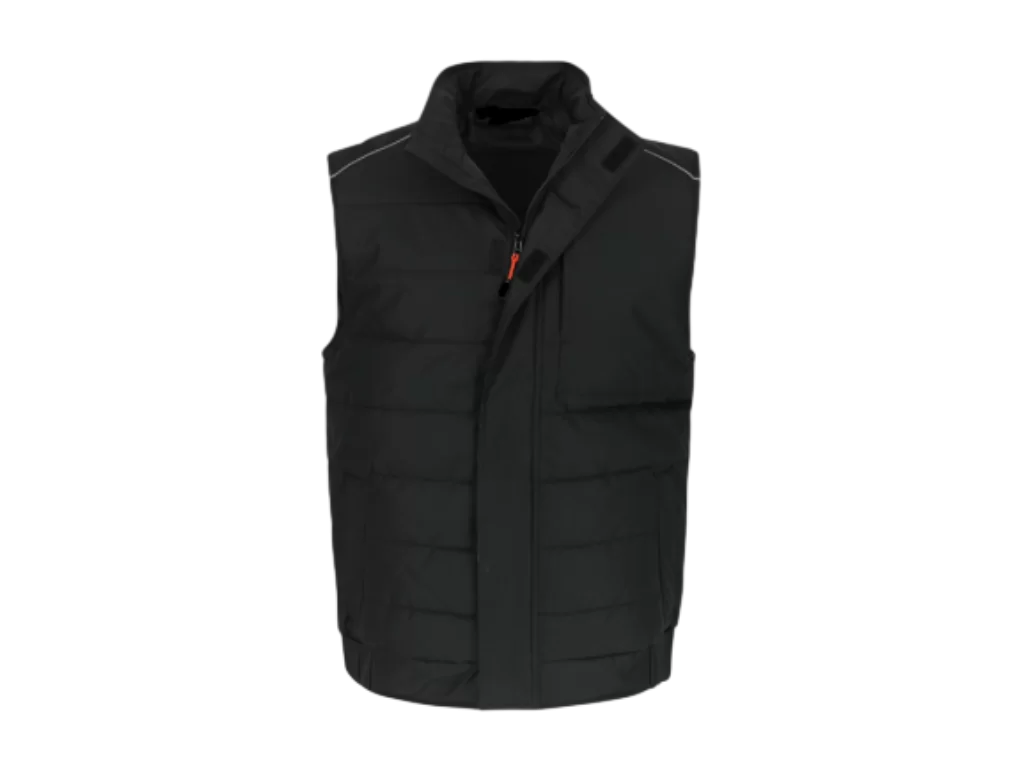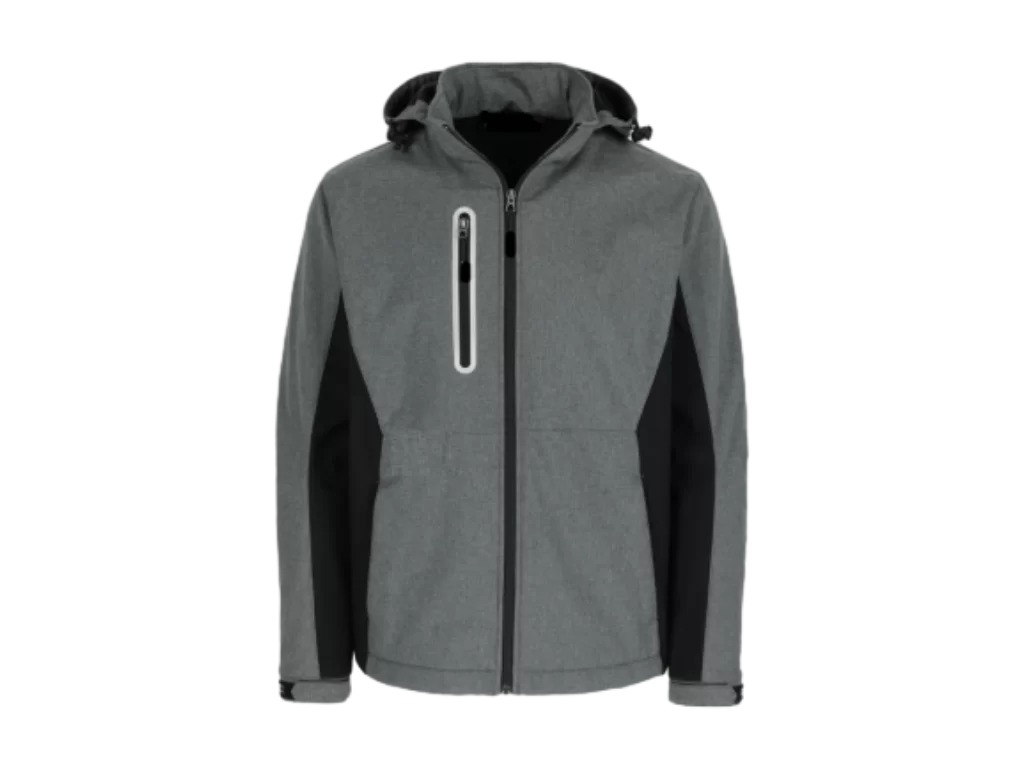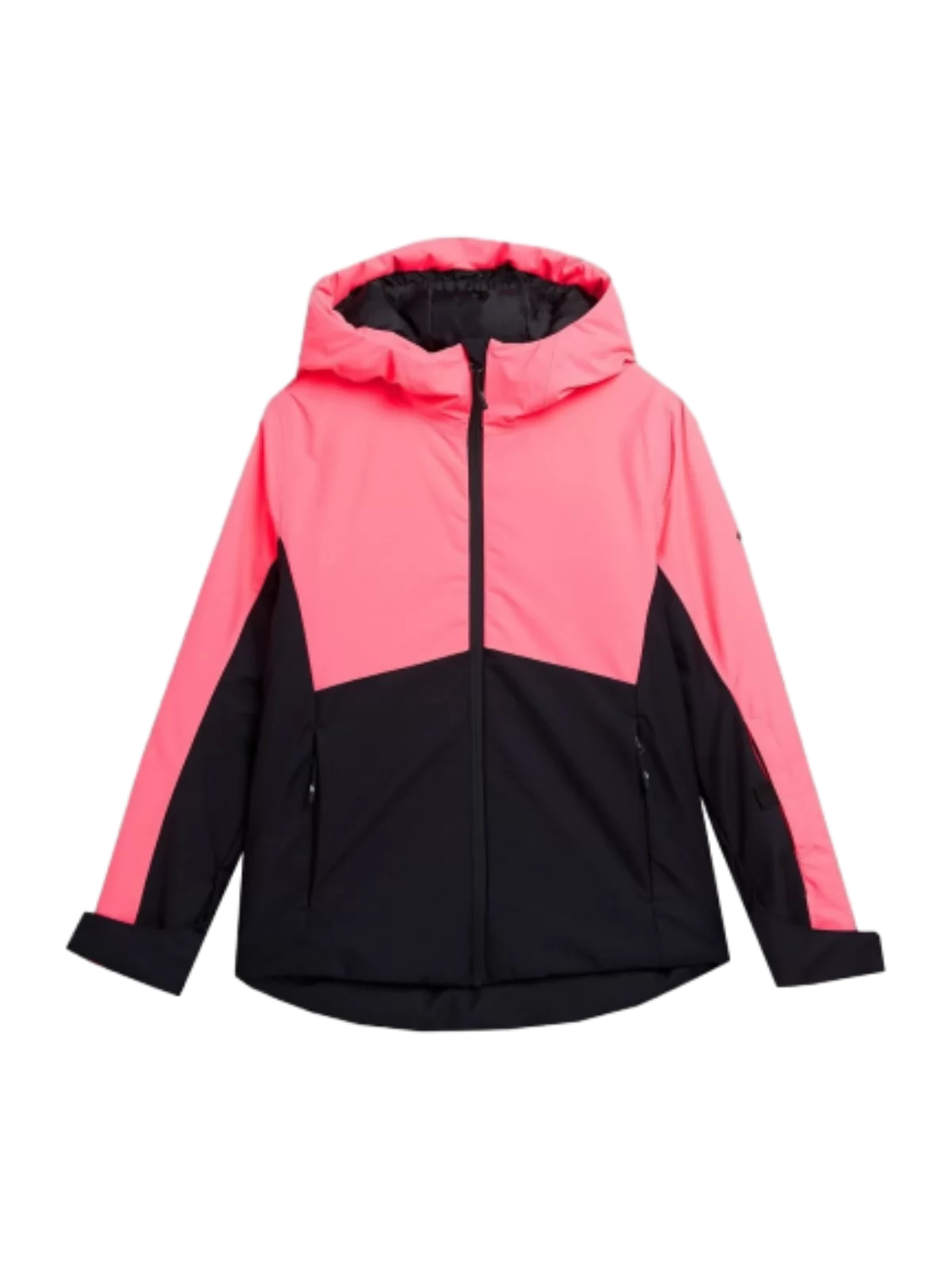
Having spent years orbiting around the industrial equipment sector, I’ve seen my fair share of durable outerwear – although, to be frank, ladies puffer jackets have a special place in my winter wardrobe. What’s odd is how this seemingly simple piece of apparel packs a punch in both functionality and fashion. In real terms, this isn’t just about staying warm—it’s about moving comfortably, looking sharp, and trusting that your jacket holds up against bitter winds and biting cold.
At industry expos or even on site, I’ve noticed more manufacturers now put serious thought into both materials and design for puffer jackets designed especially for women. It’s not just the fill power anymore—though that’s key—it’s how the jackets fit, how they breathe, and, frankly, how well they resist weather extremes.
The current puffer jacket sale season offers a variety of styles: from lightweight down to synthetic alternatives that perform equally well in damp conditions. Many manufacturers now use high-quality nylon or polyester with durable water repellent (DWR) finishes. And if you ask me, the blend of warmth-to-weight ratio on these jackets is something that only comes from rigorous material testing and real-world feedback—which some of the big vendors proudly highlight.
In fact, crafting the perfect ladies’ puffer jacket involves a little bit of art combined with science. For example, the filling—either natural goose or duck down, or synthetic fibers—is rated by fill power, usually ranging from about 550 to 900. Higher fill power means more loft and better insulation per ounce. I’ve personally noticed that jackets around 700+ fill power strike the best balance between warmth and packability, especially when working long hours outdoors.
Here’s a handy run-down of typical specifications that I often weigh before recommending a jacket for tough, everyday use:
| Specification | Typical Range | Why It Matters |
|---|---|---|
| Fill Power | 550–900 | Higher means warmer and lighter jackets |
| Shell Material | Nylon / Polyester with DWR finish | Water-resistant, windproof, durable |
| Loft Thickness | 3–7 cm | Determines insulation level and bulk |
| Weight (Men’s Medium equivalent) | 250–500 grams | Lighter jackets are easier to move in |
| Insulation Type | Down / Synthetic | Down is warmer, synthetic better when wet |
Now, if you consider vendors, it’s clear that not all brands play in the same league. I’ve observed some favoring high-end goose down with ultra-light fabrics, while others lean on affordability and synthetic fills for broader appeal. So I put together a quick comparison of popular vendors you might encounter during this sale season:
| Brand | Fill Type | Price Range | Strengths |
|---|---|---|---|
| AlpineAir | Goose Down (800+) | $200–$350 | Lightweight, packable, premium warmth |
| PolarRange | Synthetic Insulation | $100–$180 | Water-resistant, budget-friendly |
| SummitWear | Duck Down (700+) | $180–$270 | Balanced warmth, durable shell |
| EcoLayer | Recycled Synthetic | $130–$200 | Sustainable fabrics, good for wet climates |
Just the other week, a colleague’s wife told me how the last-minute purchase of a ladies puffer jacket saved her from a chilly morning on a nature hike. She mentioned the jacket was surprisingly light but kept her snug all day—kind of the ideal balance we all hope for, isn’t it?
So, when you’re weighing options during a sale, remember: fit and comfort come first, with your choice of fill often defining your satisfaction. Oddly enough, many engineers I've met prefer jackets with synthetic fill for field work—durability and moisture resistance wins in these cases, even if the jacket is slightly heavier.
Ultimately, it feels like the ladies puffer jacket market is maturing nicely, factoring in nuanced user needs. Whether you’re braving a winter morning on industrial sites, or simply strolling the city on a crisp afternoon, the right jacket makes all the difference. And with this sale period, it’s a great time to snag quality at a fair price.
For the record, I’m somewhat partial to shells with a matte finish—less shiny, more subtle, but that’s just personal taste. What really counts, though, is finding one that keeps the cold at bay without sacrificing mobility.
Hope this little overview helps next time you browse for your winter layering. For deeper dives into specs or vendor lines, plenty of resources exist, but I suppose it all boils down to knowing your own comfort and use case.
Keep warm, stay flexible, and happy jacket hunting!
References:
If you are interested in our products, you can choose to leave your information here, and we will be in touch with you shortly.