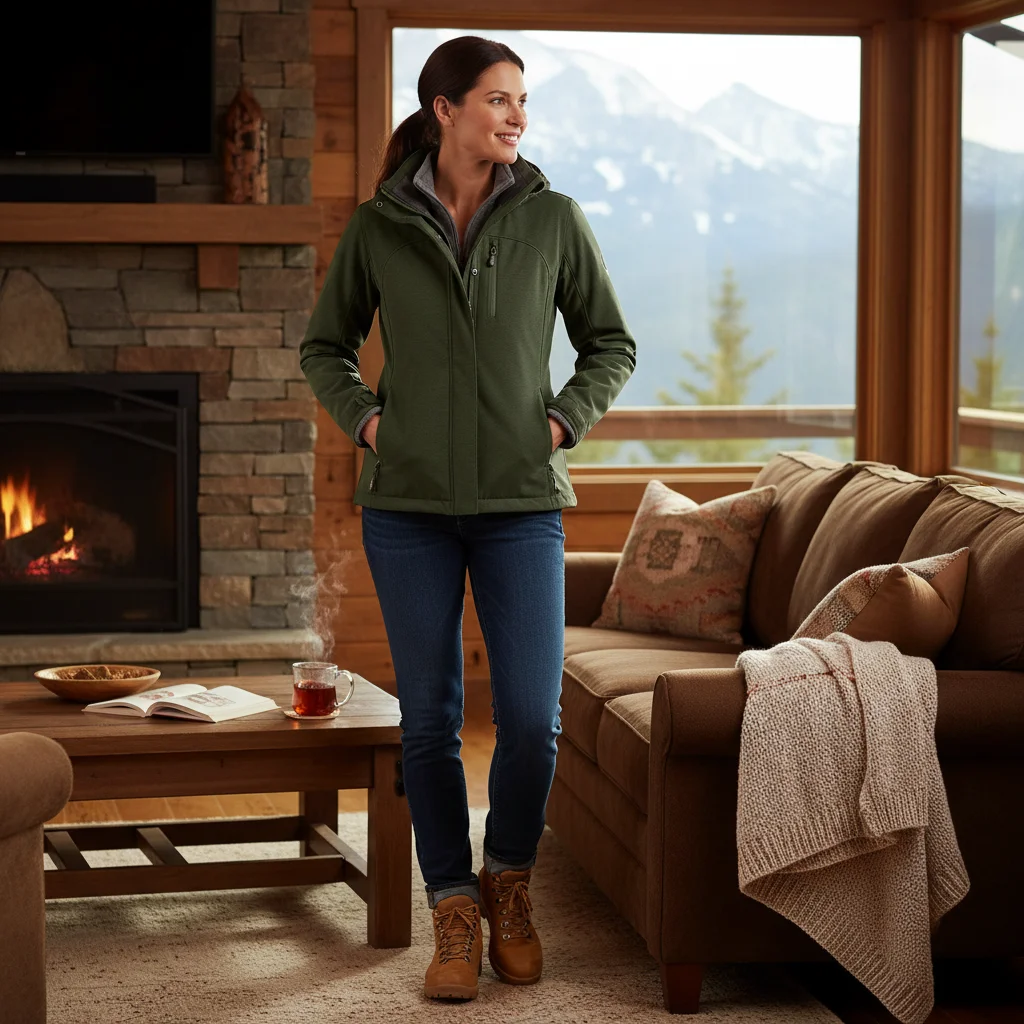
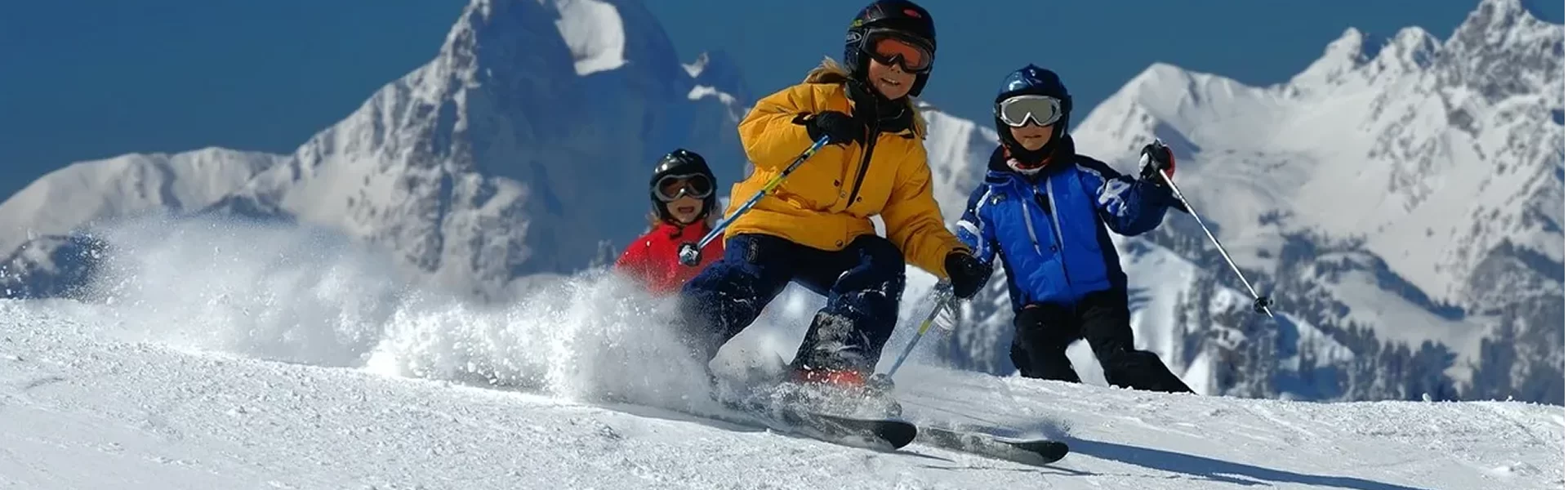
Finding the right balance between thermal insulation and physical mobility is the primary challenge for any winter athlete or outdoor enthusiast. When browsing a winter outdoor gear sale, the focus often shifts to price, but the true value lies in the textile engineering that prevents hypothermia without restricting movement.
Modern outerwear has transitioned from bulky, static layers to dynamic systems. The integration of 4-way stretch fabrics and Durable Water Repellent (DWR) finishes allows a single garment to perform across varied intensities, from low-energy commuting to high-energy alpine climbing.
For procurement managers and brand owners, understanding the technical trade-offs between breathability (measured in mvp) and waterproof ratings (measured in mm) is essential to delivering gear that meets the rigorous demands of the North American and European winter markets.

The Technical Evolution of Winter Performance Outerwear

Winter gear has evolved from simple wool and heavy canvas to complex multi-layered synthetic membranes. The primary goal has shifted from mere heat retention to "climate control," where the garment actively manages the micro-climate between the wearer's skin and the external environment.
This evolution is most evident in the rise of softshell technology. Unlike hardshells, which provide total waterproofing but often trap sweat, softshells prioritize a blend of wind resistance, moisture vapor transmission, and elasticity. This makes them the ideal mid-to-outer layer for dynamic activities.
In the current manufacturing landscape, the focus is now on "Engineered Flexibility." By utilizing blends such as 94% Polyester and 6% Elastane, manufacturers can produce garments that maintain their structural integrity while allowing a full range of motion—a critical requirement for professional-grade skiing and hiking wear.
Critical Engineering Factors for Softshell Versatility
The performance of a winter jacket is defined by its ability to handle "unpredictable environments." A DWR (Durable Water Repellent) finish is not just an add-on; it is a functional necessity that prevents the outer fabric from saturating, which would otherwise kill the garment's breathability.
Beyond water repellency, the internal architecture must facilitate airflow. A breathability rating of 500 mvp ensures that moisture vapor generated during exertion can escape, preventing the "chill effect" that occurs when sweat cools down against the body during periods of rest.
Furthermore, the integration of storm collars and zippered security pockets transforms a piece of clothing into a piece of equipment. These details protect the core temperature and ensure that essential gear remains secure during rapid descents or urban commutes.
Application Scenarios for High-Performance Winter Gear
Different outdoor activities demand different technical specifications. For instance, alpine skiing requires a higher waterproof rating and reinforced padding in high-impact areas, whereas urban exploration prioritizes a sleek, athletic fit and moderate wind resistance.
In trekking and climbing scenarios, the "Dynamic Flexibility" of 4-way stretch material becomes the deciding factor. When a climber reaches for a hold, a standard jacket may pull at the shoulders; a high-performance softshell expands both crosswise and lengthwise to avoid this restriction.
For corporate or promotional outdoor wear, the focus shifts to OEM customization. The ability to align specific color palettes and logo placements with a brand's DNA, while maintaining a professional 5000mm waterproof standard, allows companies to provide gear that is both a marketing tool and a functional asset.
Evaluating Breathability and Waterproofing Benchmarks
Comparing standard winter jackets with engineered softshells reveals a significant gap in performance metrics. Most generic jackets offer a static fit with limited stretch, which often leads to overheating during activity and subsequent cooling during downtime.
The following data illustrates the comparative advantage of advanced softshell construction across five key performance dimensions: Flexibility, Water Resistance, Breathability, Customization, and Athletic Fit.
winter outdoor gear sale Performance Metrics
As shown, the optimized 500 mvp breathability and 4-way stretch significantly outperform standard textile constructions. This delta is what allows a wearer to maintain a stable core temperature without needing to constantly add or remove layers.
Strategic Procurement Considerations for OEM Apparel
Procuring high-volume winter outerwear requires a rigorous quality control process. For an MOQ of 1000pcs per color, the critical path begins with the Pre-Production (PP) sample confirmation, which ensures that the custom colors and logo placements meet brand guidelines.
Lead times for professional outdoor gear typically range from 60 to 120 days. This window is necessary for the precision weaving of 4-way stretch fabrics and the application of DWR finishes, which must be cured correctly to ensure longevity.
Payment terms such as L/C at sight or T/T at sight provide the necessary financial security for large-scale international trade, especially when coordinating between BSCI-certified factories and overseas distributors.
Future Material Trends in Sustainable Winter Gear
The industry is moving toward PFC-free DWR finishes to reduce environmental impact without sacrificing performance. We are likely to see a shift where "sustainability" becomes a primary technical specification alongside waterproof ratings.
Integration of smart textiles—such as heat-conductive fibers or adaptive membranes that open and close based on temperature—could redefine the softshell category. These innovations may allow for even higher breathability ratings while maintaining a 5000mm+ waterproof barrier.
Furthermore, the use of recycled polyester in 4-way stretch fabrics is expected to increase, as brands face pressure to align their supply chains with global ESG (Environmental, Social, and Governance) standards.
Selection Guide for Professional Outdoor Apparel Categories
Choosing the right product category depends entirely on the intended activity and the specific climate of the target market. A fleece jacket is insufficient for rain, while a heavy padding jacket is too restrictive for high-energy hiking.
The following table provides a decision matrix for selecting the appropriate winter gear based on environmental conditions and user needs.
| Product Category | Primary Use Case | Key Technical Feature | Climate Suitability |
|---|---|---|---|
| Softshell Jacket | Dynamic Hiking/Climbing | 4-Way Stretch & DWR | Variable / Wind-Rain |
| Ski Wear | Alpine Sports | High Waterproofing/Padding | Heavy Snow / Sub-Zero |
| Fleece Jacket | Mid-Layer Insulation | Thermal Trapping | Dry Cold / Layering |
| Padding Jacket | Static Cold Protection | High Loft Insulation | Extreme Cold / Urban |
| Junior Jacket | Youth Outdoor Activity | Durable & Flexible Fit | General Winter |
| Workwear Outerwear | Industrial Outdoor Work | Abrasion Resistance | Harsh Professional Env. |
By aligning the product category with the actual operational environment, procurement officers can maximize the ROI of their gear investment and ensure end-user safety.
Frequently Asked Questions
Conclusion
Investing in high-performance winter gear is a decision based on technical specifications rather than aesthetic appeal. The synergy of a 5000mm waterproof rating, 500 mvp breathability, and 4-way stretch fabric creates a garment that supports the wearer's physiology during the most demanding outdoor challenges.
For brands looking to elevate their outerwear offerings, focusing on OEM precision and certified production networks is the only way to ensure consistent quality. Readers evaluating these technical standards can review the relevant product and company information available through www.outdoor-apparels.com.